"Leno's Law" eases emissions restrictions for classic cars in California, but strict criteria mean many vehicles still won't qualify until 2028.
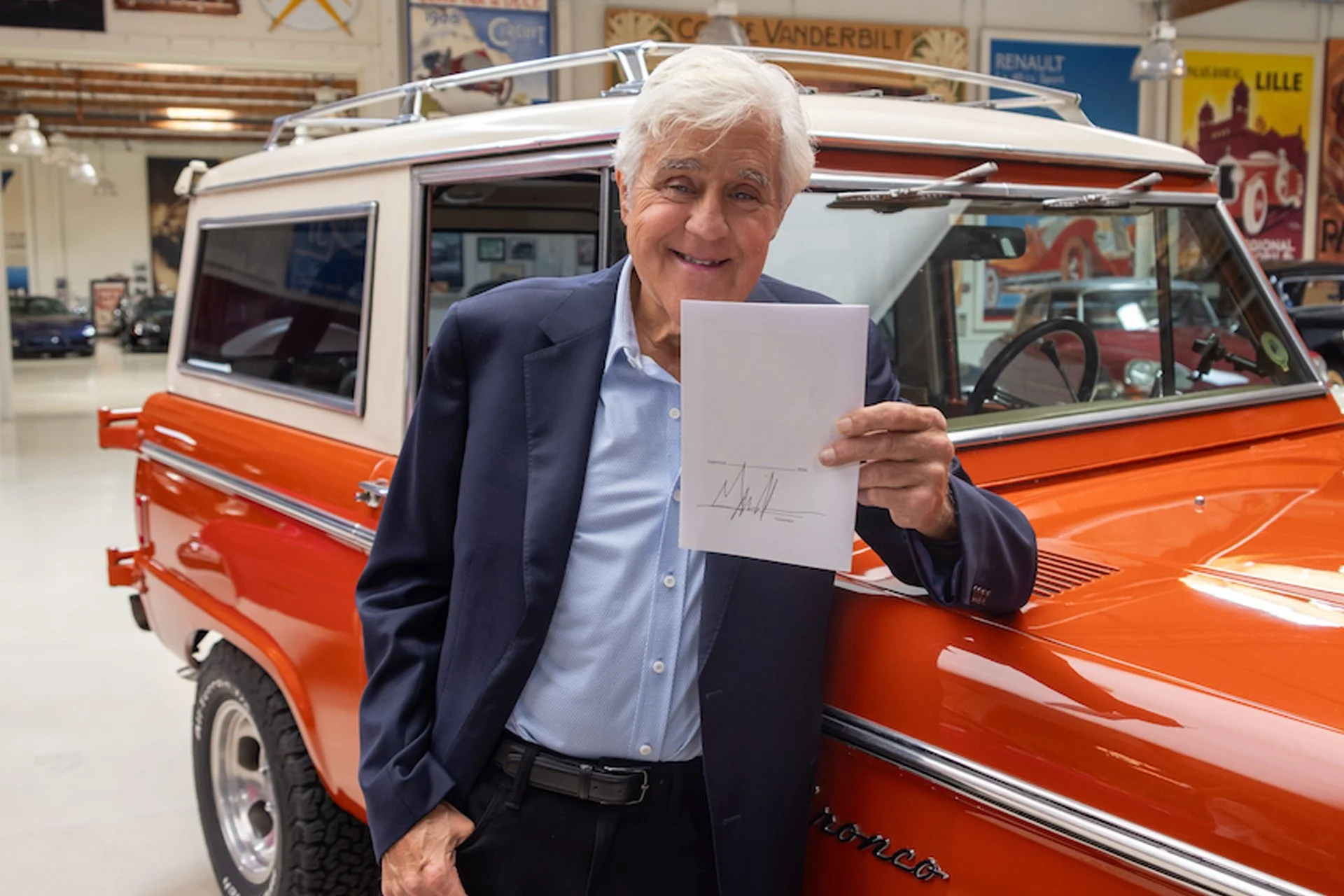
California's recently passed Senate Bill 1392, commonly known as “Leno’s Law,” is set to amend emissions testing regulations for classic cars, a move that has generated considerable interest among car enthusiasts. Signed by Governor Gavin Newsom, the law aims to provide select classic car owners with a smog-check exemption, though implementation won't commence until January 1, 2028.
Essentially, Leno’s Law carves out a “narrow smog-check exemption for qualifying collector cars manufactured from 1976 to 1985.” However, it’s critical to note that simply owning an old vehicle won’t automatically grant an exemption; a specific set of criteria is in place to define what qualifies as a “collector car.”
Defining Collector Cars
Under the new regulations, to qualify as a collector car, a vehicle must:
- Be at least 35 years old.
- Be used predominantly for shows, parades, charitable events, or historical exhibitions, rather than as a primary means of transportation.
- Either be insured as a collector vehicle or driven fewer than 1,000 miles per year.
- Comply with state emissions standards for its class and model year, and pass an inspection for fuel cap functionality and potential fuel leaks.
Regulatory Nuances
The inclusion of an insurance or mileage requirement expands the appeal for collectors who may not have classic vehicle insurance. This represents a departure from prior drafts of the law, which mandated such insurance for exemption eligibility. Yet, it’s essential to recognize that turning back the clock on emissions regulations comes with considerable restrictions.
Notably, while being 35 years old qualifies your vehicle in part, it must also adhere to a phased model-year cutoff that affects eligibility. This rollout is scheduled as follows:
- January 1, 2028: Collector vehicles manufactured before the 1981 model year (1980 and older)
- January 1, 2029: Before the 1982 model year
- January 1, 2030: Before the 1983 model year
- January 1, 2031: Before the 1984 model year
- January 1, 2032: Before the 1985 model year
- January 1, 2033: Before the 1986 model year, where the exemptions will halt
It's crucial to grasp that the phrases “before the 1981 model year” means only vehicles from 1980 and older will qualify under the exemption. This means that many 1980s vehicles will still miss the mark once the rollouts are complete in 2033.
Community Impact
Mike Frankovich, a prominent advocate and member of the "Californians for Classic Car Smog Exemptions" Facebook group, has reflected on the lengthy process leading to this law's passage. He mentioned that he had been lobbying for nearly eight years, navigating through prior legislative efforts that often fell flat. Current Senate leaders Dave Cortese and Shannon Grove played pivotal roles in advancing the bill, rekindling hope for car enthusiasts who feared no progress.
In light of this, the reactions have been mixed. While some may find solace in the fact that the law will keep select vintage cars registered legally, the stringent criteria—including the low mileage limit—may dampen hopes for weekend road trips in these classic rides. Moreover, even if insurance isn't strictly required for those who drive less than 1,000 miles annually, procuring affordable classic car insurance remains a hurdle. Many companies, such as Hagerty and Grundy, impose strict conditions on where the vehicles can be garaged and how they can be used.
Future Outlook
Ultimately, while Leno’s Law presents a slight reprieve for owners of newer classic cars in California, it's a minor adjustment rather than sweeping relief. The best prospect for those wanting to enjoy classic cars without intrusive regulations is still either to purchase vehicles manufactured in 1975 or earlier or invest in the expertise of mechanics adept at maintaining vintage emission systems—something that often falls to the owners themselves.
As Leno’s Law approaches its implementation in the coming years, classic car aficionados will need to remain vigilant and prepared, ensuring their prized vehicles meet the requisite standards before they can hit the roads without the looming threat of emissions scrutiny.

Discussion
Sign in to join the discussion.