Honda is refining its quality control by integrating checks during development, aiming to boost reliability amid rising industry challenges.
Honda’s Strategic Shift in Response to Industry Challenges
Reliability woes are becoming increasingly pressing for automotive manufacturers, particularly as vehicles integrate more complex technologies. Even stalwarts like Toyota, long celebrated for their dependability, have stumbled. For instance,
Toyota's current struggles with its new V6 engines paint a troubling picture for the whole industry, and you can bet it's a topic of concern for Honda executives.
Leaders at Honda, such as Executive Vice President Noriya Kaihara and American Honda CEO Eiji Fujimura, recognize that addressing quality control is not just a precaution; it’s a critical necessity. If you’re immersed in the automotive space, you’ll understand that any significant reliability issue can reshape consumer trust in a brand.
Over the past several years, Honda has faced its own share of recall issues, from significant head gasket failures to minor complaints about electrical systems and safety features. While these incidents have raised eyebrows, they pale next to Toyota’s looming crisis. Honda aims to sidestep the pitfalls that seem to plague its competitor by proactively refining its quality control mechanisms.
In a recent episode of
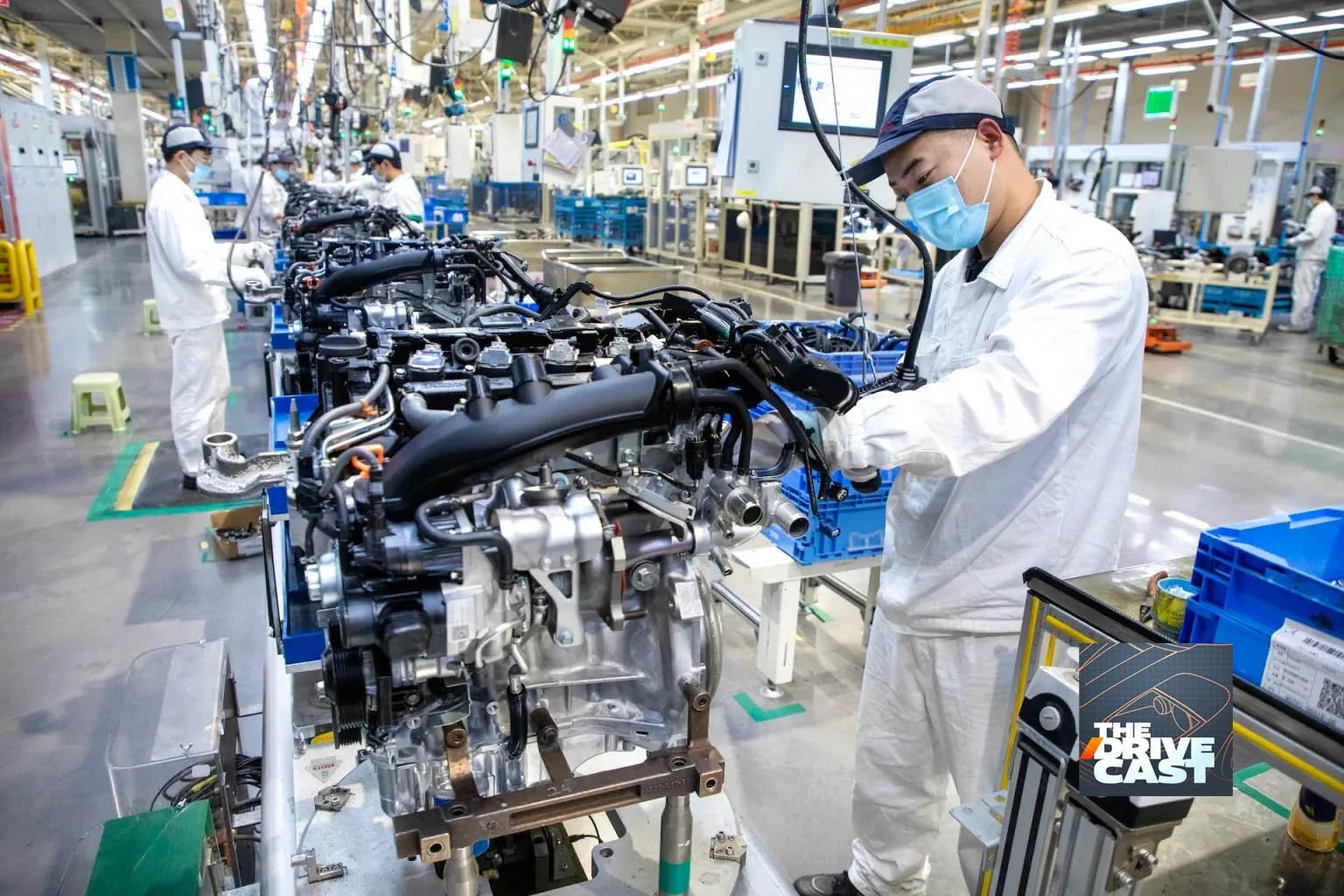
The Drivecast, listeners are given an insider look into these enhancements as Honda's top brass shed light on their commitment to ensuring that engines don’t simply stop working on the road. It’s about more than just reactive measures; they’re focused on taking swift action when something goes awry.
One key takeaway from discussions with Honda executives is their realization that the traditional approach to quality control—where testing comes after production—is no longer sufficient. They are now integrating quality checks into the development phase itself. This agile methodology allows Honda to catch potential problems much earlier, reducing the risk of catastrophic failures before products hit the market.
Kaihara, who once led global quality control for Honda, spoke with depth about the evolution of their processes to encompass not only mechanical aspects but also the increasingly software-driven technologies redefining vehicles today. As they move forward, automakers must balance rapid innovation with reliability—something Honda is keenly aware of, especially in light of Toyota’s recent turmoil.
It’s interesting to note that during conversations, four words were frequently identified as pivotal: China, manufacturing, software, and notably, India. These regions are increasingly becoming manufacturing superpowers. Honda is sending teams to collaborate with Chinese firms to absorb cutting-edge manufacturing techniques, reflecting a shift in industry dynamics that should make any competitor sit up and take notice.
Software, too, plays a central role in the automotive future. It's not just about the physical components but also the algorithms that drive everything from safety systems to entertainment. A software hiccup can disrupt more than just your drive; it can lead to major recalls, as seen with several competitors. The key challenge for Honda will be navigating this software-centric world while maintaining the reliability they’re known for.
In a global economy that rewards speed, it begs the question: how can Honda innovate quickly while still ensuring reliability doesn’t take a backseat? Fujimura articulated this tension clearly when he stated that Honda can't compete purely on speed. Instead, the company aims to balance traditional values with the demand for agility in product development.
This delicate dance reveals that while automakers like Honda recognize the need for speed in the modern market, they are also dedicated to learning from their rivals’ missteps—particularly those of Toyota. As we watch Honda recalibrate its strategies, one thing is clear: agility and reliability must go hand-in-hand if they want to avoid mirroring the reliability crises that have plagued others.
Insights on Engine Strategies and Brand Integrity
The ongoing engine strategy dialogue between Honda and its competitors exposes intriguing choices in the automotive industry. By opting for turbochargers in smaller engines while leaving larger engines naturally aspirated, Honda walks a tightrope that demands close observation. This decision begs the question: what’s behind this divergent approach?
What stands out is the potential long-term performance of Honda’s two-motor hybrid systems, as noted during our conversation. The real test will come as these vehicles accumulate mileage—specifically, those that cross the 150,000 to 200,000 mile mark. Will they sustain their efficiency and reliability? Time will offer clarity, and it’s this uncertainty that suggests the road ahead could be rocky for those relying on these early engines.
Meanwhile, Toyota’s strategy seems more aggressive with its hybrids, introducing the Hybrid Max badge that emphasizes power over fuel efficiency. This shift shows their confidence in turbocharged engines, aiming to compete directly with higher displacement options. For customers, this means more choices, but also raises questions about the long-term durability of these engines versus Honda's established reliability.
Recent history reflects badly on Toyota. The once unshakeable reputation of the brand is experiencing cracks, raising alarms about quality control. In contrast, Honda acknowledges the inevitability of mistakes in manufacturing. Their commitment to quick corrective action demonstrates an understanding of the broader implications on brand perception. When defects occur, how you respond can make all the difference. As someone in this industry, you'll find that Honda's philosophy—prioritizing both quality and accountability—is wise and should not be overlooked.
Notably, the emotional investment Honda workers have in their products indicates a cultural pride that permeates the company. Despite past crises, such as the Takata airbag recall, Honda shows resilience. Understanding how Honda addresses these challenges offers insight into the brand's longevity and commitment to customer trust.
The conversation wraps with a valuable reminder from one of our pro pundits: whether it's quick responses to setbacks or the proactive design of their powertrains, automotive success hinges on swift adaptability. As we look towards the future, it’s this ability to pivot and improve that will define the contenders in this competitive market. The lessons learned here are not merely academic; they’re essential for any manufacturer keen on maintaining not just market share, but consumer loyalty.
For those of you observing these developments, keep an eye on how these strategies unfold, particularly with high-mileage vehicles. They’ll reveal a lot about each company’s ability to meet consumer expectations in a rapidly shifting landscape.
For further insights, check out the full article on [The Drive](https://www.thedrive.com/news/toyotas-engines-keep-failing-honda-told-us-how-its-avoiding-the-same-fate).
Discussion
Sign in to join the discussion.