Tesla showcases the Cybercab in China, clarifying it won't be sold or used for driverless services, amid active local competitors in the space.
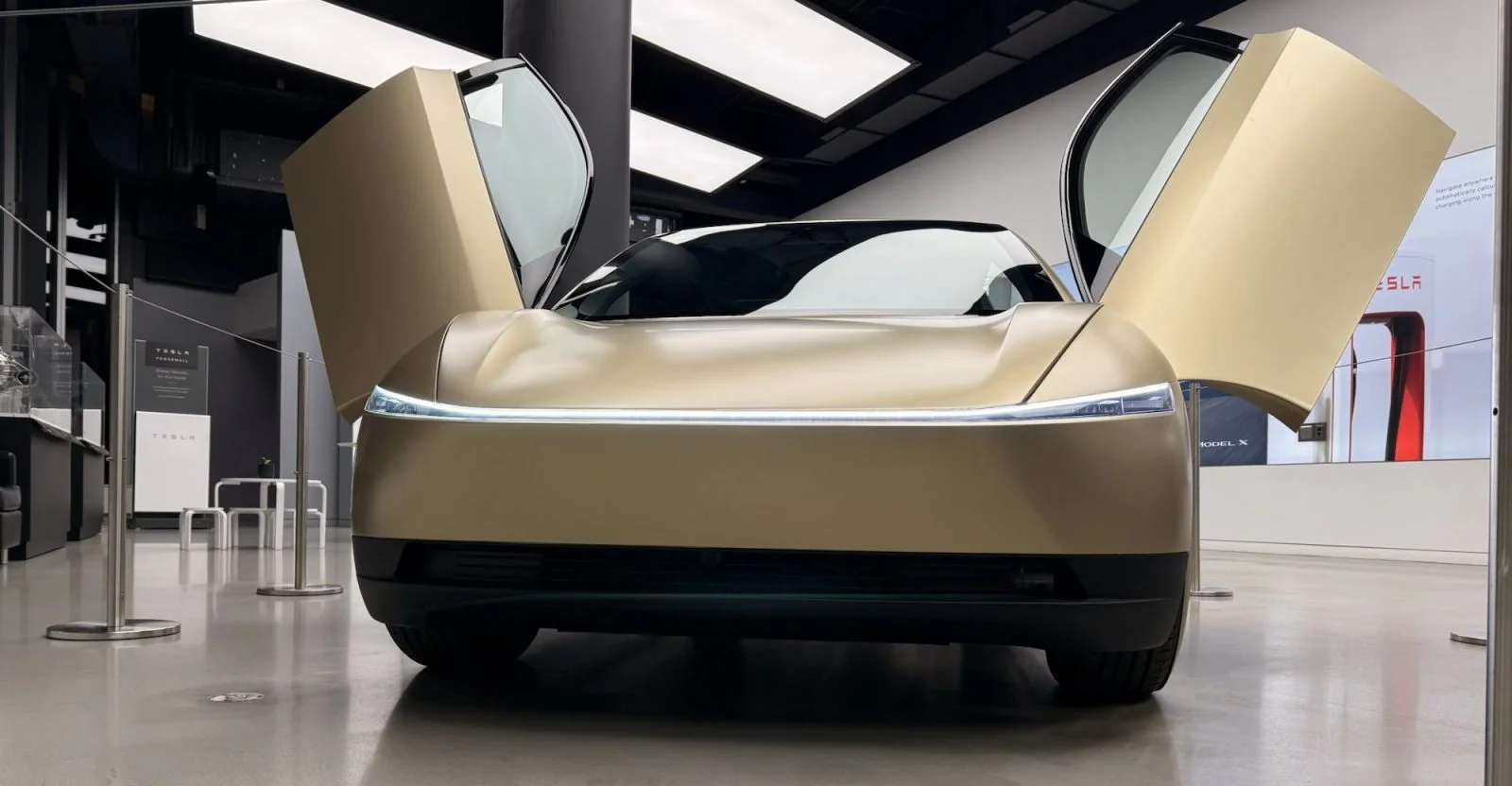
Tesla is currently featuring its Cybercab in public displays across China, yet it's important to underline that this vehicle isn't up for sale or inclining towards a driverless ride-hailing service anytime soon. Tesla China made it clear that the showcase, which opened on September 17, is strictly for observation purposes—serving to highlight the design and tech concepts rather than facilitating any sales or operational ventures.
Visitors can catch a glimpse of the Cybercab at Tesla's Huamao experience store in Beijing until September 27 and at the LG1 north hall of HKRI Taikoo Hui in Shanghai until September 21. This marks the vehicle's inaugural public appearance in the country. Given that Tesla is known for its high-profile marketing tactics, a move like this isn't entirely surprising. The vehicle’s unveiling is more of a strategic marketing ploy than a precursor to imminent commercial availability.
Showcasing Design and Technology
Tesla China described the previews as merely a look, rather than a launch. The showcased Cybercab, lacking both a steering wheel and pedals, is restricted from being registered or sold to consumers in China. This means that while interested parties can admire the vehicle, they won’t be able to place an order at the store. In traditional automotive marketing, the absence of these essential driving components inevitably raises questions about the purpose of the vehicle. If you're working in this space, you understand how critical a test drive can be for consumer engagement. Yet here, admiring is all you can do.
The prospect of operating this vehicle as a robotaxi in China is even more complicated. Tesla has yet to receive authorization to deploy an unsupervised, driverless service, having only rolled out a limited and supervised version of its Full Self-Driving technology earlier this year. The challenge is compounded by China's existing regulatory framework, which is notoriously complex. Regulatory bodies in various regions have demonstrated differing levels of support or resistance to new technologies, making the path to a driverless taxi fleet uncertain and fraught with obstacles.
Implications of Market Conditions
While Tesla displays the static Cybercab, Chinese companies have already advanced to offering commercial driverless rides across various cities. Operators like Baidu’s Apollo Go, Pony.ai, and WeRide have been providing paid, no-safety-driver services, establishing China as the most dynamic market for driverless technology globally. The government has made substantial investments in the necessary infrastructure to support these initiatives, creating a competitive advantage that Tesla currently lacks.
From my perspective, the Cybercab’s presence seems less about immediate deployment and more about drawing potential customers into showrooms, possibly to upsell vehicles like the Model Y. In the United States, Tesla is finding success navigating the regulatory landscape, especially in more lenient states like Texas and Florida, where the environment is more favorable for experimental technologies. And yet, in China, the stringent regulatory framework presents considerable hurdles for a large-scale rollout. You can’t ignore the impact of local competition; Tesla's brand power is significant but increasingly challenged by domestic players with deep ties to the local regulatory and technological ecosystem.
While Tesla garners attention with its Cybercab, the reality is that competing entities are far ahead in the race to establish profitable, driverless ride-hailing services. The contrast between a stationary show vehicle and operational robotaxis underscores a significant gap in Tesla's current strategy against its regional competitors. Traditional automakers and tech companies are aggressively vying for dominance in this space, raising stakes to new levels.
Future Outlook: Challenges Ahead
This ongoing showcase serves as a reminder of Tesla's ambitious plans but also highlights the challenges it faces in a rapidly advancing Chinese market. The focus seems to be on generating interest rather than immediate implementation. Yet, a vital question lingers—how far will the attention from such displays take Tesla in a market that’s becoming increasingly competitive? The gap between showcasing innovation and actual deployment grows larger with each passing day. Whether they can bridge this gap will be a defining factor in their future success in China.
The proactive stance taken by Chinese competitors adds pressure. Tesla's image as a pioneer in electric vehicles is at risk of being overshadowed by a swarm of local brands that are not only innovating but executing in real-time. The pressure is significant; failing to rapidly engage in meaningful driverless technology deployment could jeopardize its standing in a critical global market, where the timelines for innovation are ever-tightening.
As Tesla juggles its global ambitions against regional regulations, the narrative is still unfolding. By engaging consumers through marketing spectacles, the brand aims to keep interest alive while working behind the scenes on regulatory approvals and safety concerns. But remember: the clock is ticking, and the competition isn’t waiting around.
Discussion
Sign in to join the discussion.