The NHTSA demands Tesla prove the legality of its steering-free Cybercab, raising critical safety compliance concerns as the deadline looms.
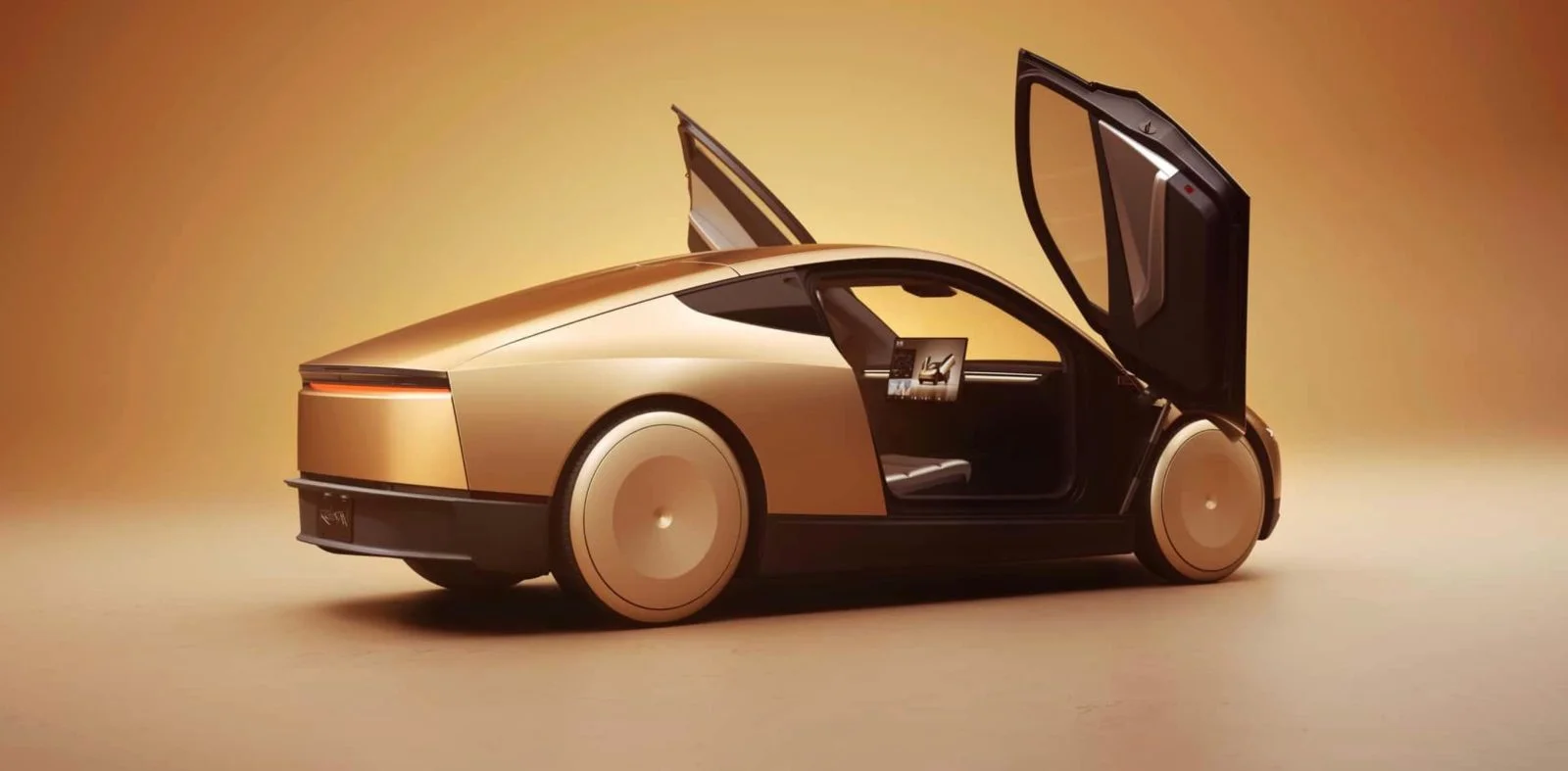
The National Highway Traffic Safety Administration (NHTSA) has placed Tesla in a tight spot, ordering the automaker to provide proof that its Cybercab can legally be sold. This formal Special Order, issued on September 10, requires Tesla to present its compliance with federal safety standards, especially pertinent given the vehicle's unique design, which notably lacks a steering wheel, pedals, or mirrors.
Tesla must respond by September 30, and non-compliance could result in penalties reaching as high as $139 million. This follows an earlier audit query launched shortly after Tesla began commercial operations of its Cybercab in Austin on September 3.
The NHTSA's Special Order comprises 21 detailed inquiries, signed by Chief Counsel Peter Simshauser, aimed directly at Tesla's legal and regulatory leadership. This escalates the situation from a simple audit inquiry to a legal requirement, indicating serious concerns regarding Tesla’s self-certification scheme for the Cybercab.
Self-Certification Challenges
In the U.S., vehicle designs are not pre-approved; manufacturers self-certify compliance with the Federal Motor Vehicle Safety Standards (FMVSS). Tesla claims the Cybercab meets these standards, but many regulations assume a human driver is present. The order leverages the law stating manufacturers cannot certify vehicles if they are aware of any false or misleading information regarding compliance.
At the heart of NHTSA’s inquiry is whether Tesla can substantiate its certification amid its drastic departure from traditional vehicle design. One request directly confronts Tesla, asking which specific safety standards it believes don’t apply to a vehicle that operates without human intervention, highlighting a clash between established regulations and emerging technologies.
Foot-Brake Regulation Complications
One particularly pointed inquiry involves FMVSS No. 135, which mandates that service brakes be operated by foot control. Given that the Cybercab lacks such a mechanism, NHTSA demands Tesla explain how it certified this aspect. Although NHTSA has suggested revising this regulation for automated vehicles, those changes have not yet been codified into law, leaving the foot-control requirement firmly in place.
Navigating Compliance Gaps
Several inquiries focus on whether the Cybercab can accommodate human operation through temporary controls, which Tesla reportedly employs. NHTSA is scanning for any indication that compliance was secured using these temporary systems, raising legal questions about the “make inoperative” clause of the Safety Act. This law prohibits manufacturers from certifying a vehicle based on features that are later stripped away before customer delivery.
As the Special Order details, the absence of standard controls like a steering wheel and pedals means the Cybercab likely breaches multiple FMVSS regulations regarding operational controls and safety indicators.
Exemption Issues
A notable aspect of the NHTSA's inquiry points to a 2022 ruling affirming that substantial changes to FMVSS would be necessary prior to allowing a fully automated vehicle to be marketed unless the manufacturer has a Part 555 exemption. Tesla does not possess such an exemption, raising serious questions about the legal status of the Cybercab.
Contrasting Approaches in the Industry
Tesla is not alone in designing vehicles devoid of traditional controls; however, it differs in its approach to achieving market readiness. In July, NHTSA granted Amazon's Zoox a temporary Part 555 exemption, permitting it to bypass specific standards, including those governing foot brakes and mirrors. Zoox meticulously navigated the regulatory landscape by applying for and securing the necessary exemptions before commencing operations.
Tesla, on the other hand, opted for self-certification and immediately began charging for rides, a tactic that starkly contrasts with the route taken by Zoox. This discrepancy could play a pivotal role in how NHTSA assesses Tesla's compliance and future actions.
The response Tesla prepares must be sworn under penalty of perjury, meaning any lies or omissions could result in significant legal repercussions, including the potential for imprisonment.
Industry Insight
For some time, concerns have circulated regarding Tesla’s practices surrounding the Cybercab, with many experts pointing out that the company may be attempting to market a vehicle that has not received the necessary regulatory approval for autonomous driving or sales. The regulatory scrutiny applies pressure on Tesla, which has previously seemed to operate on the assumption that it would not face significant enforcement actions.
This latest development reinforces the reality that Tesla may have overstepped by attempting to self-certify an entirely new class of vehicle without ensuring alignment with existing federal standards. The implications for Tesla's operational strategy and future innovations will likely be profound as it navigates this regulatory maze.
For now, Tesla's Cybercab may be restricted to limited operational areas, adhering to lower speed limits and steering clear of intersections that present additional hazards. While there’s a clear demand for regulatory updates to accommodate fully autonomous vehicles, the NHTSA’s current stance emphasizes that these changes have not yet materialized, and adherence to current standards remains crucial.
Discussion
Sign in to join the discussion.