Kia PV7 Electric Van: A Versatile Solution for U.S. Passenger and Cargo Markets
Published Sep 15, 2026Reads 569By Peter Johnson
Kia's PV7 electric van offers multiple configurations and impressive range, targeting the growing demand for sustainable transport solutions in the U.S.
Kia's Bold Move: The PV7 Electric Van's U.S. Prospects
Kia has officially introduced the PV7, an electric van that stands out in its expanding platform lineup, called the Platform Beyond Vehicle (PBV). Unveiled at the IAA Transportation event, it targets both passenger and cargo markets, indicating Kia's commitment to innovating in electric mobility. The striking aspect? The PV7 measures over 17.5 feet in length, making it significantly larger than its predecessor, the PV5—in fact, it clocks in at almost two feet longer. This increase in size may hint at ambitious design choices aimed at meeting diverse consumer needs.
What’s pivotal here is the PV7's versatile configuration. Kia isn't just sticking to one type; the company will offer multiple versions, including both Passenger and Cargo models. This strategy could position Kia favorably in a market increasingly leaning towards electric options for transportation and logistics, as companies look to boost sustainability while managing their fleets.
Equipped with an array of battery options—specifically 71.5 kWh and 96.2 kWh nickel-cobalt-manganese (NCM) packs—the PV7 promises a considerable range. The Long Range Cargo variant could potentially stretch your road activities over 285 miles (460 km) based on WLTP standards, which may very well lure businesses seeking cost-effective, sustainable solutions for their operations.
The van will initially launch with front-wheel drive as standard, delivering up to 268 horsepower and 309 lb-ft of torque. However, all-wheel drive (AWD) options are planned for the future. This combination of range, performance, and flexibility might just align perfectly with the evolving expectations of today’s fleet managers.
Charging will also be a strong point for the PV7. With an 800V architecture, it boasts the capability to move from 10% to 80% charge in approximately 25 minutes when plugged into a 350 kW DC fast charger. This kind of efficiency could be transformative for organizations that can't afford long downtimes.
The Cargo variant is tailored specifically for business use, with impressive space options—offering up to 6.1 cubic meters, and even more with a High Roof option providing 8 cubic meters. However, don’t overlook the Passenger variant, which can seat up to nine adults, or even eleven in its Korean version. This flexibility may be crucial for families or transportation services.
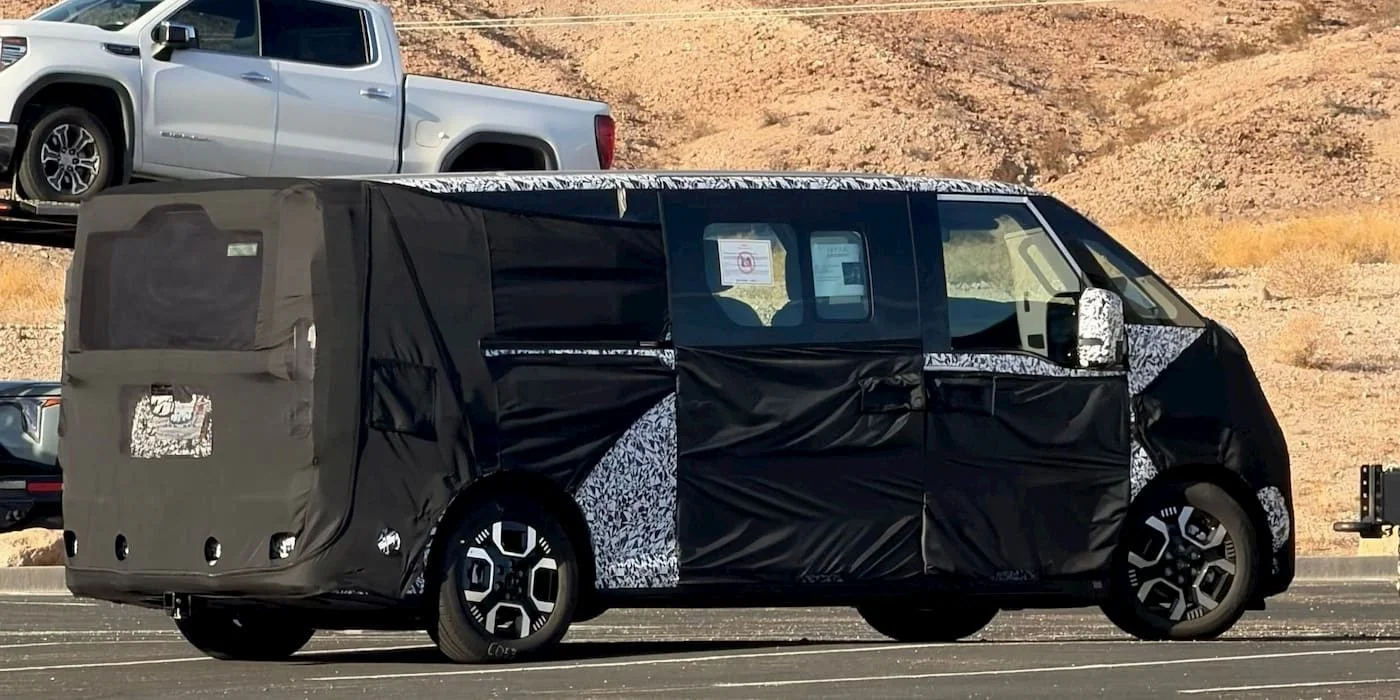
Kia's strategy appears multi-pronged, and it’s also worth mentioning that as the PV7 was launched, it was spotted testing on U.S. roads. Image reports from sources like KindelAuto reveal a prototype in disguise during hot-weather trials. This testing phase might signal Kia’s intent to gauge the U.S. market's readiness for larger electric vehicles, or simply to ensure that the PV7 is completely optimized for various conditions.
Ultimately, the big question remains: will the U.S. see all 23 variants Kia has planned? Given the momentum behind electric vehicles, it seems likely they are committed to expanding their offerings, but as always, the marketplace will ultimately dictate Kia's success in this endeavor.
Looking Ahead: Kia's Electric Future
Kia's roadmap for its upcoming electric van, the PV7, indicates an ambitious launch aimed squarely at European markets and potentially beyond. Scheduled for release in Korea and Europe in late 2027, Kia’s plans hint at a broader strategy to penetrate various markets thereafter, although specifics remain vague. This cautious and strategic rollout suggests they’re deliberately focusing on regions where demand for electric light commercial vehicles is already burgeoning.
The optimism surrounding the PV7’s U.S. debut is tempered by history. After numerous sightings of the PV5 in testing phases within the U.S., expectations grew that it might soon become available. Yet, that hasn't materialized. It makes you wonder: is there a trend of over-promising but under-delivering from Kia?
There's a chance that a larger model like the PV7 could appeal to American buyers looking for versatile electric vans. But many hurdles loom large. For starters, the van's production is centralized in South Korea, meaning it would be subjected to punitive import tariffs—something the Trump Administration instituted that could significantly inflate the market price. This policy environment raises critical questions about the feasibility of Kia's ambitions in the U.S. market.
Kia CEO Ho Sung Song’s choice to unveil the PV7 in Hanover speaks volumes. This isn’t just a random venue; it positions the van in the heart of Europe’s light commercial industry. The PV5 remains a compelling option for many, but as a bigger sibling, the PV7 caters to a slightly different segment that is still emerging.
So, what does this all mean for you if you're invested in the electric vehicle space? The narrative around these models, particularly in the U.S., could shift dramatically based on government policies and market readiness. As it stands, Kia's gamble to establish a foothold in Europe and hold back in the U.S. raises serious questions about their long-term strategy, leaving room for competitors to capitalize in a market that is becoming increasingly crowded. Keep an eye on how Kia navigates this tightrope in the coming years.

Discussion
Sign in to join the discussion.