Brooklyn's it’s electric will install nearly 700 EV charging points across NYC, enhancing access and convenience for electric vehicle owners.
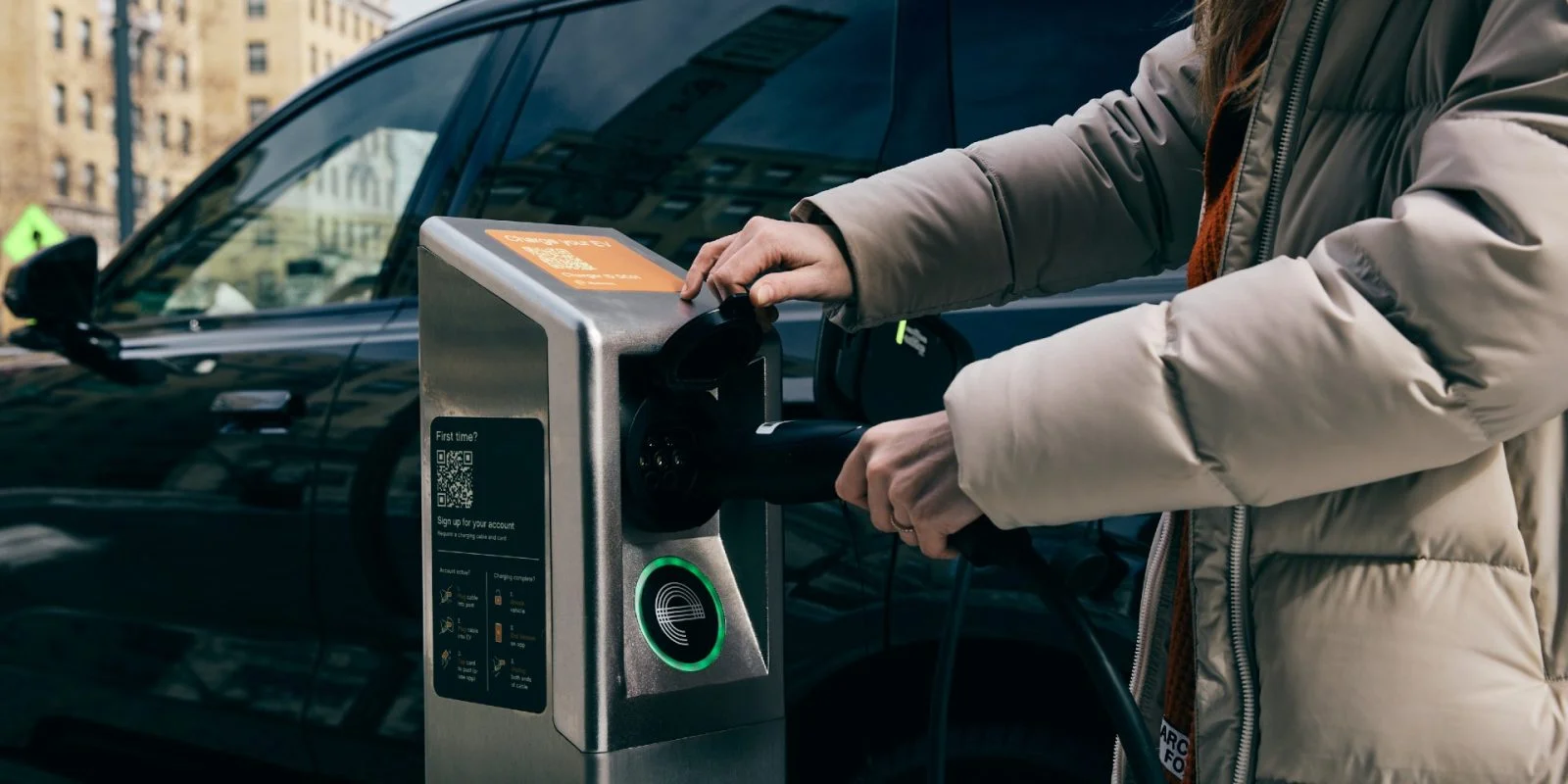
New York City is gearing up for a significant expansion of its electric vehicle (EV) infrastructure by collaborating with Brooklyn-based it’s electric. Over the next three years, the city plans to roll out nearly 700 Level 2 charging stations throughout all five boroughs, replacing the current pilot program and adding approximately 600 new charging points to the existing 88.
This initiative comes from the NYC Department of Transportation (DOT), which announced the expansion in early August, though the supplier wasn't initially disclosed. The procurement and installation processes are being coordinated with the New York Power Authority.
Every PlugNYC station will feature a minimum of two charger posts, each equipped with two plugs, ensuring at least four charging points are available at each location. The engineering and construction tasks are assigned to Maverick Corporation, while SWTCH Energy will deliver the necessary software platform.
Strategic Location Planning
These charging stations are strategically located in neighborhoods where street parking is common, particularly targeting areas with high populations of Taxi and Limousine Commission (TLC) drivers and rideshare operators. Initial deployment locations include Bronx neighborhoods like Soundview and Unionport, areas in Queens such as Rego Park and Far Rockaway, and several spots in Brooklyn, Manhattan, and Staten Island.
This focus on placement is essential, as approximately half of NYC car owners do not have access to private driveways or garages, making curbside charging a necessity. Currently, the city's existing curbside chargers are used over 70% of the time, with some reaching nearly 99% utilization during peak hours. The reality is stark: if you live in this city and don’t have a garage, you rely on these stations. And this is the part most people overlook—charging infrastructure has to match urban living conditions.
Supporting Sustainable Transportation Initiatives
The rollout of this new charging network aligns with NYC’s Green Rides initiative, aiming for all Uber and Lyft trips to be performed in zero-emission or wheelchair-accessible vehicles by 2030. Currently, the city's rideshare drivers are completing around 3 million EV trips each month, signaling a growing demand for accessible charging options. The fact that demand is already slicing through conventional expectations hints at a changing consumer mindset. More drivers are turning towards electric options, and the city needs to keep pace.
Although pricing details have yet to be determined, charging rates will be controlled by NYC DOT and will be billed by the kilowatt-hour. Users can pay via various apps or by tapping credit cards, which makes the user experience more straightforward. The pricing model is expected to remain competitive while encouraging timely movement of vehicles once charging is complete—a necessary step to prevent congested streets in busy urban areas.
Future-Proofing Urban Mobility
Where feasible, the charging sites will also include provisions for e-bike charging, bike-share stations, secure bike parking, or cargo-bike hubs, thus integrating multiple forms of sustainable transportation. This multi-modal approach recognizes that car ownership is just one element of urban travel; e-bikes and public transport must also be part of the equation if we want to optimize urban mobility.
it’s electric initiated its first curbside charging pilot at the Brooklyn Army Terminal in Sunset Park in 2023, with the aim to expand its presence across North America from its HQ at Newlab in the Brooklyn Navy Yard. The company operates in cities like Los Angeles, San Francisco, Detroit, Washington, DC, and Boston. Recently, it’s electric secured an additional funding round led by Halogen Ventures, raising its total funding to $15 million. Notably, every charger installed will be manufactured in Queens, reinforcing local industry. This is more significant than it looks; local manufacturing not only cuts down on transportation costs and carbon emissions, but also helps bolster the local economy.
Implications for Urban Residents and the Future of EV Adoption
The ambitious project promises not just to enhance electric vehicle accessibility, but also to bolster New York City’s commitment to sustainable urban transit. As cities strive to meet emissions goals set forth by various climate agreements, the successful implementation of this infrastructure could serve as a model for other urban centers grappling with similar mobility concerns. What this means for you—if you're working in this space—is that the bar for EV infrastructure investment is being raised. Localities will soon be judged not only on how much charging capacity they have but also on how well that capacity meets the day-to-day needs of their residents.
As the landscape of urban mobility continues to shake out, one thing is clear: the relationship between transportation, technology, and sustainability is intertwining more than ever. City planners, policymakers, and private developers will need to keep their ears to the ground. Close attention to data analytics and user feedback will be essential, especially in a city with unique challenges like New York. The future of transportation is electric, and how cities adapt will shape the next chapter of urban life.

Discussion
Sign in to join the discussion.