BYD is set to launch its inaugural solid-state battery-powered EV by 2027, positioning itself as a leader in next-gen battery technology.
BYD is gearing up for a significant milestone in electric vehicle technology, announcing plans to introduce its first electric vehicle (EV) powered by solid-state batteries by 2027. This was confirmed by Stella Li, the company’s executive vice president, who indicated that BYD is in a leading position in the development and commercialization of this battery technology. As the demand for more efficient and powerful batteries grows, the pressure on automotive manufacturers to innovate intensifies.
The Anticipation around Solid-State Batteries
The anticipation surrounding solid-state batteries has been palpable for over a decade, often touted as the “holy grail” of battery technology. Historically, various automakers have made grand announcements claiming breakthroughs in solid-state tech, yet tangible results have been elusive. This disparity raises questions about the actual readiness of such technologies for the mass market. Critics often express skepticism about timelines, pointing to industry reports that suggest that while progress has been made, practical applications remain a challenge.
However, BYD asserts that advancements are on track to allow solid-state batteries to enter the market within the next few years. This credibility is essential as the competition heats up; the desire to be the first mover in solid-state technology gives manufacturers both a reputational and sales advantage. Solid-state batteries promise higher energy densities, increased range for EVs, and faster charging times—a trifecta that would appeal hugely to consumers looking for better performance in their electric vehicles.
Upcoming Launch of Solid-State Battery EV
In a recent conversation with Carwow.es regarding the company’s European expansion and the launch of its luxury Denza brand, Stella Li offered an insightful glimpse into BYD's future. The progression toward solid-state battery usage in vehicles will be marked by the release of a new model in 2027, which will showcase the technology for the first time in a BYD EV. This timeline is critical because it aligns with BYD's broader strategy to establish itself as a leader not just in the Chinese market but globally, especially in Europe where competition is fierce.
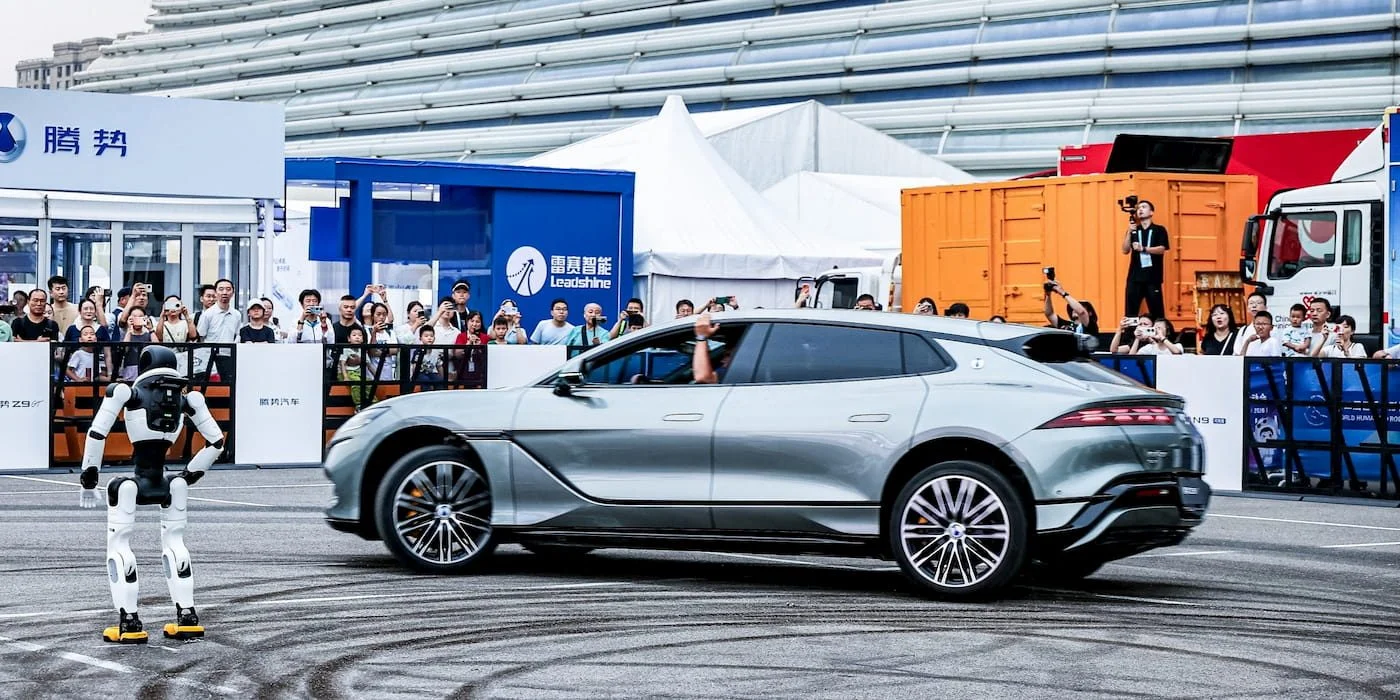
Currently, BYD's Denza Z9 GT is available in Europe, showcasing rapid charging capabilities with its new Blade Batteries 2.0 and Flash Charging technologies. This innovation allows for a vehicle to charge from 10% to 70% in just 5 minutes, with complete recharging from 20% to 97% taking only 9 minutes. Such developments highlight BYD's commitment to staying at the forefront of battery technology while preparing for the transition to solid-state solutions. The implications are clear: faster charging could make electric vehicles more appealing, reducing range anxiety, a significant barrier to widespread adoption.
Although BYD is already engaging buyers with its cutting-edge technology, the company is diligently progressing on various next-gen battery types, including solid-state variations. “You can name any battery technology, and I will guarantee you will find it in one corner of BYD R&D that we are studying,” Li noted, reinforcing their extensive approach to battery innovation. This indicates a strategic play to hedge against potential failures in any one technology path and underscores the competitive environment that BYD operates within.
Solid-State Battery Production Timeline
Regarding solid-state batteries, Stella Li emphasized BYD's leadership status, asserting, “BYD is in the leading position,” both in terms of technology and commercialization pathways. The first solid-state EV from BYD is expected to debut in 2027, aligning with the timeline for limited production of sulfide-based all-solid-state batteries from BYD's battery division, FinDreams. Their ambition to achieve scale by 2030 seems ambitious yet essential for maintaining competitive viability.
In discussions on battery durability, Sun Huajun, the CTO of Shenzhen BYD Lithium Battery Co., has highlighted that sulfide electrolytes present advantages over traditional liquid lithium-ion batteries, including enhanced stability, safety, and charge speed—key attributes that are expected to improve driving range significantly. Here’s the thing: while the theoretical benefits are sound, the practicalities of engineering and scaling up production without flaws is another story. The complexities of mass manufacturing solid-state batteries could affect yield and cost, impacting their eventual market viability.
The initial models featuring these solid-state batteries are likely to come from BYD’s premium lines such as Denza, Yangwang, and Feng Chang Bao. Choosing this route makes sense strategically, allowing BYD to target early adopters who are willing to pay a premium for cutting-edge technology, which could help fund broader expansions into more budget-friendly models down the line.
The Competitive Landscape
BYD isn’t facing this challenge alone; several other major manufacturers have set timelines for their own solid-state battery launches. Geely, Changan Auto, CATL, Toyota, Stellantis, and Mercedes-Benz are all looking to roll out solid-state battery vehicles around the same timeframe. Yet, while the introduction of these batteries may occur as early as 2027, full commercialization is anticipated to unfold closer to 2029 or 2030. The interplay of innovation timelines will be crucial for shaping market dynamics, especially if certain players achieve commercial viability sooner than others.
Some automakers have already begun testing in real-world conditions. For example, a modified Mercedes-Benz EQS recently demonstrated the potential of solid-state technology by achieving an impressive range of over 745 miles (1,200 km) using cells from Factorial Energy. This real-world application underlines the growing momentum behind solid-state batteries and the significant developments underway across the industry. The data from such tests often propels further investment and research, creating a feedback loop of innovation and scrutiny.
As BYD presses forward, its strategic focus on solid-state battery technology could represent a pivotal shift in the EV space, promising not just enhanced vehicle performance but also redefining the future of energy storage solutions. The stakes are high for all involved, and how BYD and its competitors navigate the immense engineering challenges in solid-state battery production will likely dictate their success.
Future Outlook: The Implications for the EV Market
What this means for you if you're working in this space is straightforward: the rush toward solid-state battery technology isn't just about speed or power; it's about reimagining the entire EV market. Improved safety features and driving ranges could turn electric vehicles from niche products into mainstream choices. Moreover, the advancements in battery technology may also reshape the supply chain, leading to new requirements for sourcing materials and collaborating with tech firms on manufacturing solutions. Observers should keep an eye on how these dynamics evolve, particularly as some manufacturers might find themselves struggling to keep pace with the rapidly changing technology demands.
As BYD and competing firms gear up for 2027 and beyond, expect heightened competition and persistent technological race. The outcome? A stronger emphasis on not just battery performance, but overall energy efficiency in EVs. The real question remains: who will emerge as the uncontested leader in this pivotal moment of transitioning energy paradigms?

Discussion
Sign in to join the discussion.