A Texas plant set to open in 2027 aims to revolutionize solar panel recycling, recovering up to 96% of valuable materials for domestic use.
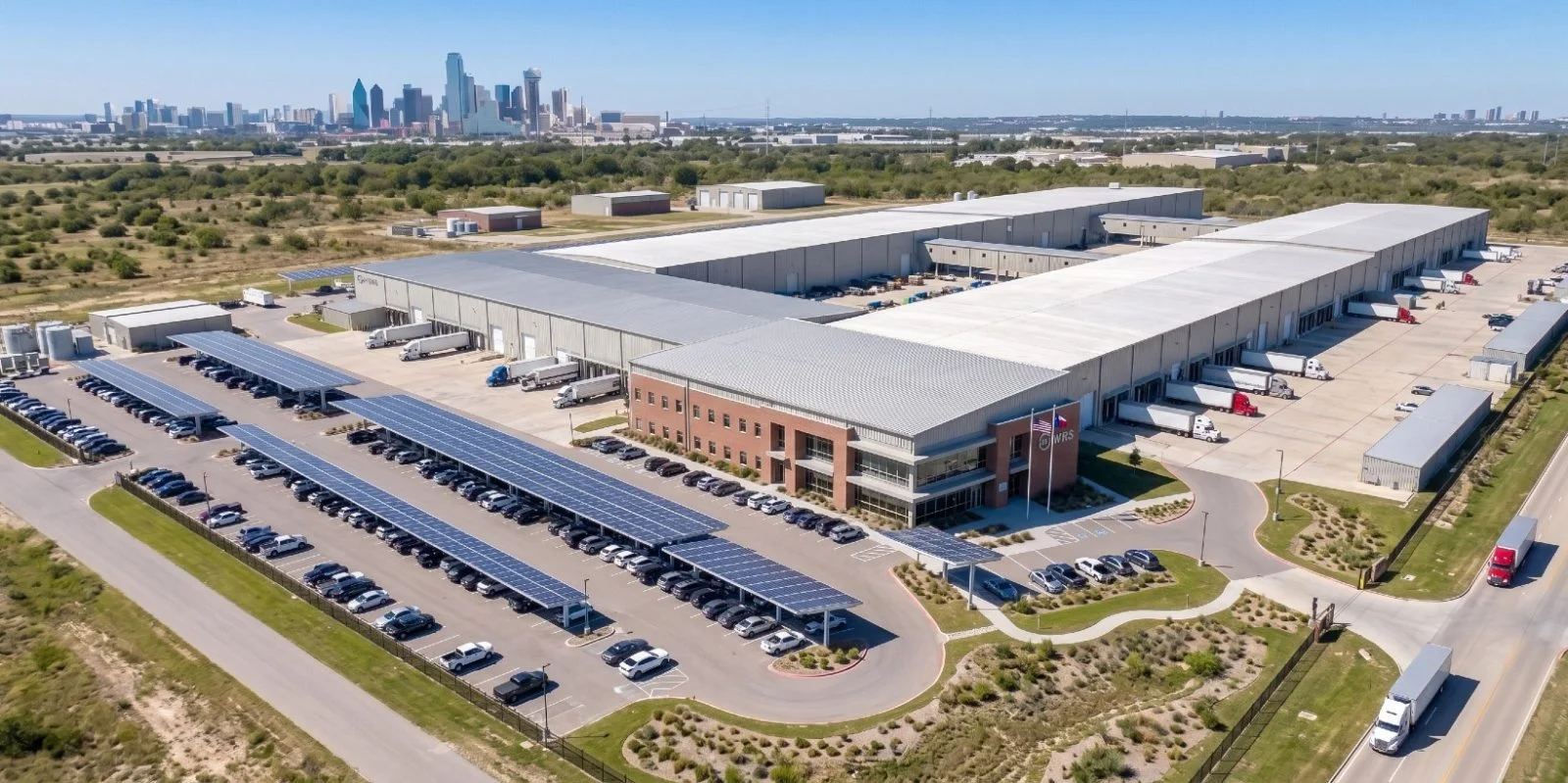
We Recycle Solar (WRS) is positioning itself at the forefront of solar panel recycling in the United States, announcing plans to launch the country’s first comprehensive critical-materials recovery facility specifically focused on decommissioned solar panels. Slated to begin operations in the third quarter of 2027, this facility will be located just outside Dallas and will boast the capacity to process one panel every minute while recovering up to 96% of its constituent materials.
Addressing Existing Challenges in Solar Panel Recycling
This development is particularly significant given the ongoing challenges in solar panel recycling, where existing methods typically focus on extracting lighter components like aluminum and glass. While those materials are numerous, they don’t represent the highest value; recovering precious metals such as silver, copper, and silicon remains more complex and costly. Solar panel waste management has not kept pace with the burgeoning installation rates. As the demand for solar energy surges, the end-of-life management for decommissioned panels becomes increasingly pressing. If you're working in this space, you know this issue isn’t just about recycling; it’s about sustainable resource management and minimizing environmental impact.
WRS aims to shift this paradigm by implementing a proprietary process that will reclaim critical materials and prepare them for reintegration into U.S. supply chains. This move can bolster the domestic production of solar panels and other electronic components, mitigating the current heavy reliance on foreign sources, especially China. The transition toward localized sourcing isn’t just strategic; it’s essential for securing a more resilient supply chain.
Adam Saghei's Vision and the Impact on the Supply Chain
Adam Saghei, the founder and CEO of WRS, emphasized the importance of this initiative, stating, “Solar panels contain the exact critical materials the US supply chain desperately needs, but until now, no American company has been able to recover their full resources at such scale or efficiency.” By managing the entire recycling process within the U.S., WRS seeks to reallocate these valuable resources and minimize reliance on overseas processing. The implications extend beyond economics; this venture represents a shift toward circular economy principles where materials remain in use for as long as possible, thus reducing waste.
The Future of Solar Waste Management
The potential for increased solar waste is considerable. The U.S. Department of Energy reports that around 70% of current solar projects were installed after 2019, and panels typically have a service life of 25 to 35 years. As these installations begin to reach the end of their productive spans, the flow of retired panels is set to escalate significantly. Beyond just the numbers, consider the long-term environmental costs of disposal. Factors such as environmental damage and the replacement of older panels with more efficient models will further contribute to this surge. This is more significant than it looks when you consider the lifecycle impact of solar technology.
Current statistics indicate that WRS has already diverted over a million retired panels from landfills through its existing operations, which include decommissioning, recycling, and remarketing efforts. The Dallas facility is particularly noteworthy as part of WRS's broader strategy. The company has plans to invest approximately $100 million in establishing four additional facilities across the U.S. by 2028. This ambitious expansion signals a commitment not only to recycling but also to investing in the future of sustainable energy infrastructure.
Aligning with a Sustainable Future
The vision of enhancing solar panel recycling aligns with the growing imperative to develop more sustainable practices within the renewable energy sector. While solar panel recycling is already taking place in the U.S., it often comes at a higher cost compared to conventional landfill disposal. By focusing on high-value material recovery, WRS aims to narrow this cost gap while simultaneously reducing the demand for newly mined resources. This reallocation of materials can have ripple effects across various sectors, including electronics which also depends heavily on extracted metals like silver and copper.
WRS's Broader Implications for Other Industries
With this ambitious approach to recycling, there’s significant potential to affect not just solar energy but a range of industries reliant on recovered materials, including electronics and power grid infrastructure. WRS’s endeavor could substantially reshape the implications of material recovery in renewable energy, fostering greater efficiency and sustainability. The emerging system of circular economy practices—where waste is repurposed into new materials for production—might create new norms in manufacturing.
As the market for solar energy continues to expand, the need for reliable and effective recycling systems is more critical than ever. WRS is poised to take a leadership role, ensuring that valuable materials remain in the domestic economy and mitigating the environmental impact associated with solar panel disposal. This movement may also inspire other companies to innovate in their own recycling approaches and reconsider their waste management strategies. Will other players follow suit? That’s a question worth asking.
Stay connected as this story unfolds; the impact of WRS's facility could be felt widely across the renewable energy sector in the coming years. The path ahead will require collaboration across industries and a commitment to sustainability, but the potential benefits are vast. It's a future worth watching.



Discussion
Sign in to join the discussion.