August saw a drop in EV prices while new car transaction prices rose above $50K, narrowing the gap for electric vehicle buyers.
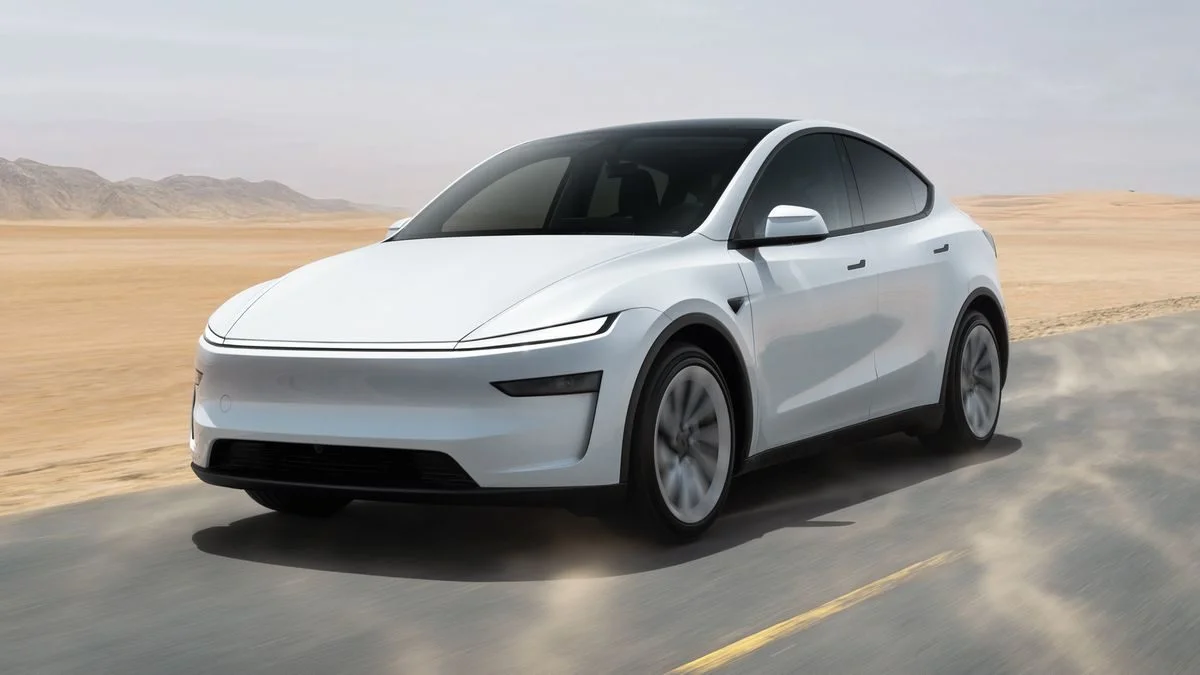
In August, the average price of new electric vehicles (EVs) experienced a decline, contrasting with the increasing transaction price of new vehicles in the U.S., which surpassed the $50,000 mark for the first time in 2026.
Recent Trends in EV Pricing
According to Kelley Blue Book, the average price paid for new EVs fell to $54,813, reflecting a 1.2% decrease from July and a more significant 2.7% reduction year-over-year. In the same month, the average transaction price (ATP) for all new vehicles rose to $50,089, marking a 0.5% month-over-month increase and a 1.9% rise compared to the previous year. This divergence in pricing trends raises questions about the sustainability of current market dynamics.
The current price drop for EVs may seem like a positive development for consumers, especially as buying a new car becomes more expensive overall. But it also points to a market reacting to a flood of new models and growing competition. Major manufacturers are launching more affordable options to attract buyers, particularly as the electric vehicle sector continues to evolve with new models and technologies. It's not simply about reduced prices; it's a signal that manufacturers are responding to consumer demand for more accessible EV options.
Price Premiums and Market Dynamics
This fluctuation means that the price premium for EVs dropped significantly to 9.4%, down from over 16% a year ago. The gap currently sits at about $4,700, the smallest it has been yet, indicating a trend toward price parity in the future. Many consumers are eagerly waiting for EVs to match the prices of conventional vehicles, and this narrowing gap could accelerate adoption rates.
Historically, the higher upfront cost of EVs has been one of the biggest barriers to widespread acceptance. Now, with the premium decreasing, we're seeing a pivotal moment where potential buyers might feel less reluctant to make the switch. Here's the thing: as prices level out, consumer hesitance based on cost could diminish, leading to significant increases in EV market share.
The Role of Incentives
Interestingly, despite a slight reduction in manufacturer discounts—where average incentive spending on EVs noted a decrease to 12% of transaction prices from 12.2% in July and 14.6% the previous year—demand for EVs remains strong. Even so, EV incentives are still nearly double the industry average of 6.5%. This scenario indicates that while consumers may initially be attracted by lower prices, ongoing incentives could continue to drive interest and sales.
Incentives can play a critical role, especially for those on the fence about purchasing an EV. These discounts often act as necessary nudges for consumers. Yet, it's fascinating that, even with diminished incentives, the EV market hasn't slowed. This may hint at a changing perception of electric vehicles, evolving them from niche products to mainstream alternatives.
Tesla's Influence on the EV Market
Tesla continues to influence the overall EV pricing landscape remarkably. The automaker’s average transaction price dropped to $52,616 in August, representing a 2.4% decrease from the previous month and a 3.4% decrease year-over-year. With Tesla's substantial market share in U.S. EV sales, its pricing trends significantly impact the sector as a whole.
Tesla's pricing moves are particularly intriguing; they not only reflect consumer demand but also can strategically affect competitor pricing. As the company adjusts its prices, others in the market find themselves under pressure to follow suit or risk losing market shares. This influence is a double-edged sword: while lower Tesla prices might benefit consumers, they could also squeeze margins for rival manufacturers, intensifying competition in the sector.
Looking Ahead: Implications and Future Outlook
While EVs may have yet to fully achieve price parity with conventional vehicles, the ongoing decline in their prices, combined with rising costs for other new cars, suggests a narrowing gap, potentially benefiting consumers in the near future.
What this means for you—if you're working in this space or simply considering an EV—is that the momentum is shifting in favor of electric vehicles. The market is progressively moving towards equilibrium, where cost isn't a primary hurdle anymore. This could redefine the automotive landscape and accelerate widespread electric adoption.
As manufacturers work hard to offer new, affordable options, it may not be long before EVs are no longer seen as a luxury choice but as a practical, economical one. That could reshape consumer perceptions and further encourage adoption rates across different demographics. Those who hesitate might find that the time to act is almost here.
Read more: US EV prices are going back up as discounts shrink

If you’ve ever considered going solar, make it easy by finding a trusted, reliable solar installer near you that offers competitive pricing by checking out EnergySage. It has hundreds of pre-vetted solar installers competing for your business, ensuring you get high-quality solutions and save 20-30% compared to going it alone. Plus, it’s free to use, and you won’t get sales calls until you select an installer and share your phone number with them.
Your personalized solar quotes are easy to compare online, and you’ll get access to unbiased Energy Advisors to help you every step of the way. Get started here.

Discussion
Sign in to join the discussion.