Tesla delivered 486,532 vehicles in Q3, exceeding expectations while facing challenges in the US and China, but showing strong recovery in Europe.
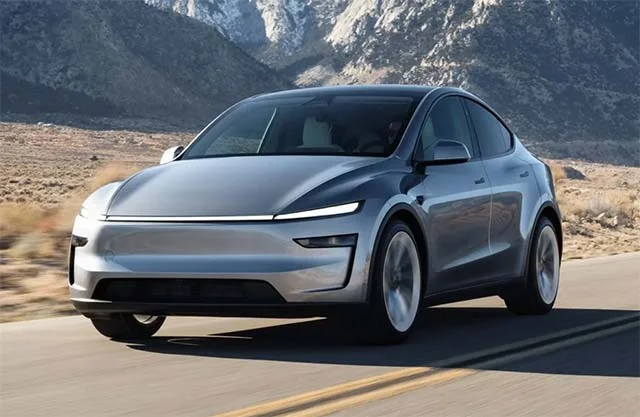
Tesla has reported delivering 486,532 electric vehicles in the third quarter of the fiscal year, surpassing Wall Street's predictions that hovered between 461,000 and 464,000. This performance provides a glimpse of stability for Tesla's operations, although the overall figure indicates a slight decline of 2% compared to the same quarter last year, when sales were boosted by consumers eager to take advantage of expiring federal EV tax credits.
Despite the year-on-year decrease, Tesla's stock reacted positively to the announcement, climbing as much as 5% in early trading. Nevertheless, it's essential to note that the company’s shares are still down over 20% for the year, suggesting underlying market challenges.
European Market Resurgence
One of the more notable trends emerging from this quarter's data is Tesla’s recovery in European markets. The company recorded a remarkable uptick in vehicle registrations, with increases of approximately 53% in August alone compared to the previous year. For the entire first eight months of the year, registrations grew by 66%, according to the European Automobile Manufacturers’ Association.
France has become a standout market for Tesla, with the Model Y now leading as the best-selling vehicle of any kind during this period. Other markets also showed remarkable growth, including Portugal at 128.3%, France at 61.9%, Sweden at 38.4%, and Spain at 24.8%. This rebound can partly be attributed to heightened gasoline prices and an increasing consumer appetite for electric vehicles, coupled with intensified competition from Chinese manufacturers.
Challenges in the US and China
While Europe is thriving, the scenario in the United States appears more complex. The expiration of the $7,500 federal EV tax credit at the end of September has dampened demand, resulting in a near 20% decline in sales across the US in the first three quarters of the year. However, Tesla has managed to retain or even expand its market share among competitors during this challenging period.
China presents a unique set of challenges, with local firms like BYD and Geely stepping up their competitive game by offering electric cars with attractive pricing and technological advancements. To counteract this pressure, Tesla has implemented strategic discounts on its Model 3 and Model Y, particularly towards the end of reporting periods, to stimulate sales.
Dependence on Key Models
Tesla’s delivery figures underscore a significant dependency on its primary models—the Model 3 and Model Y. Combined, these vehicles accounted for 478,237 deliveries, which represents an impressive 98% of total vehicle deliveries for the quarter, albeit a slight decline of 0.6% from the previous year. In contrast, deliveries of other models, which include the much-anticipated Cybertruck, dropped by 48% year-over-year, contributing only 8,295 units.
This heavy reliance on just two models raises questions about Tesla's ability to compete in diverse segments of the electric vehicle market, where competition is heating up. The company’s forthcoming vehicle plans, like the Cybercab robotaxi and the Semi electric truck, may help diversify its lineup, but achieving substantial market presence will require time and production ramp-up.
Production Versus Deliveries
Interestingly, Tesla produced fewer vehicles than it delivered this quarter. With 464,391 production units, the company fell short of its delivery numbers by more than 22,000 vehicles. This discrepancy indicates a reliance on existing inventory to meet customer demand, continuing a trend seen in previous quarters.
The production of the Model 3 and Model Y grew by 4.9% year-over-year, totaling 457,387 units. Meanwhile, output for other vehicles saw a significant reduction, which underscores the continuing dominance of Tesla's mainstay models in its delivery strategy.
Growth in Energy Storage
Aside from vehicle sales, Tesla is achieving noteworthy growth in its energy storage division. The company deployed 13.7 gigawatt-hours of energy storage products from July to September, up 9.6% from the same quarter last year. This positive trend not only reflects diversification beyond vehicle sales but also indicates growing demand for sustainable energy solutions in a world increasingly focused on renewable resources.
Looking Ahead: Q4 and Beyond
As the year winds down, Tesla faces an uphill battle to avoid a third consecutive decline in annual vehicle deliveries. To hit last year's total, the organization must deliver at least 311,448 vehicles in Q4. Meeting this target will hinge on demand across key markets, particularly the Model 3 and Model Y's ongoing performance, as well as Tesla’s ability to maneuver pricing and manage inventory effectively.
Future Aspirations and Financing
Investors are keenly observing several long-term projects that may shape Tesla's future. The Cybercab robotaxi, designed for an autonomous ride-hailing network, and the Tesla Semi truck are key areas of focus. Additionally, the upcoming presentation of the next-generation Roadster will attract attention as stakeholders anticipate developments that could influence production timing and specifications.
Tesla has recently secured $30 billion in new credit facilities, comprising a $20 billion term loan, an $8 billion revolving credit line, and a $2 billion short-term facility, signaling the company’s readiness for substantial investment in technology and infrastructure as it aims to expand across various sectors.
As Tesla presses forward, finding the right balance between production and demand while navigating a shifting competitive landscape across regions will be pivotal for the company's continued growth and innovation.


Discussion
Sign in to join the discussion.