UK buyers of the OMODA E5 or JAECOO E5 can choose a home charger package worth up to £1,029 or £1,000 of Octopus Electroverse credit.
A charging incentive with two distinct uses
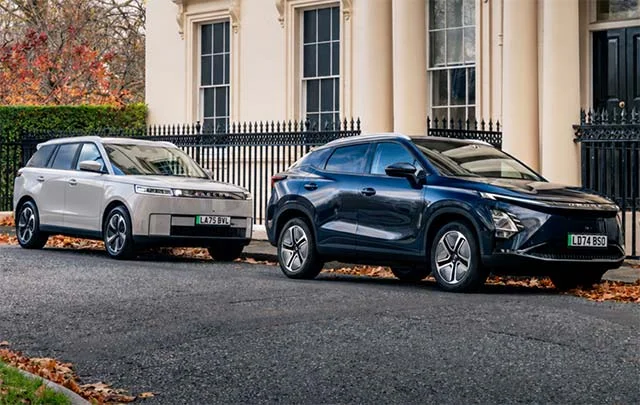
The charging offer attached to OMODA and JAECOO’s UK electric SUVs gives buyers a practical choice: install a charger at home or put £1,000 toward public charging. That flexibility matters because access to off-street parking isn’t universal, and the place a driver can charge may shape the ownership experience as much as a car’s advertised range. By including charging support in the purchase, the brands are asking buyers to weigh infrastructure alongside price and vehicle specification.
Private customers ordering a new OMODA E5 or JAECOO E5 at a participating UK retailer between October 9, 2026, and March 31, 2027, can select either option. The home package includes an Octopus Charge untethered smart charger with standard installation, valued at up to £1,029. The alternative is credit for use across the Octopus Electroverse network, which lists more than 1.4 million charging points worldwide. That figure describes the network’s listed reach; for an individual owner, the practical value will depend on whether compatible stations are available along the routes they use.
Two routes to charging
Customers should tell their retailer which incentive they want when buying the vehicle. Those choosing the home charger will receive an email from Octopus Energy with a link to place their order. The stated allowance covers the charger and standard installation, so buyers should check what their property requires before assuming the package covers every detail. A different charger or a non-standard installation may cost extra if the price exceeds £1,029.
That distinction matters because installation needs can vary from one home to another. The offer provides a defined allowance, but the source doesn’t spell out which site conditions count as non-standard or how any additional costs are assessed. If you’re working out the real value of the package, ask the retailer how the installation allowance applies to your property.
Electroverse credit arrives by email as a one-time voucher code within 14 days. Entering it in the Octopus Electroverse app adds the full £1,000 to the customer’s account for use at compatible public charging stations. It’s a substantial upfront balance, though its usefulness depends on a driver’s charging habits and access to participating points. A network count can signal breadth, but it doesn’t tell buyers how convenient charging will be where they live or travel.
The choice reflects a real divide in EV ownership. A home charger can make overnight charging convenient for drivers with suitable parking, allowing the car to be replenished while it’s parked. Public charging credit may be more useful to people who can’t install a charger at home, or who expect to rely on charging away from their property. The offer gives both groups a route into the same vehicles, but each option solves a different practical problem.
Octopus Energy says charging at home can cost up to 85% less than running a petrol car. That’s a company claim framed as a maximum, not a guaranteed saving for every owner. Actual costs will depend on the electricity tariff, vehicle efficiency and how the car is driven; public charging costs may also differ from home charging. The offer arrives as petrol costs remain high: RAC Fuel Watch figures cited in the announcement put average unleaded at 174.71 pence per litre in October 2026. That comparison helps explain the pitch, though it doesn’t by itself establish what an individual buyer will save.
Two electric SUVs, different price points
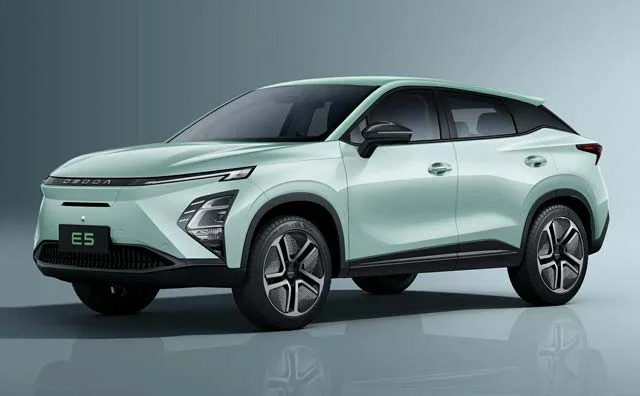
The OMODA E5 pairs a 61-kWh battery with a 211 PS motor producing 288 Nm of torque. Its WLTP combined range is up to 267 miles, and it reaches 62 mph from a standstill in 7.2 seconds. UK buyers can choose the Knight, priced from £33,065 on the road, or the Noble, from £34,565. Those figures give prospective buyers a basis for comparing trims, while the advertised range is a test-cycle measure rather than a promise of the distance every driver will cover between charges.
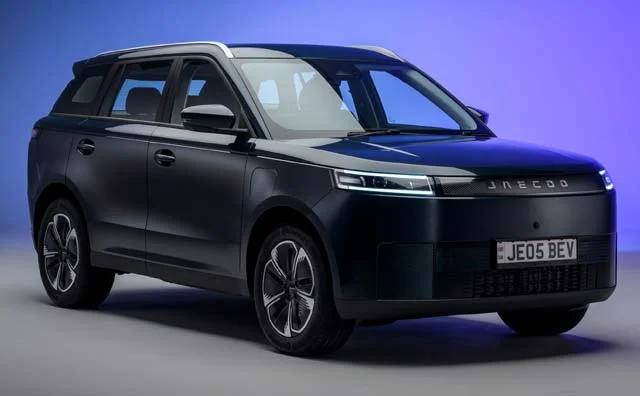
The JAECOO E5 starts lower, with the Pure priced at £27,505 and the Luxury at £30,505, both on the road. It has a 60.9-kWh battery and a 207 PS motor, with a WLTP combined range of up to 248 miles. At a suitable rapid charger, the company says it can go from 30% to 80% in about 27 minutes. That charging estimate depends on having an appropriate charger and conditions that support the stated rate; it shouldn’t be read as a universal stop time. Pet-friendly and camping modes add features aimed at drivers who use their SUV for more than commuting, giving the JAECOO a distinct lifestyle pitch alongside its lower starting price.
The two models therefore present different combinations of price, range and features. The OMODA has the higher quoted maximum range, while the JAECOO begins at a lower price and highlights modes for specific uses. Neither specification settles the ownership question on its own. Charging access, the buyer’s regular journeys and the cost of the selected trim will all shape whether the headline figures translate into a good fit.
Charging becomes part of the ownership pitch
For OMODA&JAECOO UK, the offer extends the sales pitch beyond vehicle specifications. Managing Director Victor Zhang said the company wants buyers to have flexibility in how they charge, pointing to convenient access as a key consideration for drivers switching from petrol or diesel. That is a sensible point of emphasis: a vehicle’s range matters, but owners also need a workable routine for replenishing the battery.
Alex Schoch, Octopus Energy’s Director of Electrification, framed the collaboration around making charging simpler and more affordable at home or through Electroverse. The offer’s appeal will depend on which option fits a buyer’s routine: a home installation has lasting convenience, while public credit provides a sizeable balance for network use. Here’s the thing: the choice is only as useful as the charging setup behind it. A charger allowance won’t remove every installation complication, and a large public credit balance won’t make a station convenient if it’s poorly placed for a driver’s needs.
What the offer tells buyers
This is more significant than it looks because charging is being treated as part of the car purchase, rather than a separate problem for the owner to solve later. The promotion makes that support visible at the point of sale and gives customers a choice between equipment at home and credit for public use. It also reveals the limits of a one-size-fits-all EV pitch: where a vehicle is parked and how its owner travels can change the value of the same incentive.
For buyers, the next step is to compare the offer with their own routine. Someone with suitable parking may value the charger’s ongoing convenience; someone without it may prefer the Electroverse balance, provided the network works for their journeys. And yet neither option should obscure the underlying differences between the E5 models, their prices and their stated ranges. The promotion puts charging access directly into the buying decision. A useful addition, with conditions worth checking.
The post OMODA and JAECOO Buyers Can Get a Free EV Charger or £1,000 in Charging Credit appeared first on Electric Cars Report.
OMODAJAECOOOctopus EnergyOctopus Energy


Discussion
Sign in to join the discussion.