Honda plans to invest $598 million in Brazil by 2030, targeting annual capacity of 2.3 million motorcycles by 2029. Brazil also serves 19 export markets.
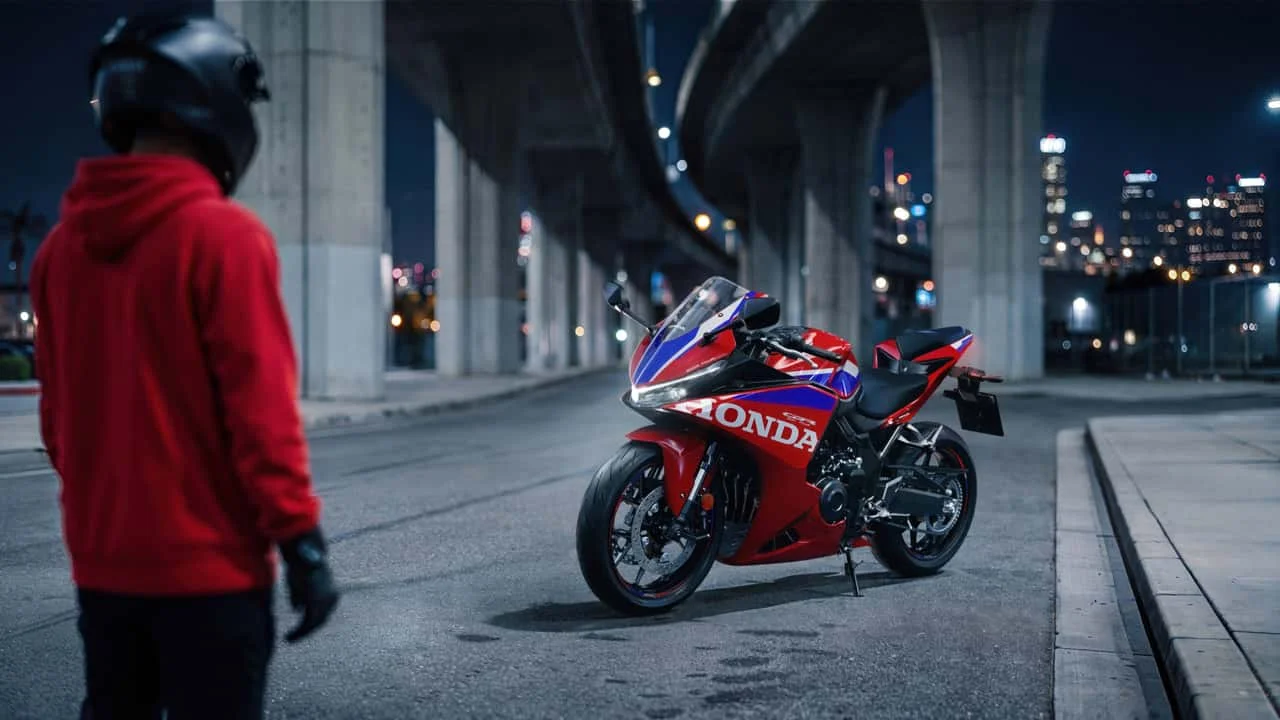
Honda’s Brazilian expansion follows five decades of production
Honda is marking 50 years of motorcycle manufacturing in Brazil with a planned investment of $598 million to expand its production operations. The anniversary is significant, but the larger signal is Honda’s decision to put substantial new capital behind a market where it has built motorcycles for half a century.
The announcement doesn’t specify what the investment will add or how much production capacity will grow, so the scale of the factory expansion remains unclear. Still, $598 million is a substantial commitment. If you’re watching Honda’s regional strategy, Brazil is plainly more than a legacy manufacturing base for the company.
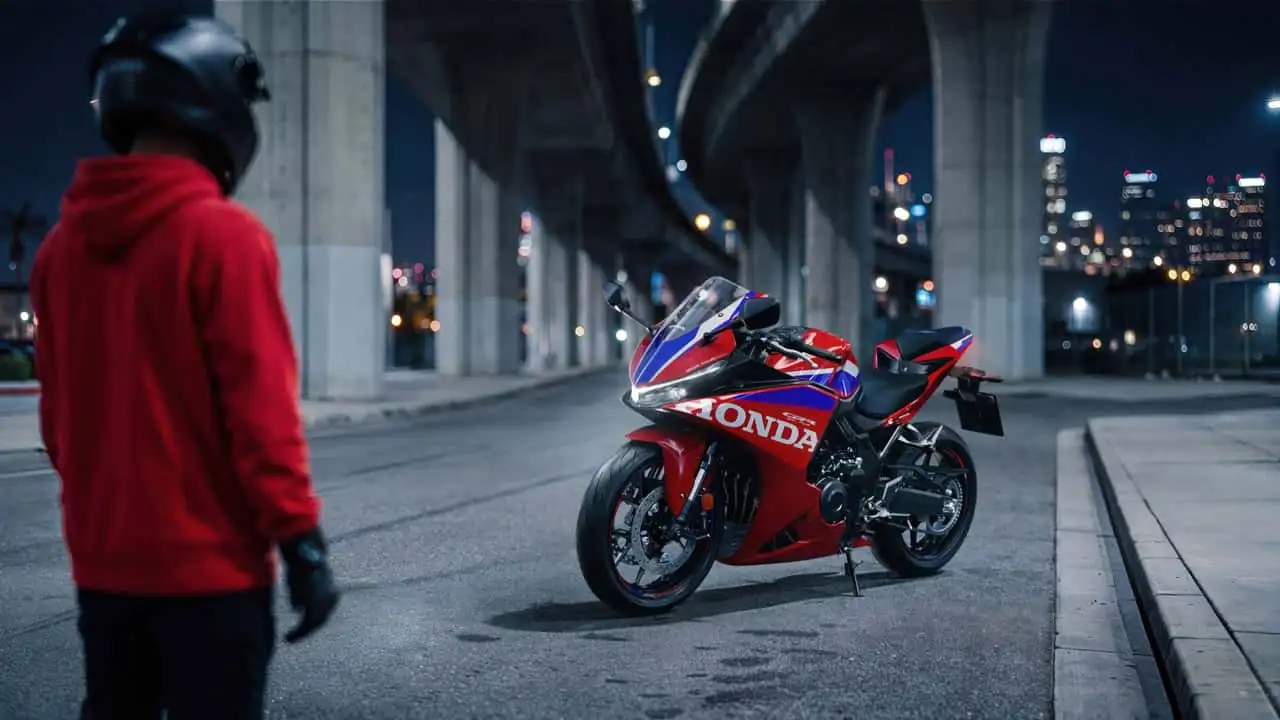
Honda is betting on Brazil’s next growth phase
Honda’s 50 years of motorcycle production in Brazil mark more than a manufacturing anniversary. At a ceremony in Manaus, in Amazonas state, on November 5, the company used the milestone to signal how much bigger it expects the market to get.
The plan calls for BRL 3.3 billion, or $598.3 million, in investment between 2026 and 2030. Honda aims to raise annual capacity to 2.3 million motorcycles by 2029, citing growing Brazilian demand. That’s a substantial commitment, though the announcement doesn’t spell out how much of the increase will come from new equipment, added shifts, or other changes at the factory.
Here’s the thing: this is a second investment wave, not a standalone pledge. Honda announced another BRL 1.6 billion, or $290.1 million, for its Brazilian operation last year. Taken together, the spending suggests the company sees room to expand production well beyond its current level. If you’re watching the region’s motorcycle market, the capacity target is the clearest sign of Honda’s confidence.
Honda has also had to manage disruption elsewhere: its Bangkok motorcycle plant temporarily closed after flooding. That’s a reminder that ambitious production plans depend on factories and supply chains working as intended. The Brazil announcement, by contrast, is a direct bet on local demand.
Honda’s Manaus expansion is a major bet on Brazil’s role in its global motorcycle business. The site already turns out about 7,200 bikes a day; adding two plants, each with its own assembly line and supporting production operations, should give Honda room to grow. The company hasn’t disclosed the new capacity, so the scale of the production increase remains unclear. ## A large operation with a global reach Manaus is Honda’s sole motorcycle production site in Brazil. In 50 years, it has built more than 33 million motorcycles. Today, four assembly lines across two plants produce 20 models, ranging from 110cc to 1,100cc. Honda calls it the most vertically integrated motorcycle facility in its global group. The factory serves Brazil and exports to 19 countries, including the United States, Australia, and Mexico. That reach helps explain why Honda describes Manaus as a core part of its worldwide motorcycle operations. President, CEO and Representative Director Toshihiro Mibe credited the plant’s productivity, quality and manufacturing efficiency, as well as the support of customers and business partners and the dedication of its associates. He said Honda would keep investing in Brazil, support mobility and local economic development, and build on the operation’s foundation over the next 50 years. ## Growth means more jobs, too Honda expects the expansion to create 2,000 jobs. The Manaus factory currently employs 9,200 people directly, and the new positions are intended to support higher production by 2029. That’s a meaningful commitment to the region, though the company hasn’t said how quickly the jobs will arrive or how much output the new plants will add. The clearest takeaway is that Honda sees Manaus as more than a domestic manufacturing base: it’s an established export hub the company is preparing to expand.

Discussion
Sign in to join the discussion.