McLaren's commitment to sports cars evolves as it plans a £500 million investment to build a performance SUV, breaking its previous pledge.
In a significant pivot from its long-held position, McLaren has announced plans to enter the performance SUV market, revealing a £500 million investment in its UK operations. This decision marks a notable departure from the company's previous declarations against producing SUVs, as it gears up to create a new factory and add around 1,000 jobs locally.
Context of McLaren’s Decision
The SUV market has evolved into a prime revenue stream for many automotive brands, and McLaren's entry signals a strategic response to shifting consumer preferences. Traditionally known for its supercars steeped in racing pedigree, McLaren's move to branch out echoes broader trends within the automotive industry. High-performance SUVs have carved out a niche that attracts both affluent buyers and those looking for practicality alongside luxury, creating a new breed of automobile enthusiast.
McLaren's shift is particularly noteworthy in a landscape where brands like Porsche and Lamborghini have found great success with their SUVs, even while some luxury manufacturers, such as Honda and Nissan, are retrenching from the UK market. By choosing to invest heavily in its UK operations, McLaren is not just expanding its model offerings but also reaffirming its commitment to domestic manufacturing amid a challenging economic climate for the auto industry.
Investment Details and Future Models
According to McLaren, the new infusion of capital will expedite the development of in-house hybrid engines and transmissions. This is a critical aspect of their strategy, preparing them for the anticipated “performance SUV.” CEO Nick Collins emphasized that their approach would maintain the brand's core values while creating something truly distinct within the SUV segment. “We'll do it very much in a McLaren way. It will bring something unique to the segment, which we think the customers will value,” he stated.
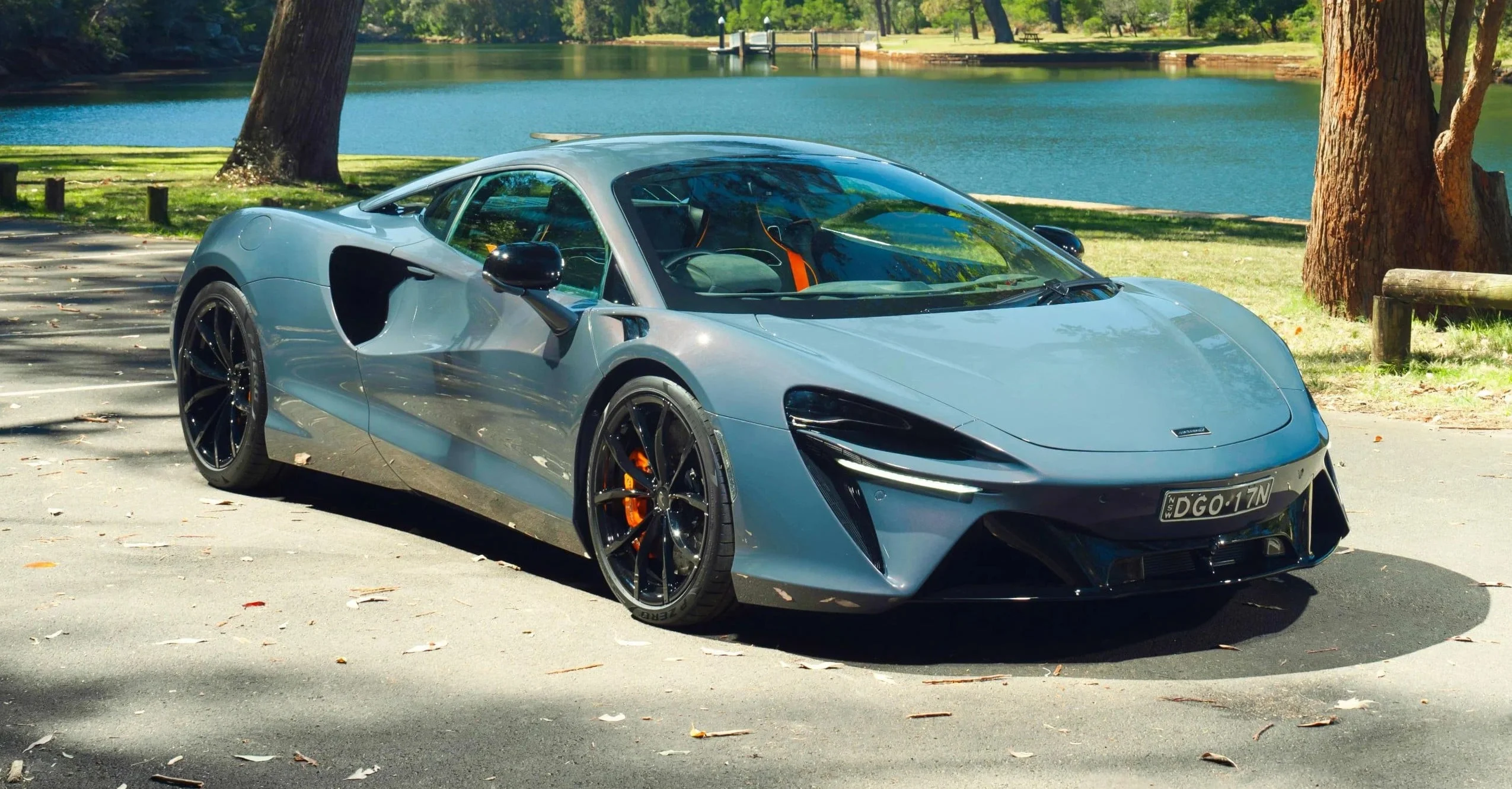
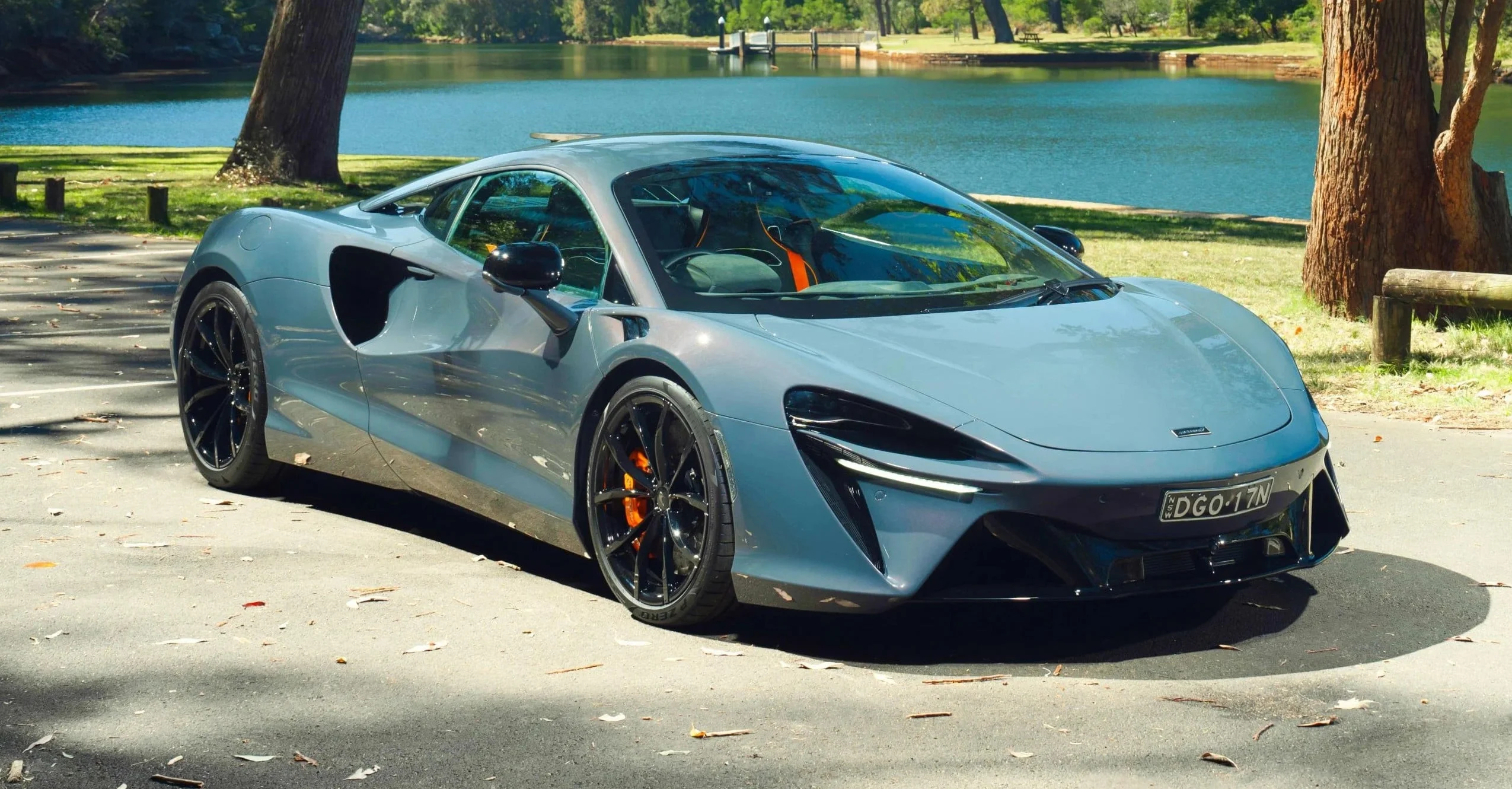
The communication around the SUV suggests that McLaren aims to leverage its engineering brilliance and racing heritage in a format that appeals to modern consumers. It appears that the new model will build on the technological advancements of their existing lineup, with a focus on offering hybrid options, similar to the Artura's twin-turbo 3.0-litre plug-in hybrid V6.
Hybrid vs. Electric: McLaren's Stance
When questioned about the company’s timeline for an electric vehicle, Collins made it clear that McLaren would only venture into the electric space when there is sufficient demand from customers. “We will do an electric vehicle when our customers ask us for one, and they're not asking,” he noted. This approach underscores a business mentality rooted in customer feedback rather than solely following industry trends.
Though this might seem cautious, it’s indicative of McLaren's desire to maintain its identity as a performance brand. The existing market for electric vehicles is bulging with options, yet the demand for high-performance electric cars within the supercar segment hasn't fully materialized. What this means for you, if you're a McLaren enthusiast or investor, is that the company might prioritize refining its hybrid technology further before making any significant electric commitments.
Shifting Brand Ideology
This marked shift is particularly intriguing given McLaren's historical skepticism towards SUVs. Back in 2018, Tony Joseph, then-president of McLaren's North American division, famously warned that producing an SUV could dilute the brand's identity. It raises questions about the purity of performance and whether expanding into the SUV segment is a betrayal of McLaren's core principles.
Such concerns are warranted. Brand identity is paramount in the luxury automotive segment, and historically, the brands that falter often do so when they stray too far from their roots. McLaren now faces the challenge of navigating this balance while trying to cater to an evolving customer base. The results of their choices will be closely monitored, not just by enthusiasts but by the industry at large.
Industry Implications and Market Trends
As performance brands increasingly embrace the SUV trend, McLaren's entry into this market will be a significant point of interest. Models like the Porsche Macan and Lamborghini Urus show the potential success of such vehicles, with many luxury brands seeing their SUVs become best sellers. This demonstrates a fundamental shift in buyer preferences, where consumers are not just looking for speed but also factors like space, comfort, and versatility.
Here's the thing: the luxury SUV market doesn't just benefit from a larger consumer base; it also demands significant investments in technology and design. As McLaren moves forward, it'll need to ensure that its SUV doesn’t just check the boxes for practicality but also delivers the visceral driving experience that customers expect. Whether McLaren can achieve this will define its future relevance in an increasingly crowded and competitive market.
With this shift in focus, the stakes are high for McLaren. If they nail their performance SUV while maintaining brand integrity, they could solidify their place as a top-tier luxury option. If not, they risk alienating their loyal customer base, the reflections of which could affect the brand for years.
Discussion
Sign in to join the discussion.