The new Volkswagen ID.3 GTI combines high-performance with innovative design, offering an impressive range and sporty features for enthusiasts.
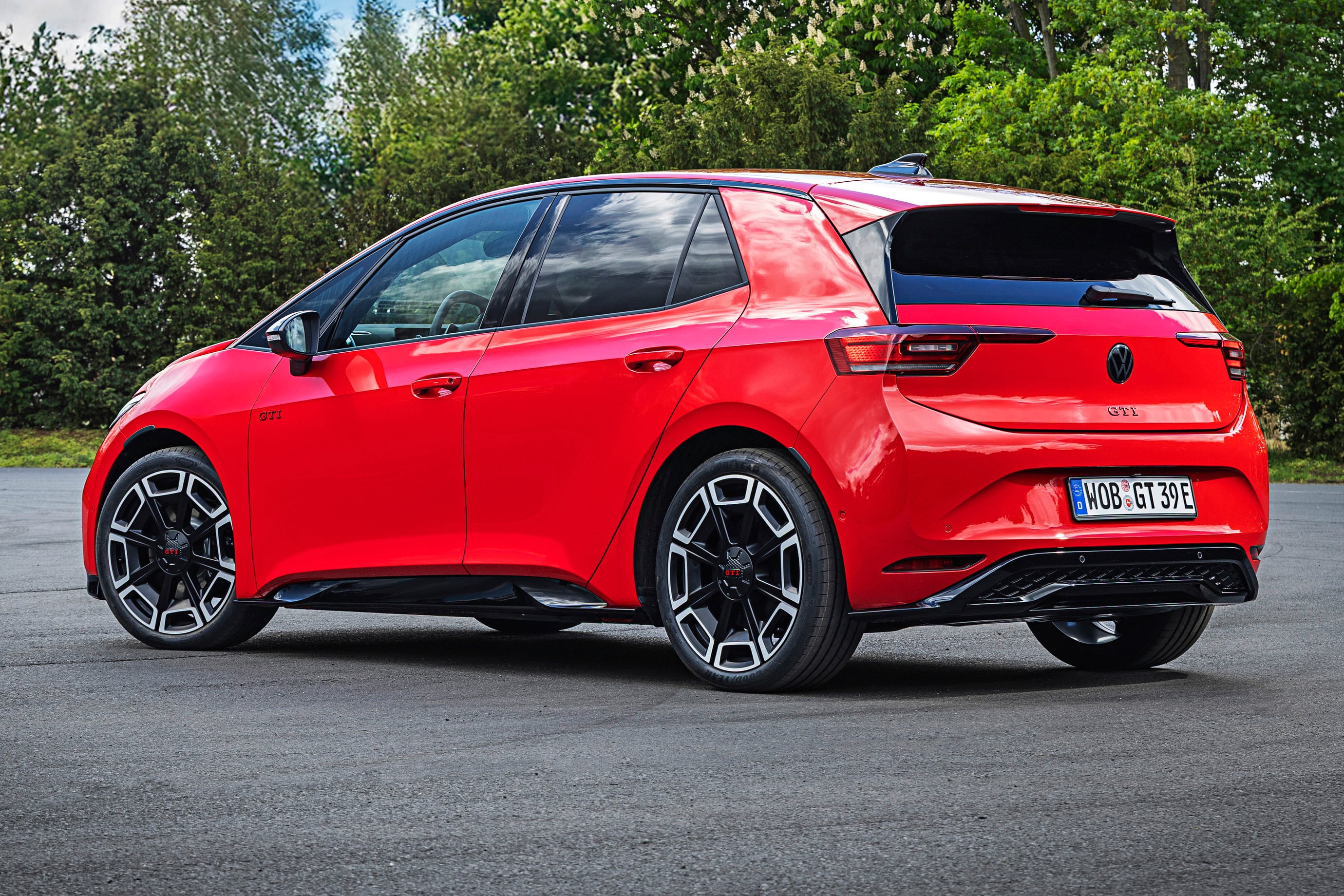
The launch of the Volkswagen ID.3 GTI marks a distinct shift in the brand’s electrified performance lineup, phasing out the previous GTX model. This latest iteration, an electric hot hatch, incorporates a redesigned body and an updated interior, echoing enhancements seen in the ID.3 Neo. For Volkswagen, this transition is significant as it signals their commitment to electrification while still catering to enthusiasts who crave performance.
Power and Performance
At the heart of the ID.3 GTI lies a 240kW motor paired with an impressive 545Nm of torque, propelling the rear wheels with considerable force. This configuration is supported by a 79kWh battery, allowing Volkswagen to claim a driving range of 601km under the WLTP testing regime—slightly improved from previous models. This is a pivotal feature; range anxiety has long been a barrier for consumers considering a switch to electric vehicles (EVs). Furthermore, the vehicle boasts an increased DC fast-charging capacity, now up to 183kW, which means less downtime at charging stations and a more convenient experience for drivers.
Despite maintaining the same power output as the GTX, the ID.3 GTI keeps the acceleration timeline intact, achieving an impressive 0-100km/h in just 5.6 seconds, with an electronically limited top speed of 200km/h. This performance is noteworthy for an electric hatchback, especially as the industry grapples with how to deliver excitement alongside efficiency. The exterior redesign is also eye-catching, featuring a sportier front bumper, a larger air intake, and distinctive red highlights that pay homage to the GTI lineage, instantly recognizable to enthusiasts and new buyers alike.
Aesthetic and Functional Design
The rear of the vehicle showcases a honeycomb insert and gloss-black detailing on the side sills and mirror caps, reinforcing its sporty aesthetic. Rolling on new 20-inch Wörthersee alloy wheels, the GTI stays true to its heritage while meeting modern performance standards. However, the braking system continues to employ front discs and rear drums, which some may critique as a missed opportunity to elevate performance. This could raise questions about whether Volkswagen has completely embraced the performance ethos electrified vehicles can offer.
The color palette for the ID.3 GTI is also noteworthy, with solid options like Tornado Red and Moonstone Grey, alongside metallic finishes such as Scale Silver and Grenadilla Black. Volkswagen has ensured that the bold GTI branding is visible throughout the car, with emblems adorning the grille, doors, and interior. This presence serves to cement the model’s identity as a performance vehicle, maintaining continuity in the GTI family.
Interior Experience
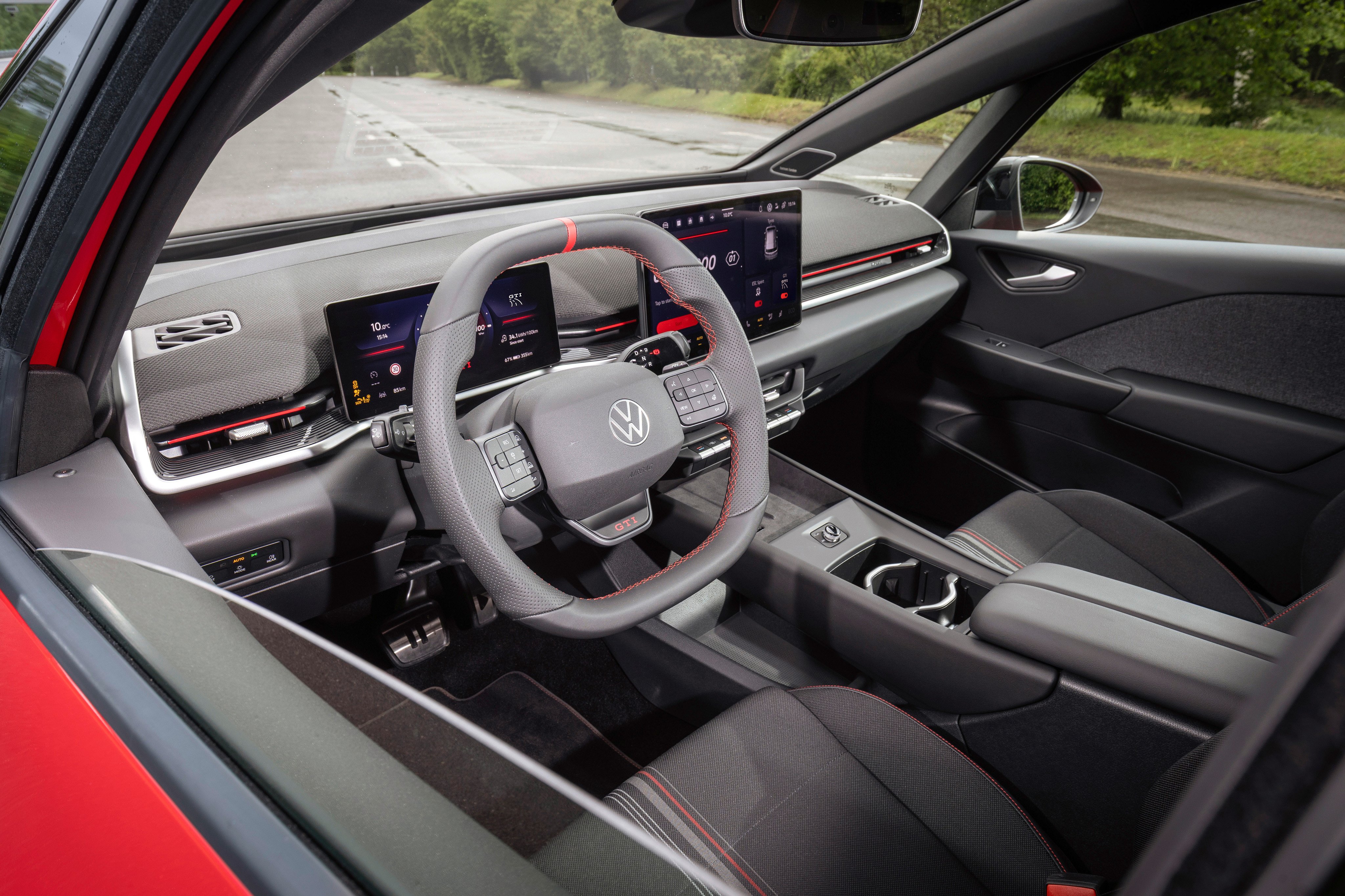
Stepping inside the ID.3 GTI, you’re welcomed by a refreshed dashboard featuring high-quality finishes. The centerpiece is a sizable 12.9-inch touchscreen, designed to enhance user interaction while driving. (And this is the part most people overlook: tech can make or break the driving experience.) Thankfully, Volkswagen has retained physical controls for essential functions, ensuring that practicality isn't sacrificed for surface aesthetics. This is particularly crucial for driving safety, as fiddling with touch interfaces can be distracting.
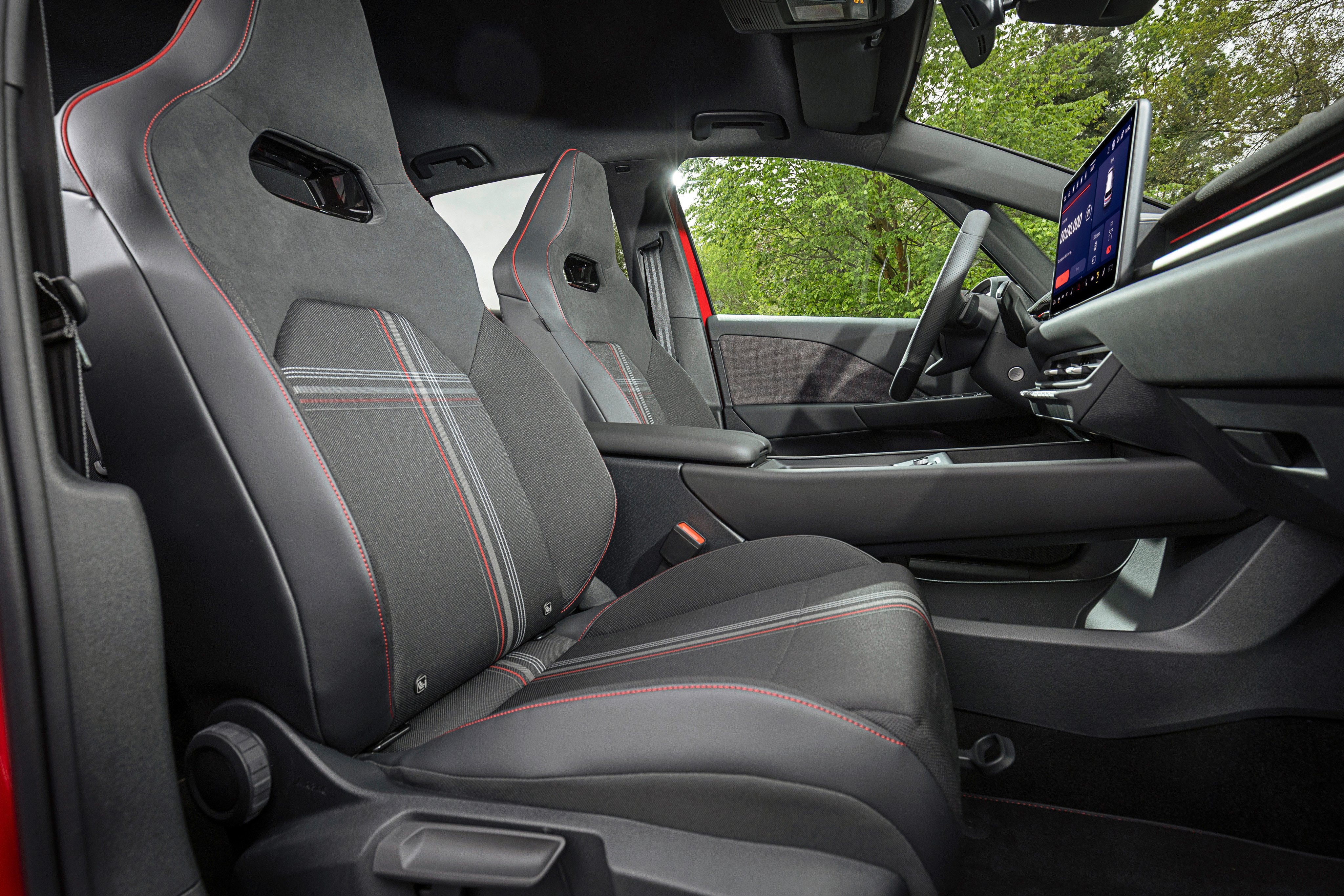
Distinctive GTI touches are present as well, including a sports steering wheel with a red 12 o'clock marking and unique fabric accents in the front seats, reminiscent of the classic Golf GTI. The GTI button on the steering wheel activates a specific driving profile that optimizes chassis settings and enables launch control, which could appeal to those wanting the thrill of sporty driving. There’s also a simulated combustion engine sound introduced to enhance the driving experience, a nod to traditionalists who might miss the visceral engagement of a gas-powered engine.
Market Implications and Future Outlook
The European order books for the ID.3 GTI are set to open in early 2027; however, its availability in markets like Australia hangs in the balance. Volkswagen's local director previously indicated challenges in marketing electric models like the ID.3, given Australia’s predominant interest in SUVs. This poses a significant question: can Volkswagen justify the business rationale for pushing electrified performance when mainstream preferences still heavily favor more conventional vehicles? If you're working in this space, consider how manufacturers like Volkswagen might pivot strategies based on market demand.
This model could signal broader trends in the EV market as performance and practicality merge more effectively. How will consumers respond? What this means for you is that the future viability of such vehicles could hinge on whether they strike the right tonal balance between tradition and innovation. For the ID.3 GTI to truly succeed, it’ll need to capture not just the performance-minded enthusiast but also the average consumer looking for something fresh yet relatable.

Discussion
Sign in to join the discussion.