Lepas leverages Chery's existing infrastructure for its launch in Australia, offering a competitive advantage among new entrants in the automotive market.
A New Player in the Automotive Arena
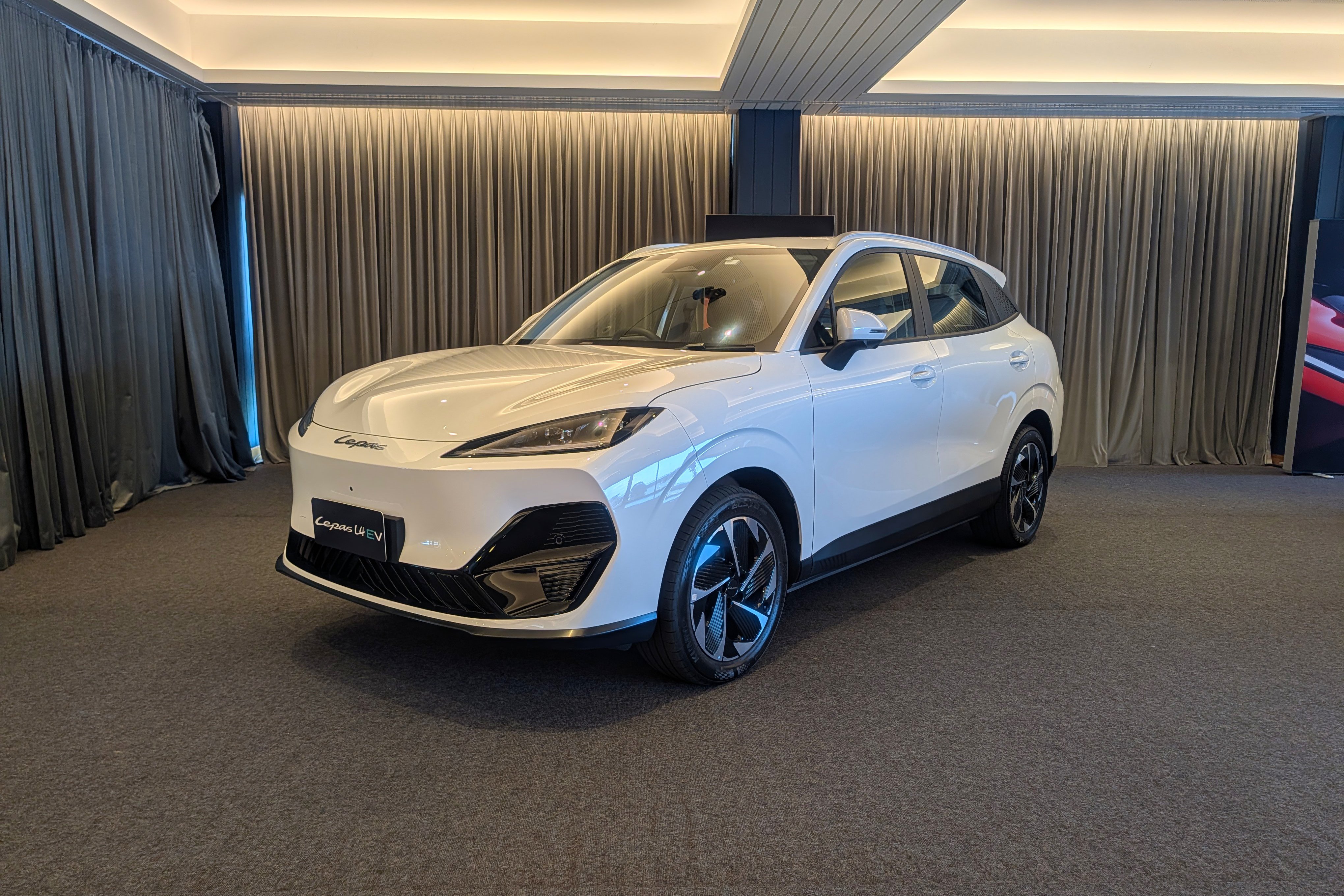
Lepas, a fresh contender in the automotive market, is preparing for its October debut in Australia with the L6 EV, a mid-size electric crossover SUV. This move aligns with a global trend where new automotive brands are emerging to tap into the growing demand for electric vehicles. Unlike many of its counterparts who struggle to find footing, Lepas benefits significantly from the extensive infrastructure of its parent company, Chery Motor Australia. This connection gives Lepas a strategic advantage that many startups lack, offering them a notable edge in an increasingly competitive market where established players are already vying for consumer attention.
Infrastructure as a Key Advantage
Lucas Harris, the chief operating officer of Chery Motor Australia, made it clear that the brand's strength hinges on its ability to leverage an established network. He pointed out, “Selling cars is the straightforward part. It's the warranty, technical support, and parts integration that require strong systems.” This perspective reveals a critical aspect of automotive sales: the customer experience doesn't end at the dealership. After-sales support plays a massive role in shaping consumer perceptions and building loyalty.
This operational groundwork empowers Lepas to dedicate its resources to enhancing customer engagement and establishing a compelling brand identity. Harris articulated this ambition, stating, “We already have the tools from zero to one. Now we want to expand from one to 100.” This strategy suggests Lepas is prepared to rapidly adapt and innovate, which is crucial for capturing a slice of the market. If you're working in this space, you’ll recognize that agility in operations can be a game-changer for new entrants.
Plans for Expansion
At its launch, Lepas plans to kick off operations with 40 dedicated dealerships, an impressive start that they aim to expand to 50 by the end of 2027. But it gets better: the brand will also use Chery’s existing dealerships as service agents. Currently, Chery boasts around 120 locations, with sights set on increasing that number to 150 within the next four years. This strategy ensures that Lepas isn’t just confined to major urban areas but also reaches smaller provincial and rural locales where demand for electric vehicles is rising slowly but steadily.
Harris emphasized, “Using Chery’s dealerships allows us to provide essential service support in smaller provincial and rural areas without the need for new investments.” By leveraging Chery's existing footprint, Lepas can promptly address customer needs while minimizing capital expenditures on new properties and personnel. For a new automotive brand, this kind of operational savvy might be a lifesaver, especially in a market that often requires sustained investment before seeing returns.
Strong Supply Chain Commitment
In a market where supply chain disruptions have plagued numerous industries, Lepas asserts a strong commitment to having essential parts readily available upon launch. The brand aims for 98% of its construction materials to be physically stocked in Australia, a bold claim that promises quick service and support for all models. This move illustrates a proactive stance not just to meet consumer demand but also to build trust from the get-go.
By ensuring that parts availability is prioritized, Lepas positions itself to mitigate potential service delays, which have been detrimental to other newer automotive brands in similar stages. This isn't just about being able to sell cars; it's about maintaining operational continuity and customer satisfaction long after the sale is made. If Lepas can manage this effectively, it will not only differentiate itself from competitors but also lay the groundwork for sustained growth in Australia’s evolving automotive market.
The Growing Chery Portfolio
Lepas isn't just a standalone effort; it represents the third Chery Group brand to enter the Australian market. The company plans to introduce several additional brands, including Freelander, iCaur, and Jetour, by 2027. This expanded line-up indicates Chery's ambition to solidify its presence in Australia, providing not just alternatives for consumers but also fostering competition in the regional automotive sector.
This strategic move to introduce multiple brands under the Chery umbrella suggests a well-crafted long-term vision. It enables cross-promotion among the different lines while maintaining a diverse portfolio that can cater to varying consumer preferences. In a market where consumers are increasingly vocal about their choices, this strategy could serve to build a loyal customer base across multiple brands while capitalizing on shared infrastructure.
MORE: Explore the Lepas showroom
Implications for the Future
The entrance of Lepas into the Australian market could mark a significant shift, not just for Chery but for the electric vehicle segment as a whole. With many consumers still hesitant about fully committing to electric vehicles due to concerns about service and support, Lepas aims to alleviate those fears right from the start. If they succeed in implementing their ambitious operational strategies, it may encourage other new players to adopt similar models that integrate existing infrastructures.
There’s potential here for a ripple effect. The more successful Lepas becomes in Australia, the more it might influence buying patterns and consumer expectations around service and parts availability. If this brand can deliver on its promises, it won't just be another name; it could reshape how consumers view newcomers in the electric segment.
All said, the coming months will be critical for Lepas, requiring not just strong execution but also the ability to connect authentically with customers—both existing EV enthusiasts and those on the fence. The stakes are high, and while their current preparations exhibit promise, the automotive arena doesn’t forgive missteps easily.
Discussion
Sign in to join the discussion.