Leapmotor is refining its driver assistance systems to minimize intrusiveness, aiming for five-star safety ratings while acknowledging room for improvement.
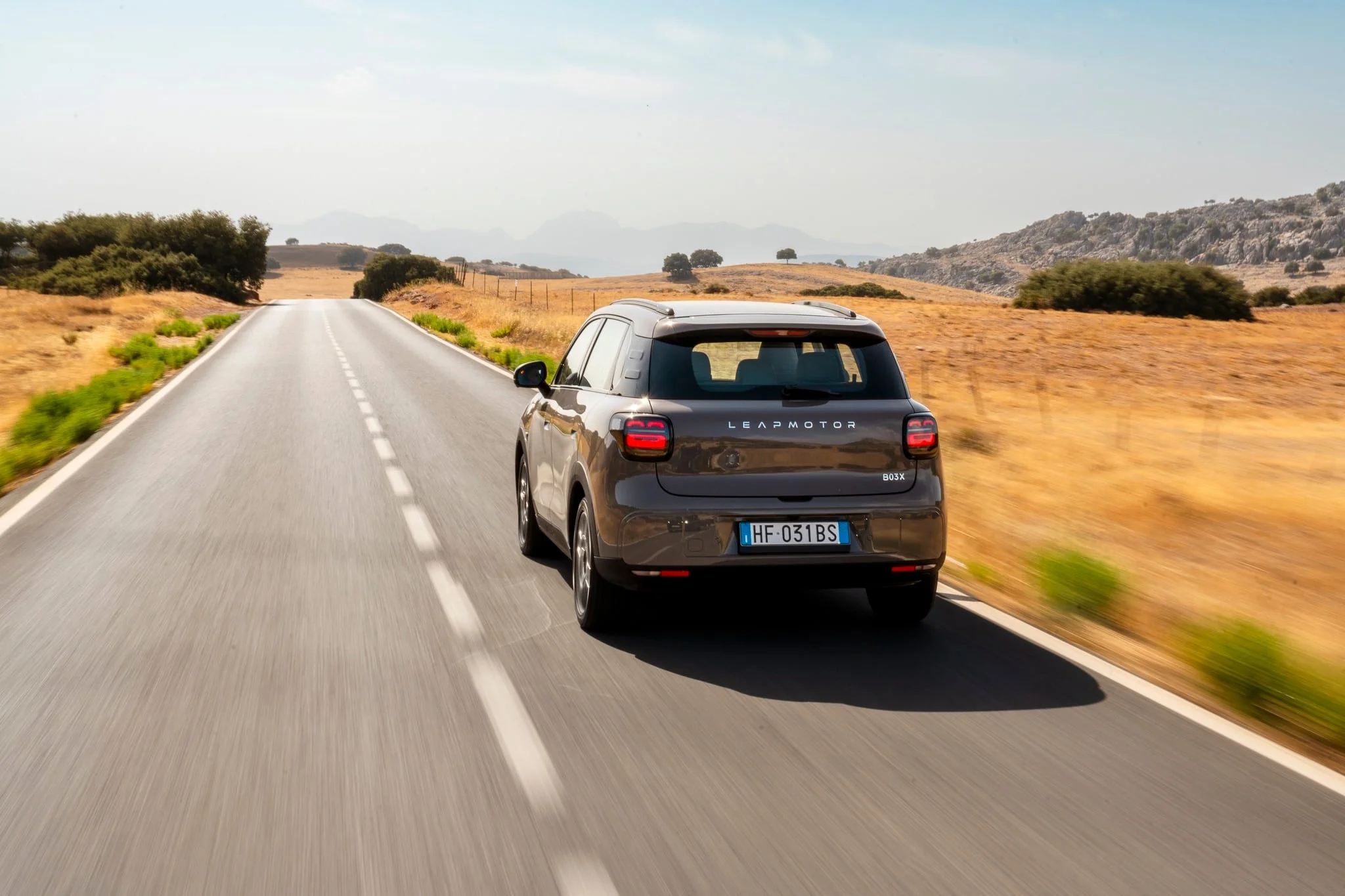
Leapmotor is prioritizing enhancements to its driver assistance systems as it strives for five-star safety ratings across its growing lineup. The Chinese automaker is currently focused on making its safety tech less intrusive, responding to customer feedback about the volume of alerts and the nature of their interventions.
Refining Driver Assistance Tech
During the international launch of the B03X in Spain, Francesco Giacalone, Leapmotor’s global head of brand strategy, product, and marketing, shared insights into the company’s approach to driver-assistance technology. Indeed, this area has become a critical battleground as automakers aim to reassure consumers about safety while keeping them engaged in the driving experience. Leapmotor is working on both reducing the frequency and intensity of warning sounds and refining how its vehicles engage with drivers through steering adjustments.
The challenge here is substantial. Many brands have struggled with the balance between adequate alert systems and maintaining a pleasant driving experience. Leapmotor is trying to address this head-on, pushing for a more intuitive interaction between the vehicle and its driver. This reflects their broader strategy of prioritizing user comfort without compromising on necessary safety features.
While Leapmotor is taking steps to improve usability by allowing drivers to deactivate certain systems more easily, Giacalone emphasized that merely adding off switches isn't sufficient. "It's about developing systems that function properly," he stated. This insight touches on a common shortcoming in the auto industry: too many features can lead to confusion or frustration rather than enhanced safety. The introduction of a swipe-down menu and customizable driver profiles—similar features seen in competitors like MG—are part of Leapmotor’s strategy to streamline access to important safety settings. By prioritizing ease of use, Leapmotor could differentiate its offering in a crowded market.
Competing for Safety Ratings
As Leapmotor expands its market presence, particularly in international territories, it recognizes the significance of earning strong independent safety ratings. This challenge is amplified for Leapmotor, as it navigates competition from established manufacturers with extensive experience in safety technology development. Gaining credibility in safety standards can bolster sales significantly; consumers often rely heavily on these ratings when making purchasing decisions.
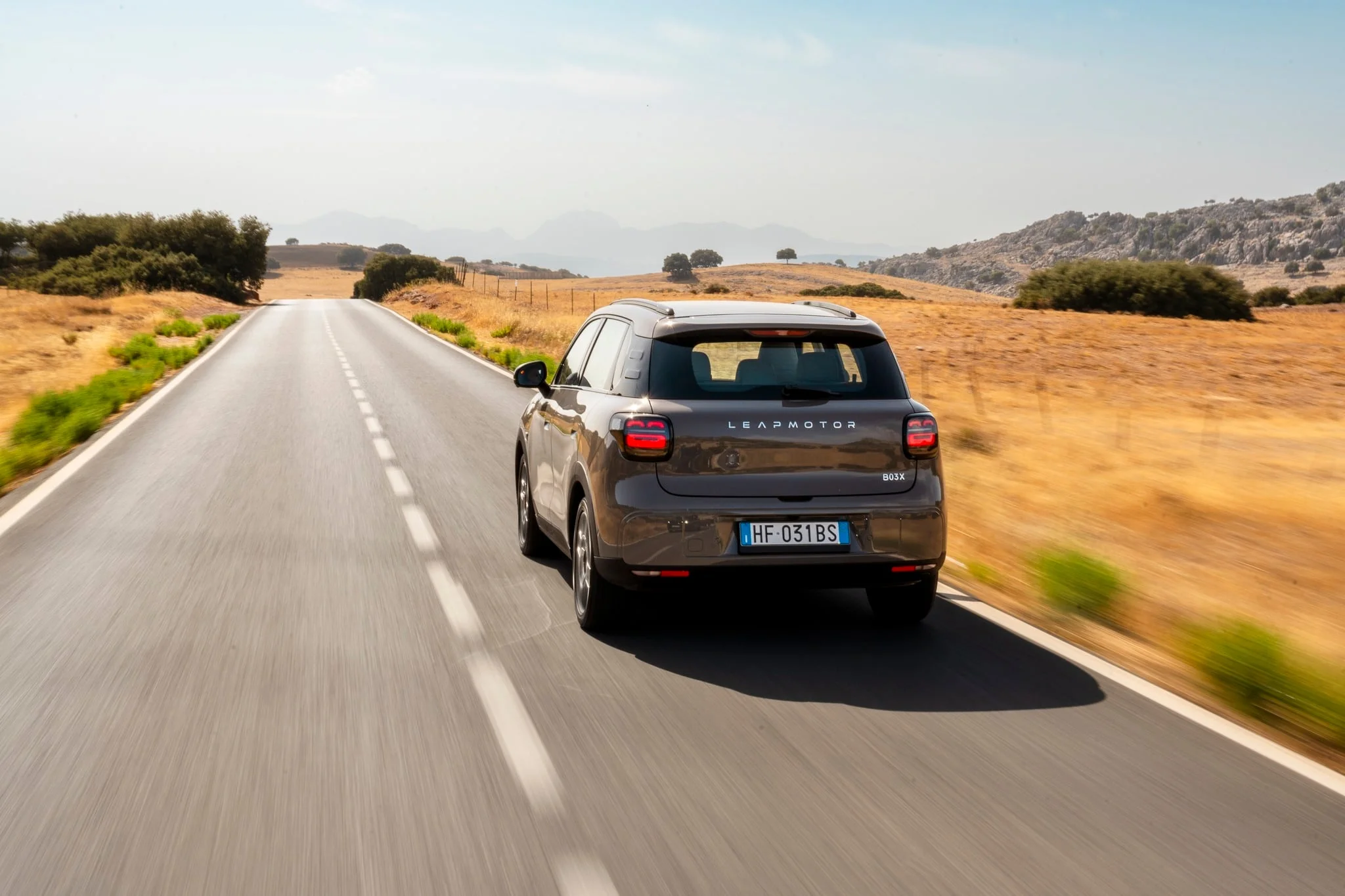
The upcoming B03X features a suite of 21 advanced driver-assistance systems supported by 14 sensors and cameras, and the company is keen to obtain a five-star rating during independent testing scheduled for early 2027. Achieving this may not just be about technical specifications, but also about consumer perceptions—if the public sees a brand striving for excellence in safety tech, it can lead to increased trust and brand loyalty.
Previous Achievements and Ongoing Challenges
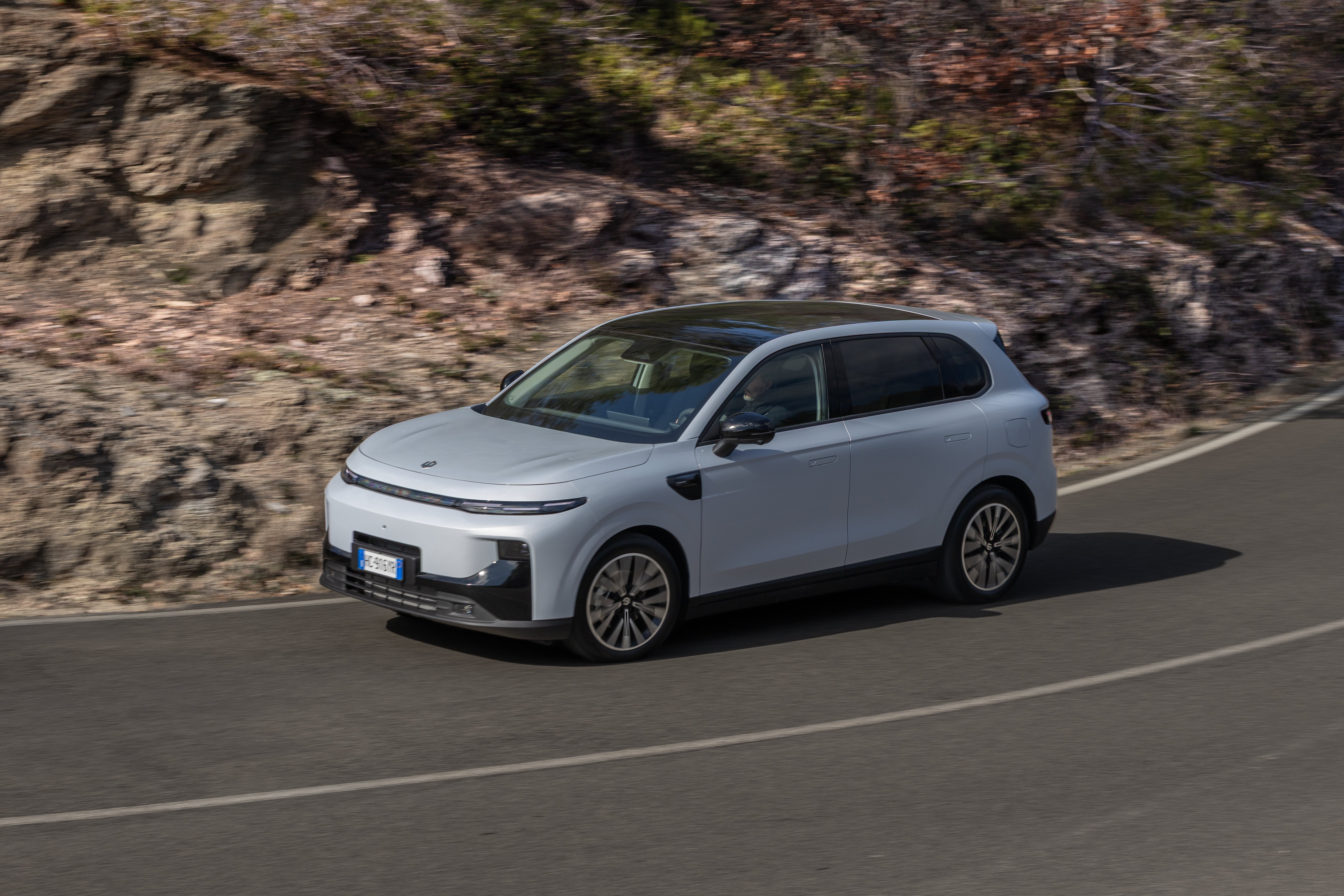
The B05, another model from Leapmotor, has already achieved a five-star safety rating under the new ANCAP assessment criteria. It garnered a notable 92 percent score in Crash Protection, particularly in side-impact scenarios and lane-departure collision avoidance. This demonstrates that Leapmotor can score well in structured assessments, but questions remain about whether it will be able to refine its driver-assistance systems to avoid frustrating drivers.
There's an essential nuance here. Drivers often find fault not just with the frequency of alerts but also with their timing and nature. Leapmotor has stated its intention to address this issue, indicating a willingness to learn from the broader industry. When discussing the expectations for unobtrusive yet safe technology, Giacalone pushed back against the notion that the challenges stem purely from cost-saving measures associated with lower-priced vehicles. He believes success lies in continuous learning and iteration, acknowledging that established brands have a head start through years of experience in honing their safety features. This perspective reveals an awareness of Leapmotor's relative youth and the uphill battle it faces.
He candidly referred to some previous warnings in Leapmotor vehicles as "extremely disturbing," indicating that the company is actively working to dial down unnecessary alarm levels. It’s an insightful admission, demonstrating that Leapmotor understands consumer psychology and the need for a more personable touch in its technology. The firm is also looking to minimize the excessive physical intervention caused by systems like lane-keep assist, attempting to strike a balance that respects the driver's input.
Regulatory Framework and Future Software Updates
Although certain alerts are dictated by European regulations and safety assessments, the company recognizes that its control over these features will determine their effectiveness. This interplay of regulations and design is a critical aspect of modern automotive technology, where brands must navigate bureaucratic requirements without compromising user experience. And yet, markets differ widely in their regulations, meaning that Leapmotor must tailor its approach depending on the region to be successful.
As technologies evolve, Leapmotor is optimistic that its software-led architecture will facilitate quicker updates and improvements to its driver-assistance systems, even post-delivery. Continuous updates can help address driver concerns without requiring a new vehicle model. This approach could change how consumers perceive the brand, shifting them from a traditional ownership mentality to a more service-oriented view of their purchasing choices.
Implications and Future Outlook
The ultimate goal is for consumers to trust and rely on these safety features without feeling compelled to disable them due to annoyance or inconsistency. If you're working in this space, you know that building that kind of trust takes time and patience. Leapmotor’s ambition to refine its systems could reshape its brand identity in the minds of consumers who might otherwise overlook it in favor of more established players.
One thing is clear: as Leapmotor digs deeper into this area of development, the implications extend beyond just their individual models. The success or failure of their driver-assistance improvements could influence the entire sector, prompting competitors to rethink their own strategies regarding safety features. It’s a ripple effect that could lead to more consumer-friendly interfaces across the board.

Discussion
Sign in to join the discussion.