Toyota and Iveco are developing an advanced hydrogen fuel cell truck with a 900-km range and a focus on durability for heavy-duty transport.
A New Chapter in Hydrogen Fuel Cell Trucks
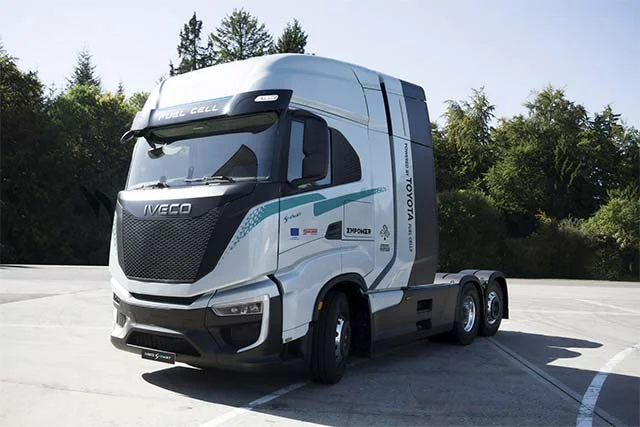
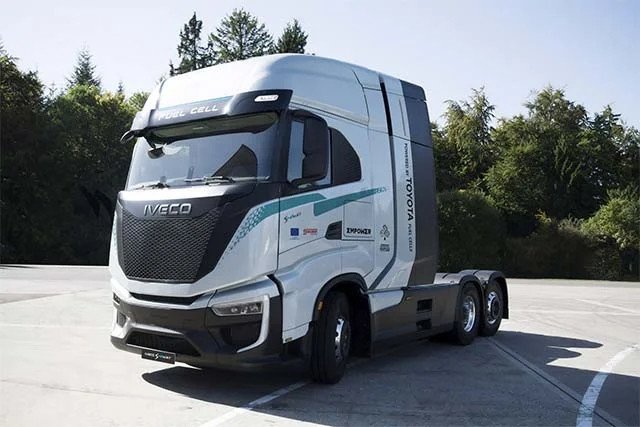
In a significant collaboration, Toyota and Iveco are pushing the boundaries of hydrogen fuel cell technology by developing the next generation of fuel cell electric trucks. This initiative aims to enhance range, efficiency, and durability for heavy-duty freight operations. While hydrogen fuel cells have long been touted for their potential, this partnership represents a critical step toward actualizing their promise in long-haul logistics.
The EMPOWER Initiative: Funding Zero-Emission Vehicles
The project is part of the EMPOWER initiative, which is funded by the EU and centers on advancing zero-emission heavy-duty vehicles. Combining efforts from various stakeholders, the initiative seeks to bridge the gap between current technologies and future needs, promoting a transition towards greener transportation methods. Under this partnership, Toyota will supply its latest hydrogen fuel cell technology, while Iveco takes the lead in vehicle development and integration.
As governmental policies worldwide encourage the adoption of cleaner technologies, EU funding plays a critical role. It not only offsets the financial burden of research and development but also aligns with broader environmental objectives. This multi-faceted approach towards clean energy solutions highlights how policy can shape industry trends.
Collaborative Trends in the Industry
This collaboration follows the recent announcement by Scania, which has also committed to integrating Toyota’s fuel cell tech into its trucks, reflecting a growing shift towards fuel cells in long-haul logistics. The trend indicates a broadening acknowledgment of hydrogen fuel cells as a suitable alternative to conventional battery systems.
It's significant that established manufacturers are making these investments, as they typically have the infrastructure and experience to scale effectively. With the freight sector under pressure to cut emissions, these partnerships may serve not just as collaborations but as a harbinger of widespread change within the industry.
IVECO S-eWay Fuel Cell: Key Specifications and Innovations
The new offering, the IVECO S-eWay Fuel Cell, marks a significant development from the initial hydrogen trucks built under the H2Haul project. It will feature an advanced fuel cell system providing a combined output of 300 kW, aimed at optimizing both efficiency and durability under demanding operational conditions. Given the pressures of urban freight logistics, this performance is poised to meet the stringent demands of a rapidly evolving market.
One of the standout improvements in this model is its anticipated range—it’s expected to achieve over 900 km (approximately 559 miles) on a single hydrogen refill. This is vital for long-distance operations, where reducing downtime is paramount. Fleet operators are increasingly focused on minimizing the time vehicles spend off the road, and improvements in range directly address these logistical challenges.
Durability is also a focal point, with both companies targeting over 25,000 operating hours for the fuel cell systems. Longevity in fuel cell operations is essential for commercial fleets relying on hassle-free transportation solutions. Frequent issues with existing electric truck batteries can lead to increased maintenance costs and operational inefficiencies. By aiming for extended lifespans, the partnership seeks to alleviate some of these challenges.
Advancements in Weight and Energy Management
Moreover, weight reduction has been prioritized alongside a simplification of vehicle architecture through a refined energy management strategy. Notably, the new truck’s battery capacity requirement has been halved compared to its predecessor, allowing for a greater share of energy needs to be met by the hydrogen fuel cell itself. This efficiency won't just translate into lower material costs but could also mean improvements in payload capacity, which is a central concern for fleet operators.
With decades of experience in fuel cell research, Toyota’s contributions are geared towards ensuring reliability and efficiency crucial for commercial use. The latest fuel cell systems are tailored to meet the rigorous demands needed in heavy-duty applications. Strong performance under real-world stresses will ultimately determine how these new models fare in testing and market acceptance.
The Potential for Hydrogen in Heavy-Duty Transportation
Hydrogen fuel cells could emerge as a viable alternative to heavy battery systems, particularly for long-haul trucking, where extensive energy requirements and quick refueling times are critical for fleet operators. The research indicates that hydrogen solutions may soon be able to compete effectively with batteries in terms of performance and operational costs.
The EMPOWER project looks to push this technology closer to fulfilling the operational and economic needs associated with large-scale transportation. It's not just about making cleaner vehicles; it's about making vehicles that get the job done effectively. If you're working in this space, you'd recognize that the stakes are high for meeting both environmental standards and delivery expectations.
Future Outlook: A Crucial Testing Phase Ahead
Testing and validation for this promising fuel cell truck is slated to begin in Q4 2026, with real-world road trials expected to launch in the first half of 2027. These trials will rigorously evaluate the truck's performance, efficiency, and reliability under actual operating conditions. This phase is critical and will heavily influence both market reception and future investment in hydrogen technologies.
Success in these assessments could pave the way for viable hydrogen trucks that meet the needs of the freight industry, marking a potential shift in how heavy-duty transport is approached. The combination of 300 kW power, an impressive range exceeding 900 km, and a life expectancy of over 25,000 hours positions the next-generation IVECO S-eWay Fuel Cell as a notable contender in the market. But, has the industry underestimated the complexity these implementations entail?
As this vehicle transitions from development phases to regular operations on public roads in 2027, the automotive landscape may shift significantly. That said, the performance of these hydrogen trucks could serve as a bellwether for future investments in hydrogen technologies—not just for trucking but across multiple sectors. This is more significant than it looks. The potential applications are vast.

Discussion
Sign in to join the discussion.