Car insurance groups in the UK influence premium rates based on vehicle risk, repair costs, and security features, with changes on the horizon.
The Significance of Car Insurance Groups
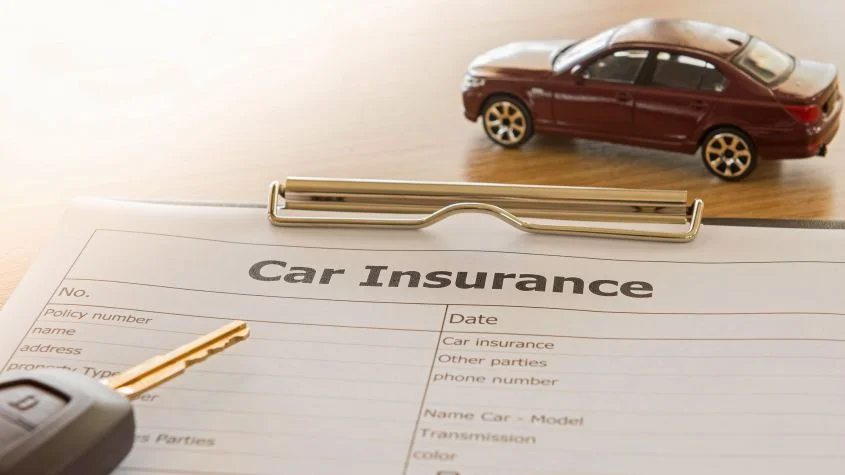
If you're a car owner, understanding your vehicle's insurance group is essential for budgeting your insurance premiums. These groups, which range from 1 to 50 in the UK, are utilized by insurers to assess the risk associated with a car. The lower the number, the less risk the insurer perceives, often resulting in lower premiums.
How Groups Are Determined
The Association of British Insurers (ABI) assigns these groups based on several criteria. Factors like the costs associated with repairs and the car's inherent safety features play pivotal roles in the classification process. Furthermore, historical data regarding claims informs the ABI's assessments.
Transition to Vehicle Risk Ratings
Beginning in September 2024, a new system called Vehicle Risk Ratings (VRRs) will gradually replace the traditional 1-50 grouping. This updated system will analyze vehicles across five categories of risk, providing a more nuanced understanding of insurance costs.
It's crucial to note that the existing group ratings will still apply to cars manufactured before the rollout of the VRRs, meaning a segmentation in the assessment based on the vehicle's production date.
Factors Affecting Individual Premiums
While the insurance group is a fundamental element in determining premiums, individual circumstances also significantly impact costs. Aspects such as your driving history, age, and even the area where you park your car will influence your final quote. Thus, even within the same insurance group, premiums can vary considerably based on personal risk factors.
Understanding the Rating Mechanism
Car models are divided into the insurance groups based on criteria that include repair costs and how effectively they perform in collision scenarios. The distinction between different trims and versions of the same model can lead to significant disparities in insurance group rating. For instance, high-performance variants typically attract higher premiums due to greater repair costs and risk.
Over the years, the insurance group system has evolved from a simpler 1-20 scale in the 1970s to the current 1-50 model, introduced in 2009 to allow for more granularity among different specifications.
Examining Specific Safety Features
Security and safety features can also have an impact on your car's insurance group. Vehicles equipped with advanced safety technologies, like autonomous emergency braking, can benefit from reduced insurance rates. On the other hand, cars with poor security ratings could see an increase in their insurance group.
For example, Thatcham Research, which partners with the ABI, evaluates a car's security profile. Cars that excel in security assessments may receive a lower insurance rating, directly affecting the associated premium.
How to Navigate Insurance Costs
Using an insurance group checker can help you determine where a particular car stands in terms of insurance costs. Knowing the group rating before purchasing a vehicle can offer insights into potential insurance expenses.
A broad understanding of the average insurance costs by group reveals that higher groups generally correlate to steeper premiums. Although you may find lower-cost vehicles, they can still be desirable models offering considerable value.
Common Misconceptions
It's critical not to assume that a lower insurance group equates to a vehicle being basic or uninspiring. Some of the best cars in their class also feature insurance groups that are low due to their affordable repair costs and strong safety records. Conversely, sportier models, even if categorically low, can attract high premiums due to their frequent involvement in claims.
Factors Beyond Insurance Groups
Insurers don’t always adhere strictly to ABI guidelines, as they apply their history and insights into pricing. Certain cars underscored with a young driver’s profile might carry additional costs due to statistical trends associated with that demographic.
It's wise to look beyond insurance groups when choosing your next vehicle. Exploring actual insurance quotes from multiple insurers helps paint a more accurate picture of potential costs.
Insight into Lower Insurance Groups
Typically, economical city cars and hatchbacks dominate the lowest insurance groups. Vehicles in groups 1 to 3, like the Kia Picanto or Hyundai i10, are appealing for their affordability and low running costs.
However, one shouldn't overlook that higher-performing versions of popular models can land in more expensive groups due to their specs and features. For instance, a standard Ford Fiesta may be rated in group 10, while its sportier variant could be as high as group 15.
High-End Luxury and Premium Models
At the other end of the spectrum, luxury vehicles and sports cars frequently occupy the highest insurance groups. Prices for insuring these models can skyrocket, reflecting both the value of the vehicles and the costs associated with potential repairs. Owners of high-end vehicles like a Bentley Bentayga or an Audi R8 are likely prepared for the elevated premiums that accompany ownership.
Future Considerations
The landscape of car insurance is poised for change, and understanding these dynamics now can help consumers make more informed choices. As the introduction of the VRR system unfolds, keeping abreast of these developments will be beneficial for both prospective buyers and current owners alike.
Ultimately, achieving a balance between purchasing a vehicle that suits your budget while also offering favorable insurance rates is achievable with thorough research and planning.

Discussion
Sign in to join the discussion.