Jaguar Land Rover and Stellantis are teaming up to explore a new pickup model designed to meet American consumer preferences.
Jaguar Land Rover's Shift Toward U.S. Preferences
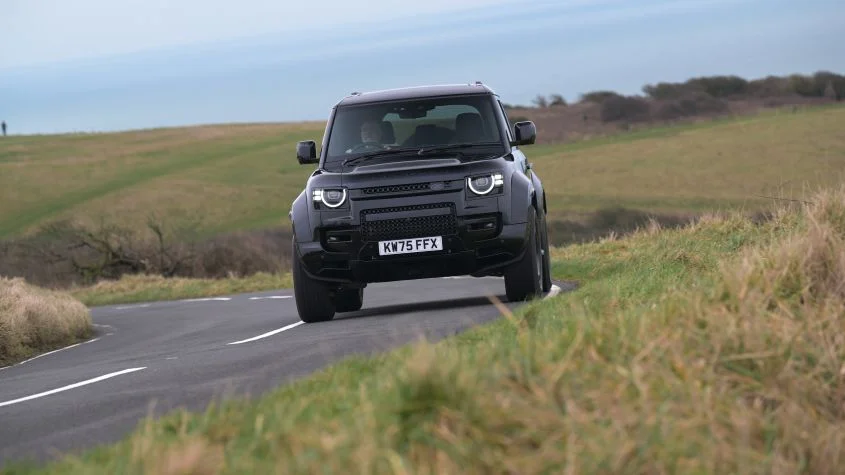
Jaguar Land Rover (JLR) is entering into discussions with Stellantis to create a vehicle specifically designed for the U.S. market. This decision reflects a notable shift in strategy as JLR seeks to tap into the robust American pickup segment. American consumers have shown increased interest in pickup models that are not just functional, but also capable of embodying lifestyle aspirations. With this collaboration, JLR aims to address those very demands, expressing a commitment to enhancing their footprint in the U.S. automotive market.
Partnership Details and Development Prospects
The collaboration began with a memorandum of understanding in May, a preliminary step that indicated both companies’ willingness to explore synergies. Since then, the discussions have intensified, suggesting a serious commitment to bring a new model to life. While specifics on design and technical features are still under wraps, the speculation points toward a pickup that may share its underpinnings with the Land Rover Defender platform. This decision is strategic, given that the Defender is a well-regarded nameplate, known for its rugged capabilities.
(and this is the part most people overlook) The Defender excels in both performance and versatility, but it’s crucial to evaluate how its dimensions stack against American pickups. In Europe, the Defender’s size can be categorized as large—however, when put side-by-side with the American full-size monsters dominating the market, it's somewhat downscaled. This size mismatch could present challenges in appealing to U.S. customers who are accustomed to larger trucks.
Exploring Alternative Platforms
Another angle in this partnership involves JLR leveraging its storied brand name along with Stellantis' platform, which would be optimized for American consumers. This could potentially allow for a transition to body-on-frame construction, which is a hallmark of American full-size pickups. Such a vehicle design would likely resonate more with what U.S. customers expect from a truck—durability, towing capacity, and the ability to handle rugged terrain. Thus, this strategy could enable JLR to align its offering more closely with consumer preferences.
The past collaboration between JLR and Chery in China offers a clear parallel for this initiative. In that case, Land Rover took charge of the design while Chery handled the engineering aspects. This division of labor not only streamlined production but also accelerated the vehicle's introduction to market. A similar model could work in the U.S., potentially speeding up JLR’s entry into the highly competitive pickup segment.
Statements from Leadership
Antonio Filosa, CEO of Stellantis, has articulated the benefits of partnering with other companies. He emphasized that such collaborations stimulate product and technology synergies that enhance customer offerings. This is no trivial matter in the contemporary automotive market, where technological sophistication is becoming more crucial than ever. On JLR’s side, CEO PB Balaji underscored how this partnership supports their long-term growth aspirations in the U.S., making it a vital component of their strategic roadmap.
Creating Opportunities Amid Challenges
This collaboration might prove particularly beneficial for JLR as it could offer a more straightforward pathway to manufacturing within the U.S. With the complexities and uncertainties introduced by recent trade policies, having a local manufacturing base could minimize potential logistics issues and tariffs that can inflate costs for foreign-manufactured vehicles. Simply put, creating a truck in the U.S. could provide JLR with agility in responding to market demands.
Broadening the Horizon: Future Implications
This partnership could extend beyond just the pickup truck. Future implications are significant, particularly regarding JLR's ambitions in the battery electric vehicle (BEV) space. Engaging with Stellantis could pave the way for the integration of JLR’s next-generation BEV architectures across Stellantis' luxury brands, including Maserati and Alfa Romeo. As the luxury automotive sector increasingly gravitates towards electrification, sharing advancements in high-end BEV technology becomes paramount for maintaining competitiveness. If you're working in this space, the cross-brand collaborations might offer new avenues for innovation, and staying attuned to these trends could position you ahead of the curve.
In summary, the collaboration between Jaguar Land Rover and Stellantis presents a uniquely opportunistic scenario within the automotive industry. It highlights a need for traditional automakers to adapt to shifting consumer preferences and creates a pathway for JLR to carve out a niche in the U.S. pickup market while laying the groundwork for further electric vehicle advancements. Whether this collaboration ultimately meets its ambitious targets remains to be seen, but the implications could be far-reaching.
Discussion
Sign in to join the discussion.