The McLaren Artura may be phased out after 2027 to make way for a new model, while the brand gears up to launch its first SUV amid significant investments.
McLaren Artura's Uncertain Future
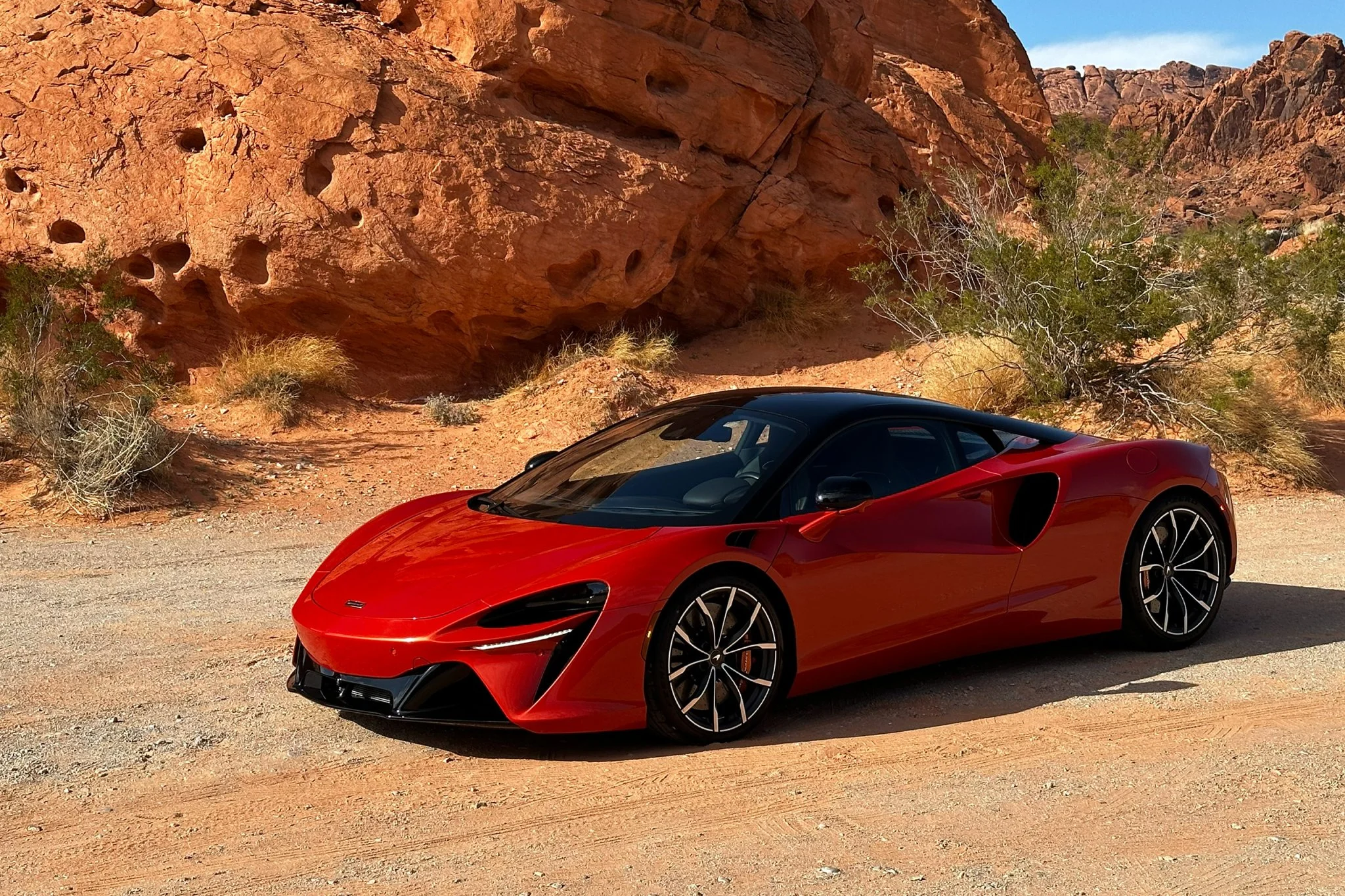
The future of the McLaren Artura seems precarious as insiders hint at a potential discontinuation after the 2027 model year. Launched in 2022, this V6 turbo-hybrid coupe has faced a series of hurdles since its introduction, from the widespread semiconductor shortage to quality control issues observed during initial media test drives. These challenges have significantly impacted the Artura's market reception, limiting its potential in an increasingly competitive space. Rumors are swirling that McLaren plans to replace the Artura with a new model, codenamed P34, but details about this successor remain scarce.
Shifting Focus: McLaren's First SUV
In tandem with the potential retirement of the Artura, McLaren has announced the ambitious development of its first-ever SUV. CEO Nick Collins has openly discussed plans to introduce this vehicle in a manner that remains true to the McLaren ethos. This commitment promises a distinctive entry into a crowded market, where brands like Ferrari and Lamborghini have already established footholds with vehicles like the Purosangue and Urus.
This move signals a significant shift in strategy for McLaren, reflecting a wider trend among luxury automakers. The SUV segment has proven lucrative—many manufacturers see it as a key to diversifying their portfolios and reaching a broader customer base. For McLaren, whose identity has been closely tied to high-performance sports cars, this transition might seem like a departure from traditional roots, aiming to capitalize on the growing appetite for luxury vehicles that combine performance with practicality.
Massive Investment Fuels Expansion
To support this new direction, a substantial $2 billion investment from Abu Dhabi-based L’IMAD will fund the SUV initiative along with several other projects. This funding aims to modernize McLaren's Woking Production Centre, upgrade its Composites Technology division, and, importantly, shift toward in-house engine manufacturing. Currently, McLaren sources its engines from Ricardo, but bringing production in-house could streamline operations and enhance control over quality and performance metrics. The decision to make this shift underscores a critical point: as competition intensifies, maintaining high standards is vital for survival.
Industry Trends: Electrification and Consumer Shifts
As McLaren repositions itself, the broader automotive industry is experiencing significant electrification trends. Manufacturers are rapidly adapting to evolving consumer preferences, which increasingly favor sustainable practices and innovative technologies. For example, Porsche is set to refresh its Cayenne Electric, incorporating features like enhanced color options and advanced massaging seats complete with integrated audio features. This move not only showcases state-of-the-art engineering but also reflects a deep understanding of customer desires. They've already opened pre-orders, with U.S. availability expected early in 2027.
However, not every automaker is adapting as swiftly. General Motors is grappling with setbacks stemming from heavy investments in electric vehicle technology that have left them uninvolved during the current hybrid boom. With hybrid sales skyrocketing, GM finds itself constrained, relying on the Corvette as its sole hybrid offering. This scenario brings to light a significant dilemma across the industry, as automakers reconsider their strategies to align with consumer demands that are quickly shifting towards efficient and versatile options.
The Competition: New Entrants and Branding Moves
At the same time, Volkswagen is making strides with the introduction of the ID 3 GTI, which features the brand's first rear-driven powertrain. Although marketed as a continuation of the GTI legacy, critics view it more as a branding exercise rather than a groundbreaking innovation. With a competitive performance profile boasting about 322 horsepower and 402 lb-ft of torque, it's leveraging the nostalgia and loyalty associated with the GTI name while entering the electrified performance segment. This trend shows how brands are testing the waters of electrification, but the question remains: will consumers buy in, or will they demand more substantial advancements?
Regulatory Environment: Tesla Under Scrutiny
In regulatory news, the National Highway Traffic Safety Administration (NHTSA) is taking a closer look at Tesla’s self-certification process for its Cybercab, set for deployment by September 30. This scrutiny reflects heightened focus on operational safety features and speed limitations for autonomous vehicles. The regulatory environment is changing, becoming a key factor that companies can't afford to ignore if they're to succeed in this complex landscape.
The Bittersweet Wave of Classic Reimaginings
Interestingly, while Porsche isn't releasing new models of its classic cars, it has approved the production of an 80% scale replica of the storied 550 Spyder. This version comes with an electric motor, priced around $94,000, yet it’s not street-legal—an ironic twist that makes one wonder about the balance between nostalgia and modern sensibilities.
Future Outlook: Navigating a Transformative Era
As the automotive sector undergoes transformative shifts driven by investment and innovation, McLaren's strategic plans may play a pivotal role in determining its standing in this rapidly changing marketplace. The introduction of new models, particularly in the SUV category, will need to be more than just a response to market trends; it should authentically reflect McLaren’s legacy of performance and engineering excellence. If you're working in this space, it's essential to watch closely how these decisions unfold; they could very well signal the broader direction for luxury automakers grappling with tradition and modern demands.
Discussion
Sign in to join the discussion.