Volvo's new XC60 and XC90 plug-in hybrids offer impressive electric ranges of 78 and 73 miles, setting a new standard in the segment.
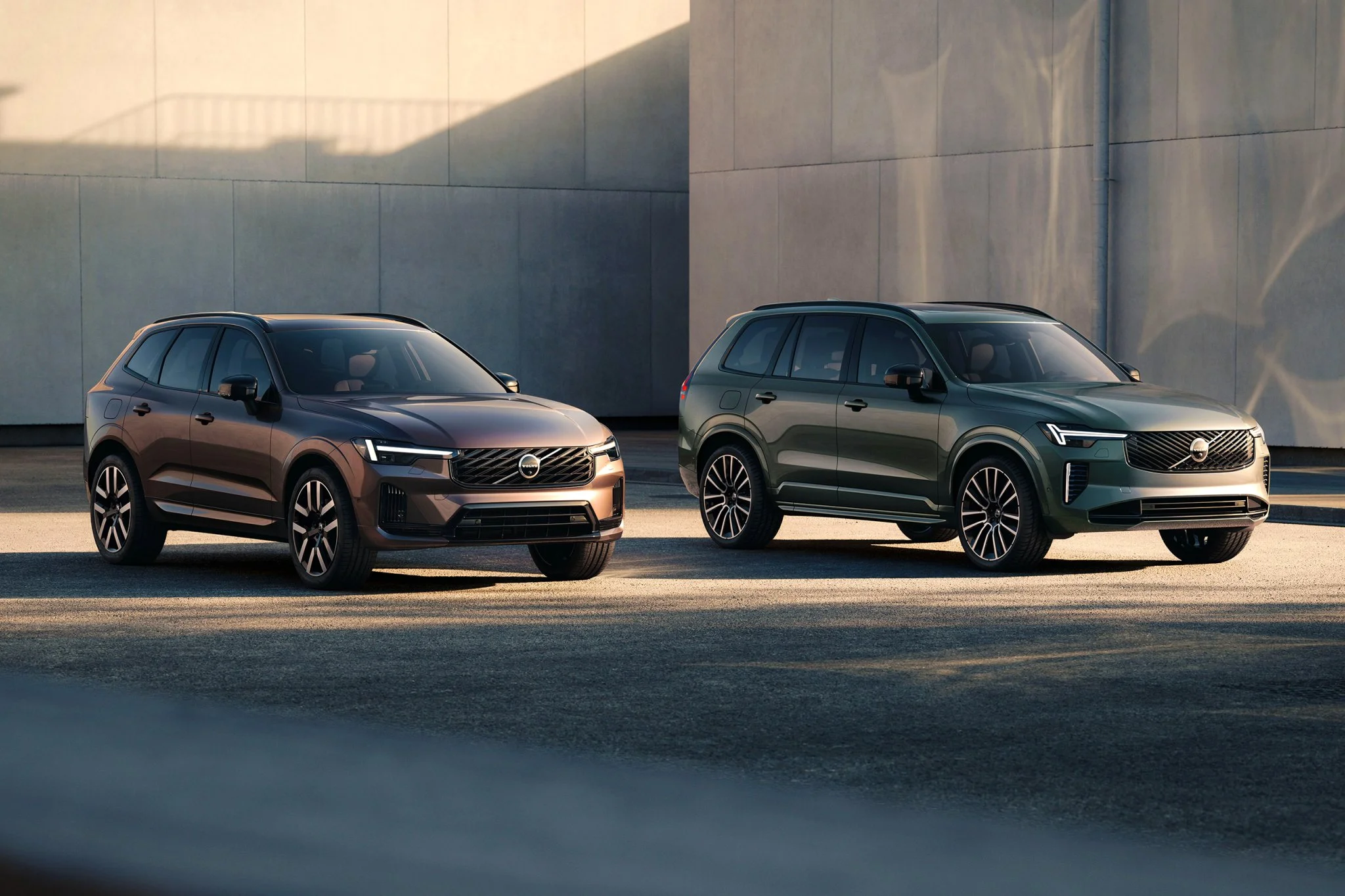
Plug-in hybrids have often faced skepticism, primarily due to their perceived inefficiency when the battery range is exhausted. This view has been prevalent among environmentally conscious consumers and traditionalists alike. The rationale typically hinges on the concern that, without a sufficient charge, these vehicles revert to less-efficient internal combustion engines, undermining their benefits. However, for those who consistently plug in, they can offer substantial advantages. Volvo’s refreshed XC60 and XC90 plug-in hybrids now deliver significant all-electric ranges of 78 miles and 73 miles, respectively, making them noteworthy contenders in the market.
Significant Electric Range Improvements
These new figures overshadow the previous record held by the Mercedes GLC, which offered only 54 miles of electric range. The leap in electric capability from Volvo's previous models highlights the strides automakers are making in battery technology. Earlier iterations of the XC60 and XC90 could only manage 32 to 35 miles on a full charge — a performance many found inadequate for everyday needs. Back in 2020, many electric vehicles were struggling to achieve 100 miles, showcasing how far we’ve advanced in just a few years. Today's standards are evolving, and consumer expectations are rising as technology progresses.
The recent advancements in battery technology are at the heart of these improvements. Both the XC60 and XC90 now sport a 38 kWh battery, a substantial increase from the previous 15 kWh. Such a jump isn’t just numbers on paper. It reflects a concerted effort by manufacturers to meet consumer demand for longer electric ranges while also improving overall vehicle performance. While the total system output remains at an impressive 455 horsepower, the enhancements in battery and motor efficiency demonstrate that automakers can deliver both power and sustainable energy use.
Design and Aesthetic Evolution
While the XC60 has seen a few exterior changes, they might go unnoticed unless you're well-acquainted with the previous model. The alterations include a redesigned front bumper, hood, and headlights, along with a cleaner integration of the tailgate and taillights. It’s an aesthetic evolution rather than a dramatic overhaul, signaling Volvo’s focus on refining its offerings without straying too far from its established identity. This subtle approach can engage loyal consumers who prefer familiar design cues while still incorporating modern touches.
Inside the XC60, the updates are subtler, with a new dashboard and door panel design that won't drastically change the driving experience but aims for improved ergonomics and style. Interior comfort and user experience are paramount in today’s SUV market, especially as consumers increasingly demand technology that enhances convenience and safety. It includes Volvo's latest safety technology, which features alerts for cyclists and a 360-degree camera that generates a 3D view of the surroundings—definitely a plus for urban driving. Such enhancements speak to Volvo’s commitment to safety, a cornerstone in their brand ethos.
Broader Market Context and Consumer Trends
The XC90 has fewer updates this year, having received attention last year. However, both SUVs stand out due to their increased electric ranges, appealing to a growing number of consumers seeking to reduce fuel expenses amidst rising gas prices and geopolitical tensions affecting oil supply. In recent years, consumers have become more price-sensitive due to fluctuating fuel costs and the pervasive affordability issue surrounding electric vehicles. The longer electric ranges offered by these models make them more attractive to those previously hesitant to transition from traditional gas-powered automobiles.
The mild hybrid variants, including the unique supercharged and turbocharged B6 powertrain for the XC90, are also available for those not yet ready to go fully electric. This strategy might resonate with drivers who are cautious of fully committing to electric vehicles but still desire improved efficiency. By offering a gradual transition through hybrids, manufacturers provide consumers with a flexible path toward electrification.
Implications and Future Outlook
Here's the thing: as plug-in hybrids gain traction, they could play a significant role in the larger shift toward electric mobility. The clear trajectory we're observing is a response to both consumer demand and regulatory pressures. While purists may argue against hybrids, it’s these transitional technologies that could bring more drivers into the electric fold. If you're working in this space, you'll want to keep a close eye on how automakers balance performance and efficiency moving forward.
A deeper analysis reveals that as manufacturers continue to enhance plug-in hybrid capabilities, the landscape will shift. Increased electric range could ultimately prompt more consumers to consider hybrid options as their main vehicles. Volvo's XC60 and XC90 models are prime examples of this trend, showcasing how advanced technology can change the perceptions around hybrid vehicles. As competition in this category heats up, you can expect other manufacturers to follow suit, further pushing the envelope on electric range, performance, and the overall driving experience. This momentum might gradually shift the skepticism surrounding plug-in hybrids and reshape the market in unexpected ways.
Have insights or comments? Share them with us at [email protected]
The post Volvo Raises the Bar with PHEVs Offering 70+ Miles of Electric Range appeared first on The Drive.

Discussion
Sign in to join the discussion.