GM’s new 2027 V8 Silverado and Sierra trucks will use digital oil level gauges instead of the conventional dipstick, sparking debate among truck enthusiasts.
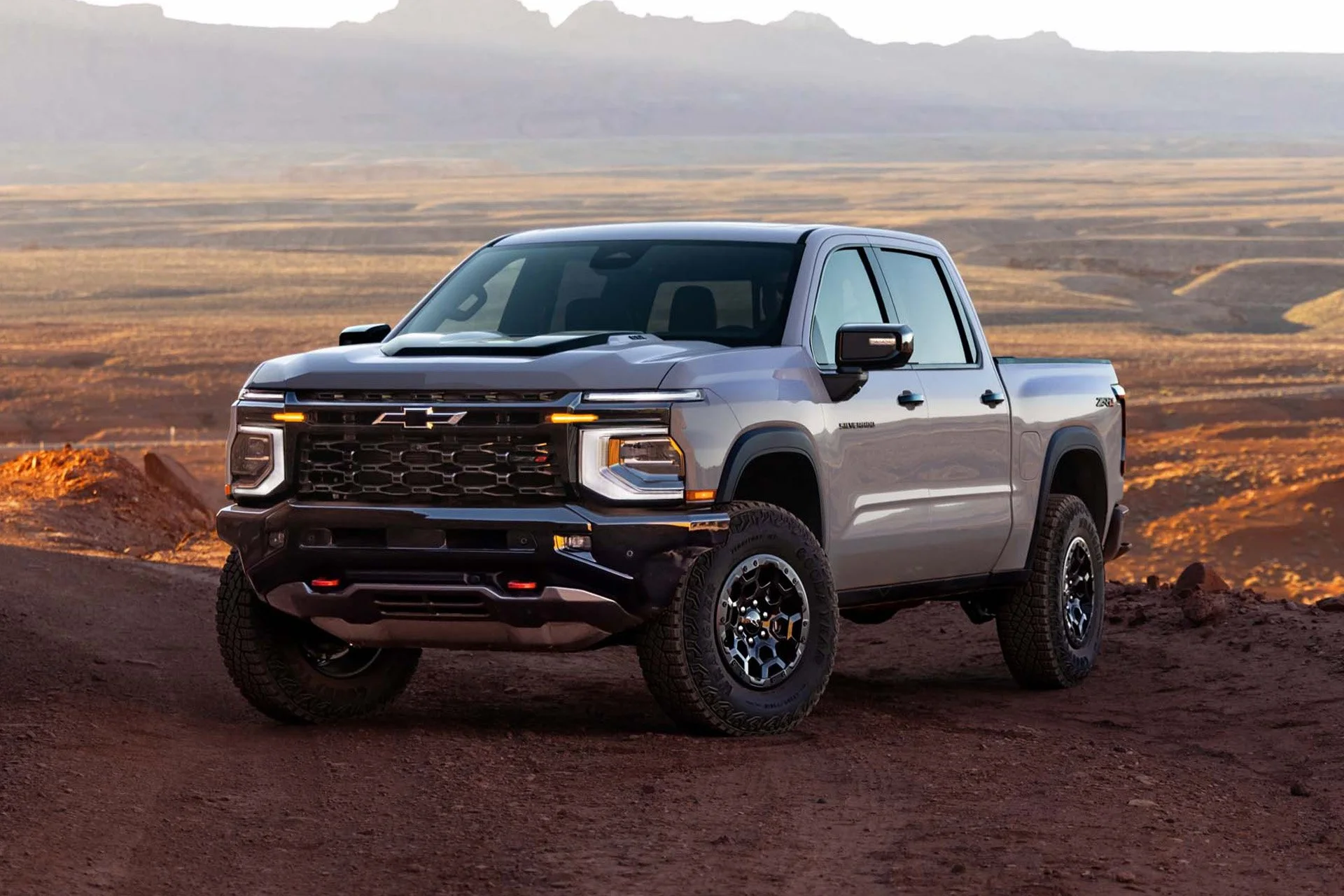
General Motors has stirred discussions in the trucking community with its unveiling of the 2027 Chevrolet Silverado and GMC Sierra. These models introduce two new V8 engines: a 5.7-liter and a 6.6-liter. While many traditionalists welcomed the return of V8 options amid a trend toward turbocharged six-cylinders in full-size pickups, the omission of a physical oil dipstick from these trucks may ruffle feathers.
The Shift to Digital: An Overview
The automotive industry has seen a clear push toward digitization in recent years. Manufacturers are increasingly favoring digital systems, citing advantages such as precision, real-time monitoring, and reduced mechanical complexity. The Silverado and Sierra models exemplify this shift with their replacement of the traditional oil dipstick with a digital oil level readout. According to The Verge, GM's official stance confirms that neither V8 engine will come equipped with a dipstick directly from the factory. Instead, the readout will be monitored through an electronic system, designed to streamline operations and provide a modern user experience.
Traditionalists vs. Modern Solutions
This shift resonates deeply within the truck community, which has long valued the accessibility and reliability of traditional mechanical systems. The conventional dipstick isn’t just a tool; it symbolizes the DIY ethos embraced by many truck enthusiasts who prefer hands-on maintenance. With competitors like Ram also following suit by omitting dipsticks from their inline-six engines, the trend towards removing such basic features represents more than just a technological update— it’s a reflection of changing consumer expectations and manufacturer priorities.
Modernity brings its own set of challenges. For instance, customers who enjoy the tactile act of checking their oil might feel alienated by digital alternatives. A simple yet essential task has now become reliant on electronics, which can be seen as an unnecessary complication, especially for those who appreciate straightforward design. (and this is the part most people overlook) The psychological impact of shifting control from the driver to a digital interface might provoke resistance among traditionalists, who may view this as a move toward over-engineering. Are we sacrificing user experience for perceived innovation?
Historical Context: GM's Approach to Digitalization
General Motors has a history of integrating digital solutions into their vehicle offerings. The company has experimented with replacing various physical controls with touchscreen interfaces, as seen in recent models like the Chevy Colorado and GMC Canyon—both of which lack a dedicated headlight control. The rationale can be layered with a desire to reduce manufacturing costs, streamline assembly, and appeal to a younger, more tech-savvy demographic. However, this strategy brings with it the risk of alienating a core segment of the customer base that values the simplicity and reliability of traditional controls.
The absence of tactile feedback and the reliance on screens can also create potential safety concerns. If you're working in this space, consider that drivers may find it distracting to take their eyes off the road to check a touchscreen, especially when they’re in an environment that demands concentration. Focusing on screens over physical controls can lead to a less intuitive user experience, making routine checks more cumbersome than necessary.
The Digital Gauges Debate
Expectations surrounding digital gauges and their accuracy are varied. While many vehicle owners may trust digital readouts for their consistency, there remains an unease about their long-term reliability. Traditionalists argue that mechanical dipsticks are simpler and time-tested, while proponents of digital systems advocate for their precision and ability to provide real-time data. The reliance on electronics introduces variables like software glitches or sensor failures—issues that could complicate what should be a straightforward maintenance task. This concern doesn't just sit on an emotional level; it taps into practical considerations regarding longevity and the health of the vehicle's engine.
Implications for Future Truck Designs
The move away from mechanical tools raises questions about the future of vehicle design and consumer preferences. As automakers expand their digital offerings, we might witness an accelerating trend that favors technology over tactile feedback. This could lead to a more homogenized experience across brands, leaving fewer options for those who prefer traditional features.
This transition might also catalyze owners' engagement with technology, albeit with a caveat. As consumers grow accustomed to integrated systems, their expectations will shift accordingly. The dialogue between manufacturers and consumers is essential here. Will automakers listen to feedback, or will the pursuit of tech sophistication continue to overshadow conventional preferences? That said, if sales figures reflect a lack of enthusiasm for these changes, it could prompt companies like GM to reassess their strategies.
In the end, the absence of a dipstick is a small but telling change that could reflect broader shifts within the automotive sector. As manufacturers like GM adapt to these trends, it raises several questions for potential buyers and the direction of vehicle design itself. There's no denying that the digital age is here, but how it impacts the heart of truck culture remains to be seen.
Have insights or questions? Reach out via email: [email protected]
The post GM Replaces Traditional Dipstick with Digital Measurement in New V8 Trucks appeared first on The Drive.

Discussion
Sign in to join the discussion.