BYD's Formula S series features new electric sedan and GT models starting below $29,000, directly challenging the Tesla Model 3 and Xiaomi SU7.
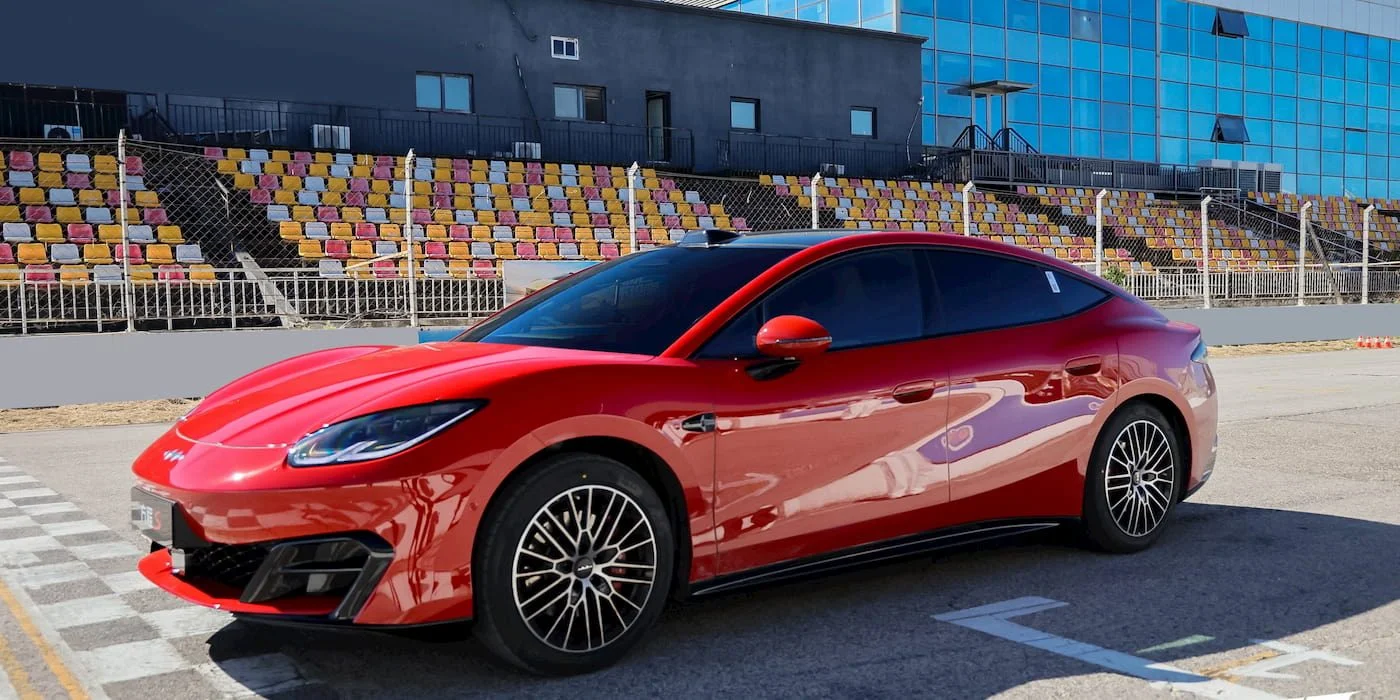
The newly unveiled Formula S series from BYD presents a competitive electric vehicle option, beginning at under $29,000. This price significantly undercuts the Tesla Model 3, marking BYD's strategic push into the mainstream sedan market.
Formula S Series Overview
Launched under BYD’s Fang Cheng Bao (FCB) sub-brand, the Formula S includes both a sedan and a Grand Touring model. This is a noteworthy expansion for BYD, which has primarily focused on rugged SUVs and off-road vehicles within its FCB lineup, known for models like the Bao 8 and Bao 5. BYD's pivot toward sedans speaks to a broader recognition of changing consumer preferences, as many buyers are now looking for electric alternatives that offer performance without sacrificing practicality.
These new offerings are intended to compete directly with popular electric sedans such as the Tesla Model 3 and Xiaomi SU7, which dominate the market in China. The competitive pricing alongside advanced technology might prove a disrupting force in a segment that has been traditionally led by Tesla. And considering that many consumers are still weighing affordability against technology features, BYD’s strategic positioning could give it a noticeable edge.
Pricing and Variants
The Formula S series consists of 5 distinct configurations: three sedan variants and two GT models, with prices ranging from 189,900 yuan to 239,900 yuan (approximately $28,000 to $35,000). They’re all infused with BYD’s latest Blade Battery technology and Flash Charging capabilities, enhancing their appeal. For the value-conscious consumer, these offerings provide a tempting alternative in both price and specifications.
The base rear-wheel drive (RWD) Formula S sedan offers a CLTC range of up to 466 miles (750 km) for 189,900 yuan. For a long-range RWD version, the price is 209,900 yuan, with a CLTC range extending to 559 miles (900 km). The all-wheel drive (AWD) option starts at 229,900 yuan while delivering a range of 453 miles (730 km). This means that BYD is catering to a wider audience by ensuring various price points and performance specifications are available.
Meanwhile, the Formula S GT is available in both RWD and AWD configurations, featuring ranges of 850 km and 730 km, respectively, starting at 219,900 yuan and 239,900 yuan. The differentiation in battery range across models could appeal to various driving needs, from daily commutes to longer road trips, showing BYD's tactical comprehension of its consumer base.
Features and Performance
All Formula S models come loaded with advanced driving features, including BYD’s God’s Eye B driver assistance system, which encompasses high-speed navigation on autopilot alongside comprehensive parking solutions. This level of automation suggests a strong emphasis on user-friendly technology, which buyers increasingly seek. Users can choose between the DiSus-A or DiSus-M intelligent body control systems, adding a personal touch to handling, whether they prefer a sportier ride or a more comfortable experience.
Notably, the flash charging technology enables these vehicles to charge from 10% to 70% in just 5 minutes and achieve 97% charge in about 9 minutes, making them practical for daily use. This is significant because quick charging can be a major selling point for electric vehicle buyers who value convenience. Inside, the vehicles boast premium amenities, such as wraparound ambient lighting, sports seating, an augmented reality heads-up display, and even a smart refrigerator. These features suggest BYD is targeting a segment of the market that desires luxury and comfort, along with cutting-edge technology.
Specifications and Market Position
Dimensions-wise, the Formula S sedan is marginally larger than the Model 3, measuring 5,060 mm in length, 1,967 mm in width, and 1,483 mm in height, with a wheelbase of 2,960 mm. The GT variant is 5,025 mm long, positioning both models favorably in the market. This slight increase in size can provide additional space for passengers and cargo, further enhancing consumer appeal.
For context, the Tesla Model 3 starts at 235,500 yuan ($35,000) and offers a lower range of 394 miles (634 km) for the RWD version. The long-range variant begins at 259,500 yuan, reaching a range of up to 515 miles (830 km). Comparatively, not only does the Formula S outprice the Model 3, but it also offers competitive performance metrics that are on par with Tesla's offerings—though the true test will come from consumer adoption and satisfaction.
It remains uncertain whether BYD will launch the Formula S series internationally. However, the company has begun offering FCB models in markets like the UK and Europe, showcasing a commitment to expanding its global footprint. If you're working in this space, BYD's move could signal the beginning of intensified competition in the EV market, especially as consumers become increasingly discerning in their choice of electric alternatives.
Future Outlook and Implications
The Formula S series is positioned at a critical juncture for both BYD and the electric vehicle sector as a whole. As automakers compete for market share, the Formula S could set new benchmarks for pricing and technology that might force rivals to adjust their strategies. A potential ripple effect may occur, with other manufacturers being pressured to innovate in both performance and price points to maintain their market positions.
This is more significant than it looks. If BYD successfully captures a sizable chunk of the market with the Formula S series, it could lead to broader shifts in consumer behavior towards electric vehicles. Gaining traction in overseas markets will be another significant challenge, but BYD's brand recognition in Asia could serve as a springboard for increased international presence. Whether BYD emerges as a household name in electric sedans remains to be seen, but the groundwork is clearly being laid.
Discussion
Sign in to join the discussion.