NYC's new electric school buses integrate an innovative overhead charging system, promising cost savings and reduced disruption for fleet electrification.
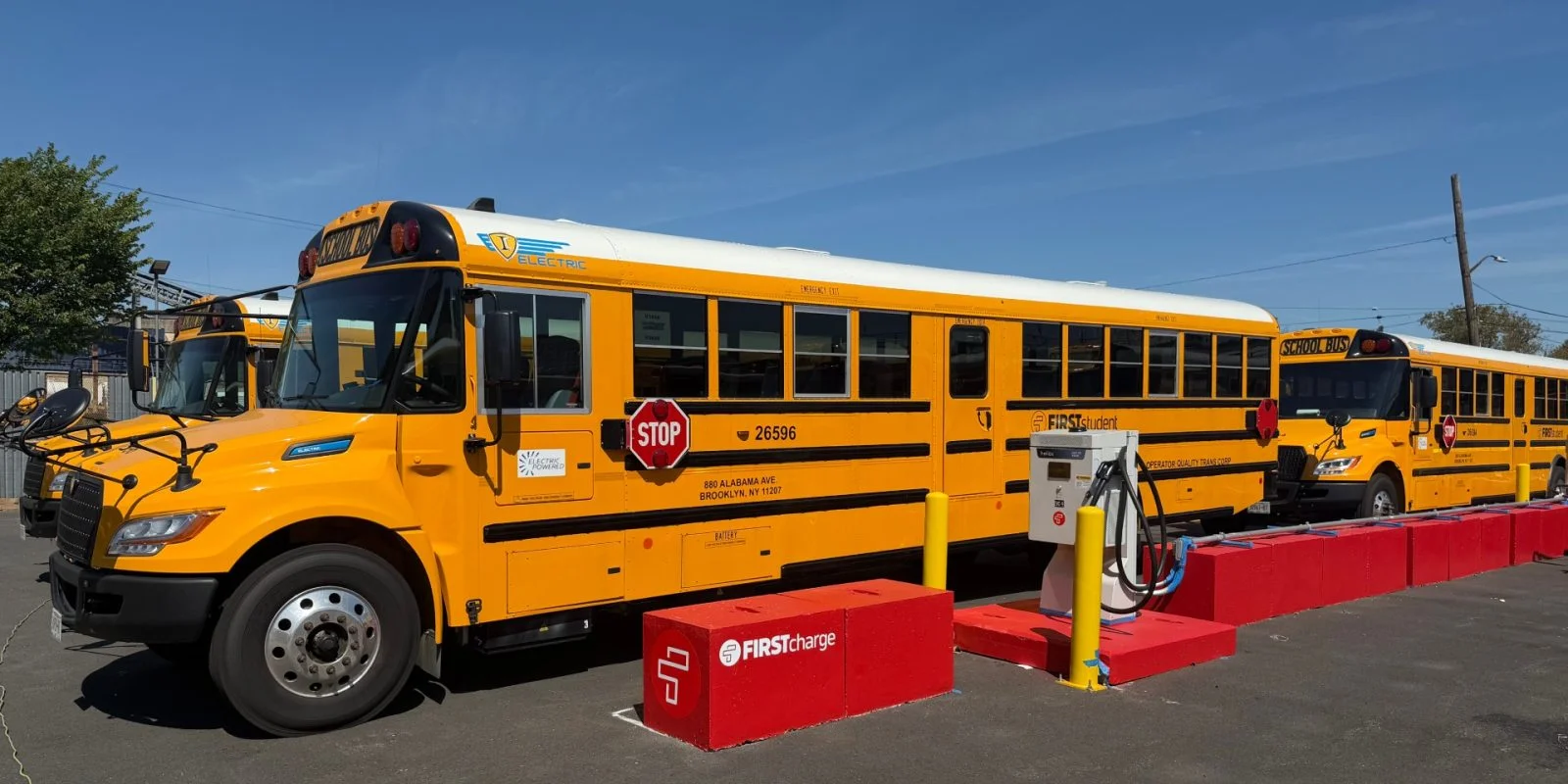
First Student is expanding its fleet in New York City by introducing 40 electric school buses, an initiative made feasible by a newly developed, cost-effective charging infrastructure. This expansion comes after the successful completion of a project that demonstrated a 20% reduction in installation costs compared to traditional methods. With rising concerns over environmental sustainability and air quality, the shift to electric buses represents a significant stride in urban transportation.
The Necessity of Clean Energy Transportation
In recent years, urban areas have faced increasing pressure to reduce emissions and improve air quality, particularly in neighborhoods with heavy traffic and pollution. The introduction of electric school buses isn't just a bold move for First Student; it's part of a larger trend toward sustainable transit options in public transportation. School bus emissions contribute to the overall air quality issues affecting millions of urban residents, particularly children, whose developing lungs are more sensitive to pollutants. By switching to electric vehicles, First Student is not merely modernizing its fleet; it's tackling an urgent public health concern head-on.
First Charge: The Innovative Charging System
At the core of this initiative is First Charge, First Student’s above-ground charging system. Unlike conventional methods that require digging trenches to install electrical cables underground, First Charge employs an overhead cable system. This method not only curtails construction expenses but also accelerates installation, making it a more efficient option for urban environments. Traditional digging can lead to prolonged disruptions, traffic delays, and additional costs. By representing a more agile and less intrusive installation process, First Charge could set a new standard for urban charging infrastructure.
Vicki Kuo, the Senior Vice President of Customer Energy Solutions at Con Edison, emphasized the significance of this strategy: “Eliminating the need to bury the service line to these chargers lowers the upfront costs for First Student and is a strategy that other fleet owners can replicate to save money and complete projects more quickly.” This is critical because, in order for electric buses to gain traction on a broader scale, scalable solutions like First Charge need to become the norm, not the exception.
Addressing Urban Challenges
This approach could prove invaluable in cities like New York, where typical construction methods are costly and complicated due to existing infrastructure. The funding for the original project has been supported by Con Edison and the New York State Energy Research and Development Authority (NYSERDA), which awarded six electric school bus vouchers through its School Bus Incentive Program. Additionally, funds were allocated for converting four diesel-powered buses to electric. This coordinated strategy underscores a collaborative effort amongst utility companies and state agencies to encourage sustainable transportation.
Another noteworthy aspect of this project is its application of load-management software. By charging the buses during off-peak hours, the initiative aims to optimize energy costs while easing grid pressure. For a sizable fleet of school buses, synchronizing charging times is crucial for managing expenses effectively. Here’s the thing: effective load management doesn’t just save money; it also enhances grid reliability. This result is especially valuable in cities with high energy demands, where power outages can impair transportation and daily life.
Kevin Matthews, who leads electrification efforts at First Student, noted, “Deploying electric school buses at scale requires more than vehicles; it requires the right infrastructure, technology, and utility partnership. Working with Con Edison, we’ve demonstrated a more efficient approach that can help overcome some of the cost and construction challenges that have traditionally made fleet electrification difficult in dense urban environments.” Such partnerships may become the blueprint for other cities, as municipal transportation projects increasingly look for ways to integrate electric options while avoiding the headaches of traditional construction.
Future Directions and Legislative Support
Looking ahead, First Student is also exploring additional clean energy initiatives for its facilities in Brooklyn, such as solar energy installations and a smart energy hub, to further enhance its sustainability profile. This holistic approach positions First Student not merely as a bus operator, but as a significant player in the ongoing transition to a sustainable energy ecosystem. You can’t separate the vehicles from their energy sources, and this initiative signals an understanding that future urban transport must consider the entire energy supply chain.
In a significant move towards cleaner transportation, New York State has mandated that all new school buses purchased by 2027 be zero-emission, with a complete transition to zero-emission buses on the road by 2035. This regulatory environment underscores the urgency and importance of projects like this one in shaping the future of school transportation. The pressure from legislation, combined with initiatives like First Student's, creates a fertile ground for innovation that could ripple through the entire public transport sector.
Implications and Outlook
The implications of First Student’s initiative extend beyond mere numbers. If you're working in this space, consider what this means for the future of urban transportation. Projects like this challenge legacy systems and illustrate the potential for growth in electric renewable energy. Similar systems typically face pushback due to costs and logistical challenges, but First Student’s example could shift the conversation. As urban centers strive for greener policies, the adoption of sustainable technology may accelerate, compelling other regions to reconsider their transit strategies.
Read more: Colorado’s largest electric school bus fleet gets a 26-plug charging hub

Discussion
Sign in to join the discussion.