Volvo’s new XC60 and XC90 PHEVs offer up to 78 miles of electric range, surpassing competitors and making strides toward an electrified lineup.
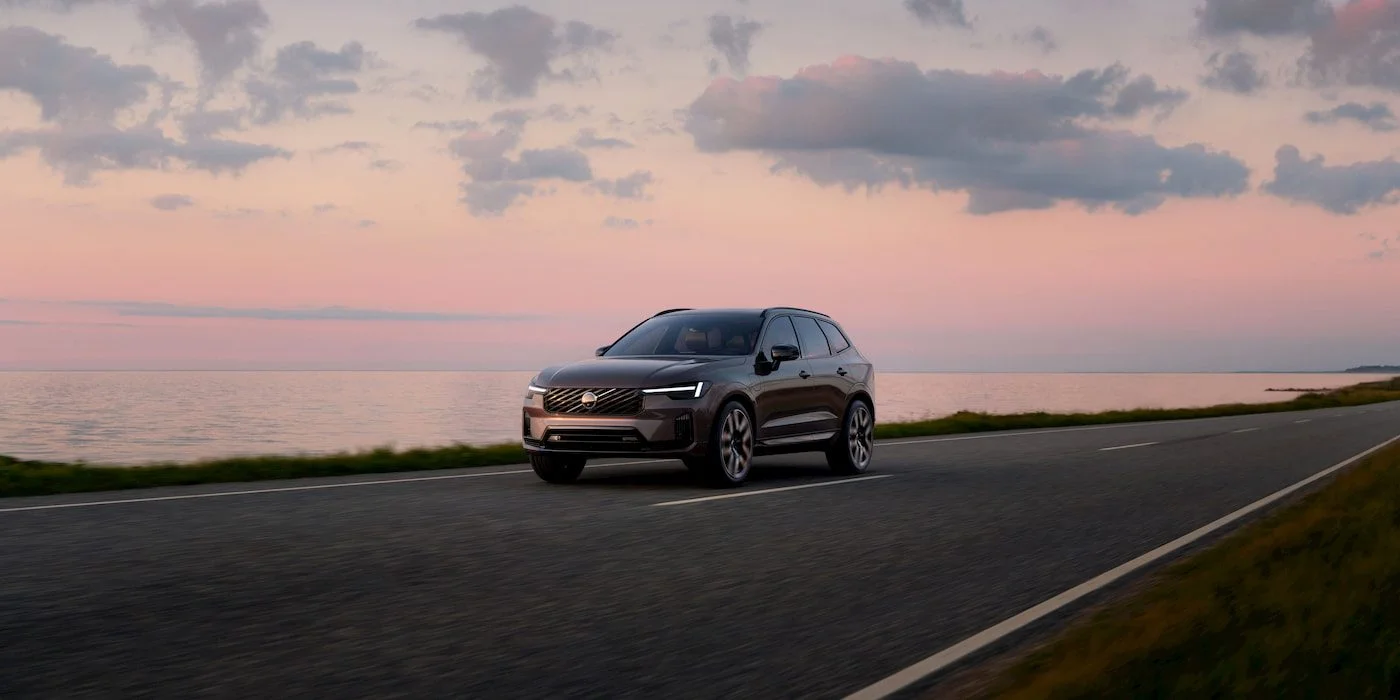
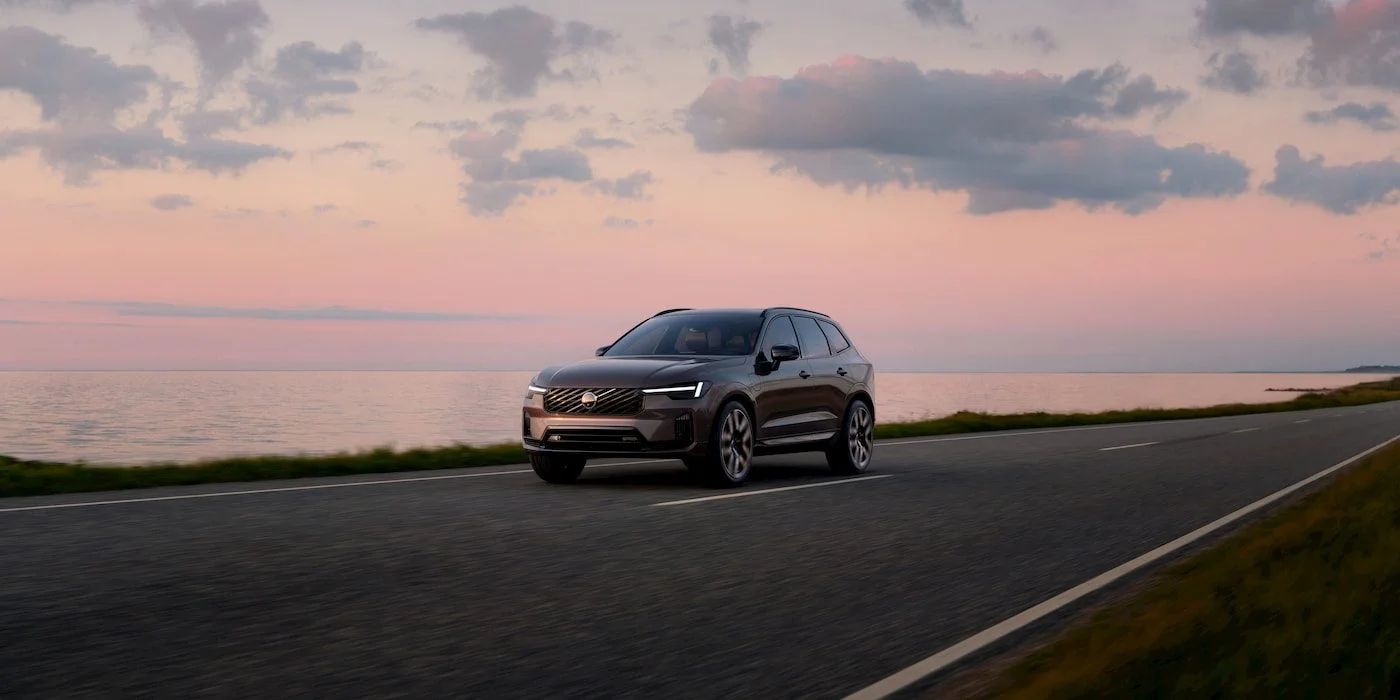
Volvo has officially unveiled its latest long-range plug-in hybrid electric vehicles (PHEVs) with the new XC60 and XC90, positioning them as the longest-range PHEVs available in the U.S. market. With electric driving ranges of up to 78 miles for the XC60 and 73 miles for the XC90, these models significantly outperform their predecessors.
Overview of the New Models
Volvo’s introduction of the XC60 and XC90 hybrids marks a strategic enhancement to its product lineup, a pivotal move as the automotive industry pivots towards electrification. The jump in electric driving range is made possible through the installation of a larger 41.2 kWh battery—an expansion more than double the capacity of existing PHEV models. This alteration suggests Volvo is not just keeping pace but aiming for leadership in the plug-in hybrid segment.
Considering competitors like the Toyota RAV4 PHEV, which boasts an EPA-rated range of about 54 miles, Volvo's new offerings place it a step ahead. Such a substantial range difference could attract eco-conscious customers who are understandably sensitive about range anxiety—a persistent concern for any plug-in hybrid owner.
Enhanced Features and Capabilities
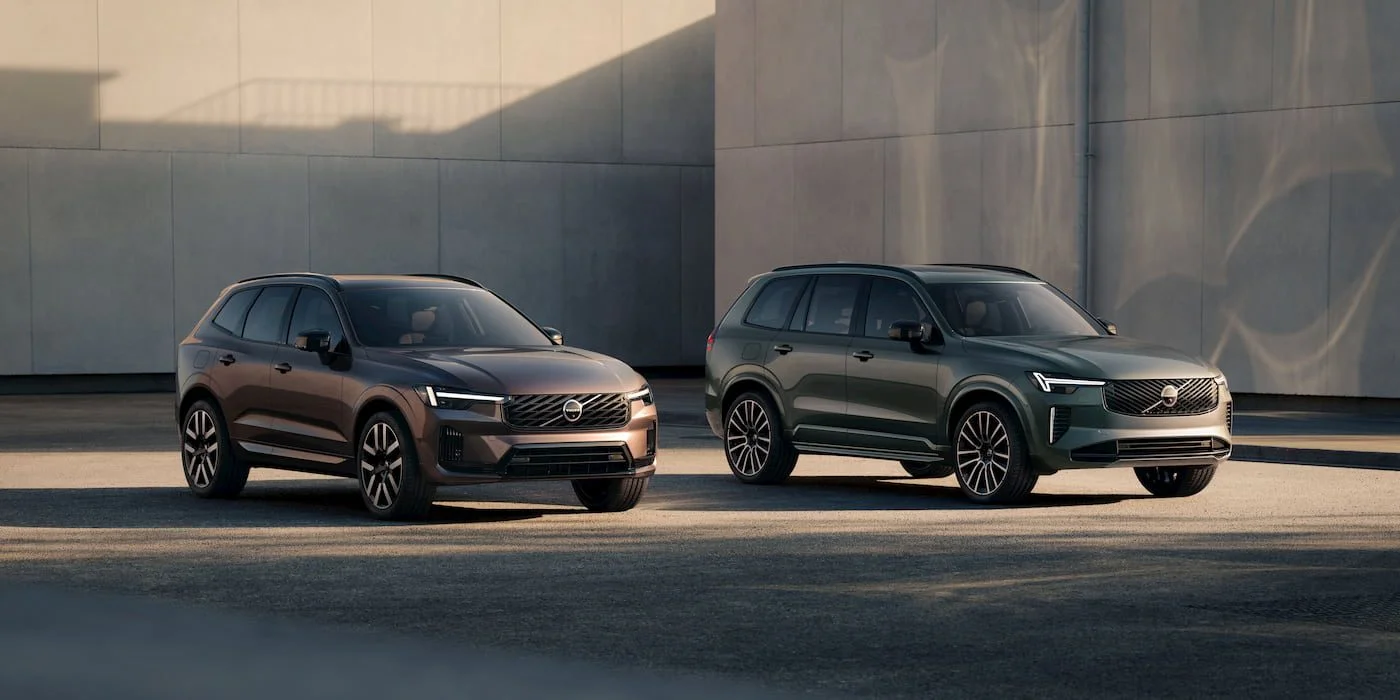
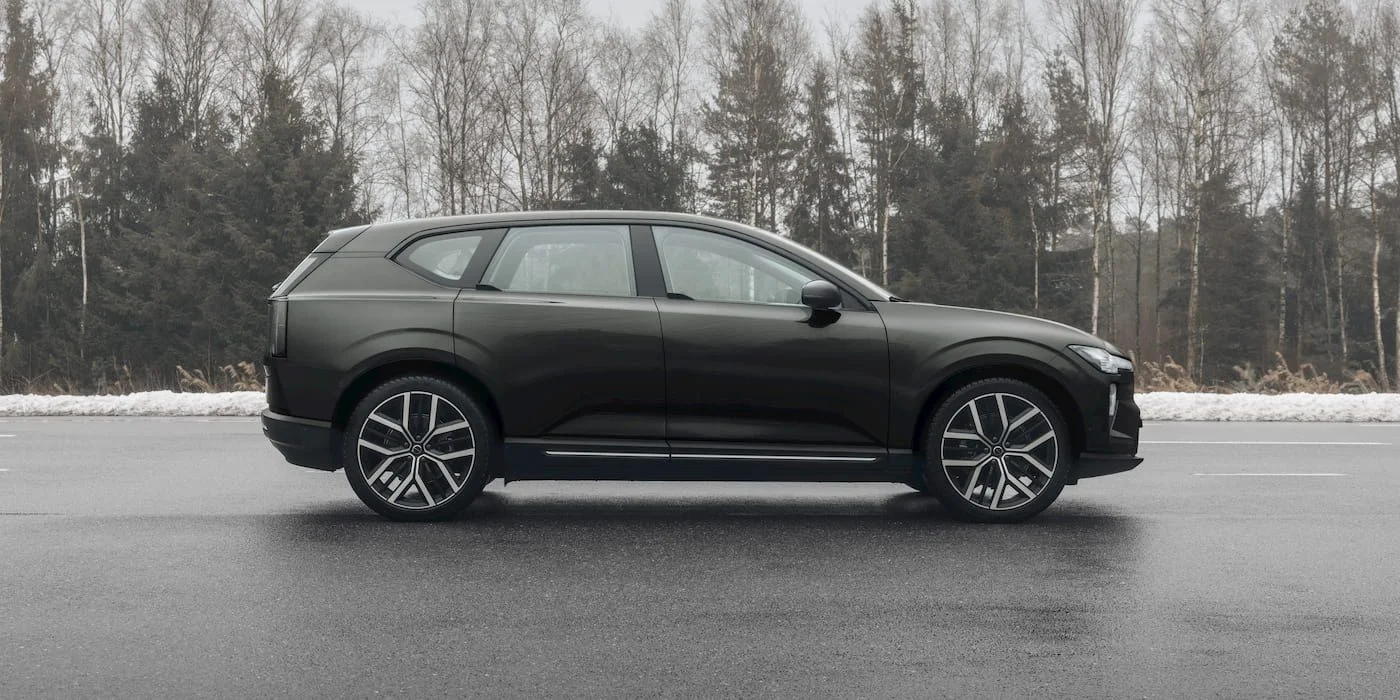
Beyond the impressive range, the XC60 and XC90 are equipped with updated aesthetics and interiors that reflect a modern driving experience. Known as Volvo's best-selling model, the XC60's refreshed exterior showcases a more contemporary vibe, featuring the brand's iconic Thor’s Hammer LED headlights that have become synonymous with Volvo's identity.
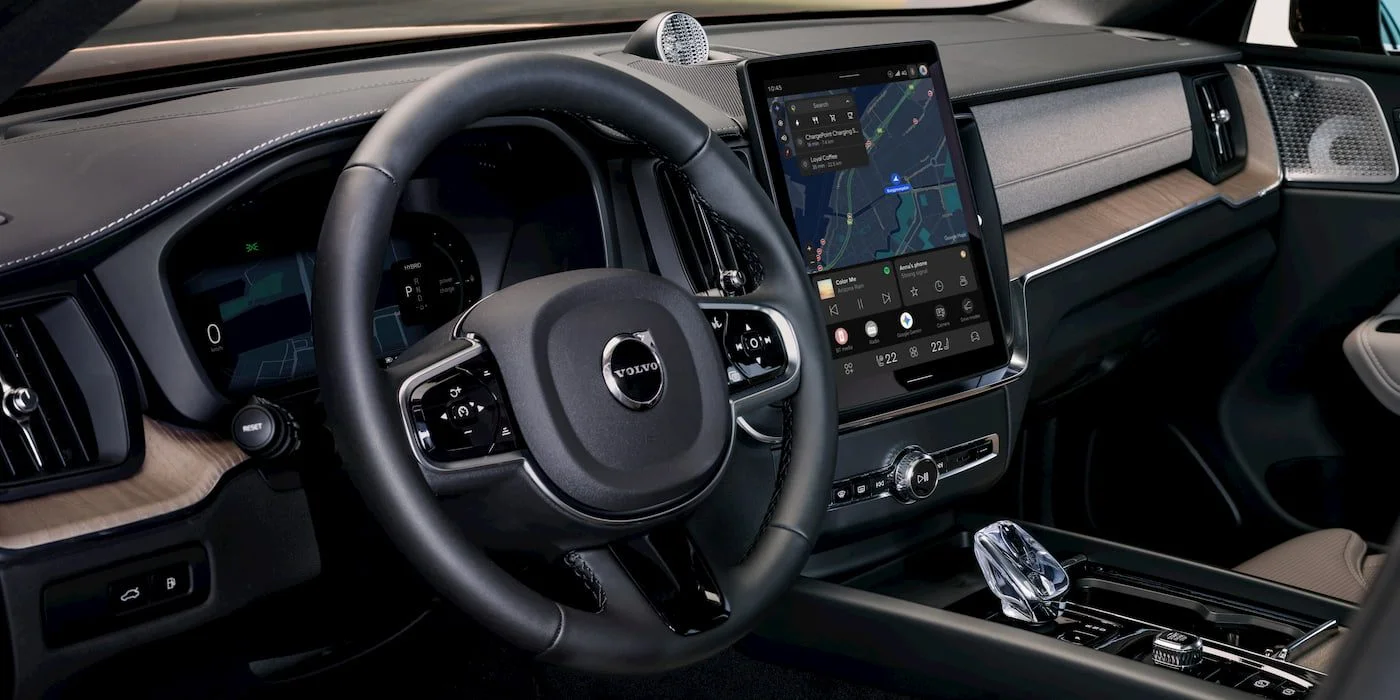
Inside, the XC60 includes a redesigned dashboard and door panels that not only contribute to a more premium feel but also integrate Volvo’s sophisticated safety features. The infotainment system is particularly noteworthy, boasting an 11.2-inch display powered by Google’s Gemini—an advanced AI assistant that elevates user interaction and experience. Although many companies are hopping onto the AI bandwagon, this shift towards enhanced driver engagement and safety is a step in the right direction for Volvo.
Future Production and Market Positioning
Volvo plans to kick off production of these enhanced PHEVs later this fall, with customer deliveries expected early 2027. Interestingly, this announcement occurs in tandem with reports of the discontinuation of the electric EX40 model from its U.S. offerings after the 2027 model year. This pivot raises questions about Volvo's long-term strategy in the electric vehicle (EV) segment.
In its place, Volvo intends to unveil a budget-friendly electric SUV, tentatively named the EX50, aimed at capturing a larger consumer base with a projected starting price around $50,000. This shift demonstrates Volvo’s awareness of market demands; affordability is key for mass adoption of EVs, especially as the competition heats up.
The anticipated 2027 Volvo EX60 is already generating buzz, expected to achieve an impressive range of 307 miles, starting at around $59,795. While current pricing for the XC60 and XC90 hasn’t been confirmed, their predecessors' prices—$62,545 and $77,595, respectively—have set a competitive standard in the segment. Their pricing strategy will be vital, as customers are increasingly weighing cost against performance and technology.
More than just numbers and specifications, the XC60 and XC90 emphasize Volvo’s commitment to electrification. They promise not only extended range capabilities but also tech-savvy features that today’s consumers demand. Regular over-the-air software updates for these models mean that they won’t just be current at launch but can improve and adapt over time—a crucial advantage in the fast-paced automotive market.
Implications and Future Outlook
The impact of Volvo's new XC60 and XC90 PHEVs could resonate beyond just sales figures. If you're working in this space, you should consider how consumer demand is evolving towards longer ranges and smarter technology. With diminishing range anxiety, the appeal of plug-in hybrids might grow, leading to increased competition.
That said, while Volvo has positioned itself strongly with these new models, challenges remain. As the market shifts, so does consumer perception—will buyers wean off hybrids in favor of pure electric vehicles, given the rapid advancement in battery technologies? The success of the XC60 and XC90 will largely depend on how Volvo addresses these shifting preferences.
As we watch the market unfold, it’s clear that the PHEV segment is becoming increasingly crowded. While Volvo has taken a crucial first step with these long-range options, maintaining relevance in a saturated market will require more than just an impressive battery. Brands will need to continue innovating, thinking beyond traditional specifications and focusing on real-world user experiences to maintain a competitive edge.

Discussion
Sign in to join the discussion.