July 2026 set a troubling record for Tesla with 236 driver-assist crashes, sparking concerns over data transparency and safety protocols.
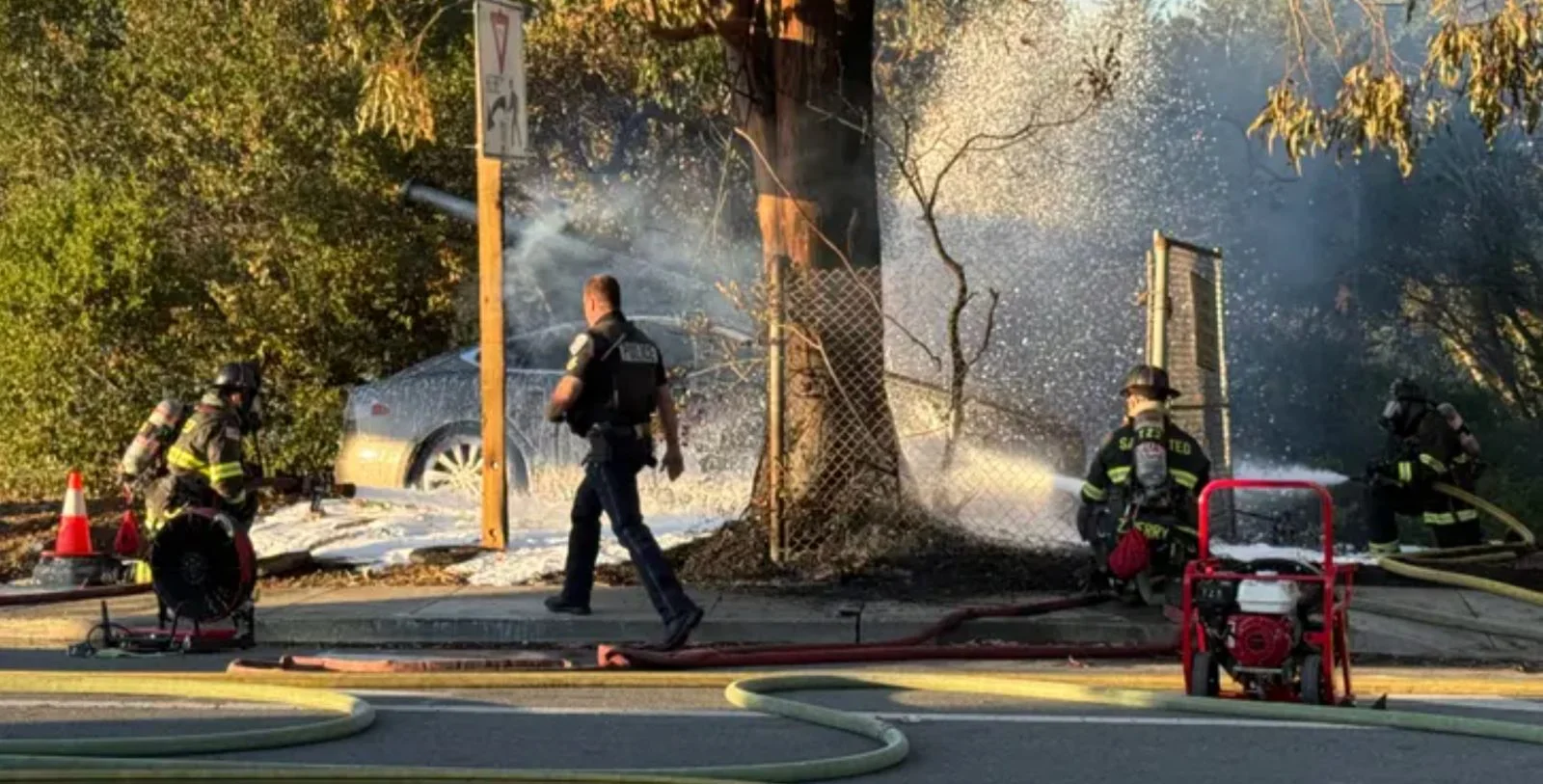
July 2026 marked a significant and alarming milestone for Tesla, as the automaker reported 236 incidents involving driver-assist systems to federal regulators, the highest number recorded in a single month. This surge in crash reports raises questions about the safety and reliability of Tesla's Autopilot and Full Self-Driving (FSD) technologies.
Among these crashes, four resulted in fatalities, with Tesla's internal data confirming that either Autopilot or FSD was engaged during each incident. Despite these serious implications, there was a lack of public acknowledgment from the company regarding the involvement of its driver-assist systems in these tragic events. This situation signals ongoing challenges for Tesla in terms of transparency when it comes to safety performance.
A Rising Trend in Reported Incidents
The increase in reported crashes aligns with a general upward trend observed throughout the year; numbers went from 135 in March to 209 in June, culminating in July's disturbing high. Under a 2021 National Highway Traffic Safety Administration (NHTSA) mandate, automakers are required to disclose crashes occurring within 30 seconds of the activation of Level 2 driver-assistance systems. This rule applies pressure on Tesla to maintain accurate reporting as these stakeholders demand accountability.
Focusing on Fatalities
In Tesla's report for July, each crash is marked as “Verified Engaged,” indicating that the driver-assist system was operational at the time of the incidents. However, essential information about these crashes, such as the specific circumstances, the software versions in use, and whether the roads were within the driver's assistance capabilities, was redacted. Such omissions limit the understanding of how these systems function in high-stress scenarios, thereby undermining accountability.
Details of Fatal Incidents
Insights from a detailed analysis of each crash revealed the following:
- Upper Marlboro, Maryland: A Tesla Model 3 was involved in a fatal accident while making a left turn, resulting in the deaths of three people, including two passengers in the other vehicle. Crucial data suggests that the driver-assist system was operational, raising questions about its effectiveness in complex traffic situations.
- San Mateo, California: A driver lost their life after the Tesla Model S they were operating collided with a light pole and caught fire. The report indicated that the driver-assist system was engaged at the time of the accident.
- Ione, California: A young driver died following a head-on collision while driving a new Model Y; the circumstances that led to the vehicle's deviation into opposing lanes remain unclear due to the redacted narrative.
- Ashby, Minnesota: In a multi-vehicle accident, a 73-year-old man driving the Tesla was killed. The reports hint at potential complicating factors involving another vehicle, yet the presence of the driver-assist system at the time is significant.
None of these fatalities were publicly attributed to the driver-assist systems, largely because critical details were withheld from the reports submitted to the authorities. This raises significant concerns about regulatory practices and how Tesla presents its safety metrics, especially since accountability appears to remain elusive.
Underreporting Fatalities
A disconcerting trend is revealed through the data discrepancies in reported fatalities. In each crash that resulted in multiple casualties, Tesla's reports noted only one death per incident. As a result, the overall fatality rate associated with its driver-assist technologies may be significantly understated, impacting any analyses or safety comparisons derived from this data.
The Importance of Transparency
The practice of redacting crash narratives is not common within the competitive automotive landscape. Other manufacturers, such as General Motors with their Super Cruise system, publicly disclose all details related to incident narratives, enhancing consumer understanding and trust. In stark contrast, Tesla's approach raises significant questions about their willingness to foster transparency and accountability concerning the safety of their technology.
With the narrative around these accidents concealed, the public is left in the dark regarding key data that could inform whether the driver-assist systems are functioning effectively or are involved in accidents due to inadequate human intervention.
Prospects for the Future
As this concerning trend continues to unfold, it's clear that the stakes are high for Tesla. The implications of this data are immense, not just for the company's reputation, but also for the broader discourse on the safety of driver-assist technologies. Despite Tesla asserting the human driver's ultimate responsibility for vehicle operation, the continual push from the company for users to trust and rely on these systems poses risks that cannot be overlooked. In an industry where technological advancements are racing ahead, the importance of clear and accessible safety records becomes paramount for stakeholder confidence.
As scrutiny around Tesla's driver-assist performance grows, continuous monitoring of crash data and transparent disclosures will become increasingly essential. The emphasis must be placed on developing safer systems that fully embody accountability and reliability.

Discussion
Sign in to join the discussion.