Kia PV7 Unveiled: The Next Generation Electric Van for Transport and Cargo
Published Sep 14, 2026Reads 326By Peter Johnson
Kia's new PV7 electric van offers versatile seating for nine or ample cargo space, featuring advanced technology and impressive driving range.
Introducing the Kia PV7: A Bold Step in Electric Vans
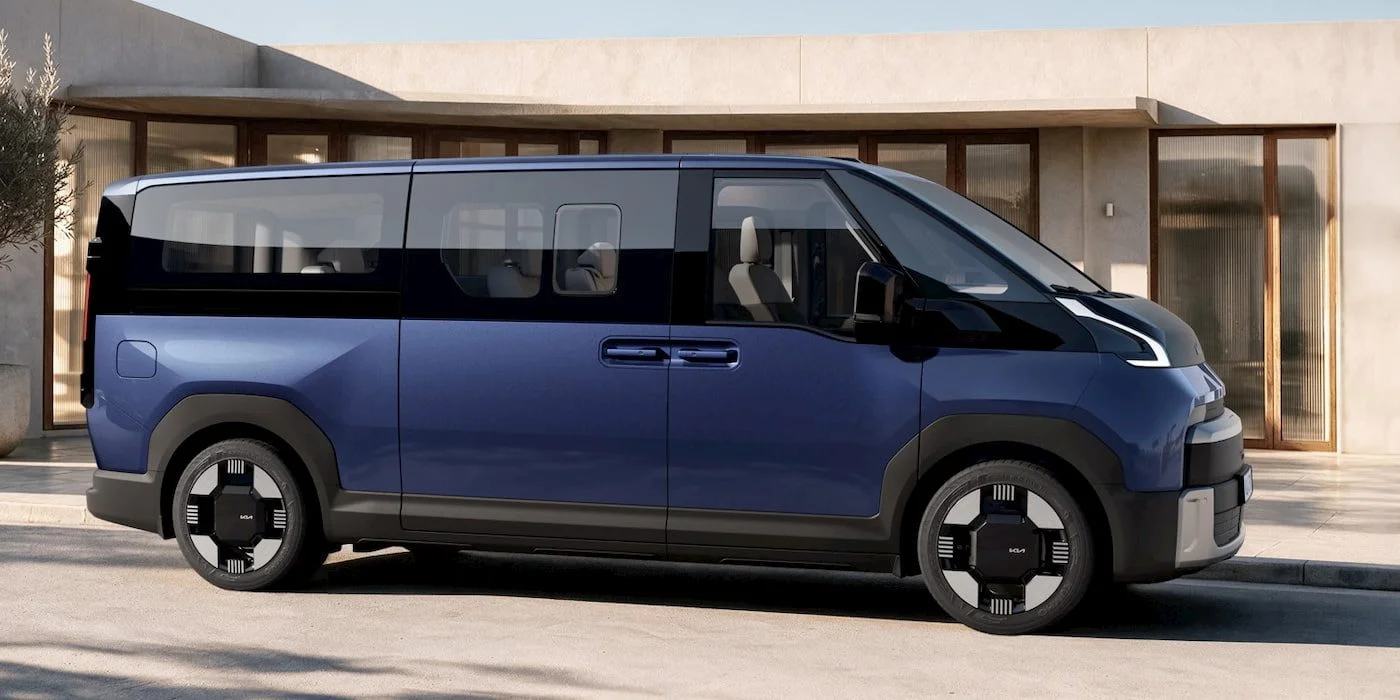
Kia has officially revealed the PV7, its ambitious new electric van designed to accommodate nine passengers or provide ample cargo space. This model represents Kia's expanding efforts within the electric vehicle (EV) sector, particularly targeting the lucrative light commercial vehicle market. Marking its debut at IAA Transportation 2026 in Hanover, Germany, the PV7 is not just another addition to Kia’s lineup; it aims to redefine expectations of what an electric van can offer.
Kia PV7 Specifications and Features
The PV7 is Kia's follow-up to the earlier PV5 and is built on the versatile E-GMP.S platform, which enhances its interior flexibility with a notably flat floor design. This layout caters to a variety of configurations, suggesting versatility in both passenger transport and cargo logistics. Kia is planning to roll out an impressive 23 variants over the upcoming years, including dedicated passenger versions and cargo models.
For those seeking range, the PV7 comes equipped with two battery options: a 71.5 kWh pack and a more robust 96.2 kWh configuration. The cargo variant impressively boasts an all-electric driving range exceeding 460 km (285 miles) according to the WLTP standards.
Powering these capabilities is a front-wheel drive setup, with plans for an all-wheel drive option in the pipeline. Depending on the configuration, drivers can expect a maximum output of 268 horsepower (200 kW) and 309 lb-ft (420 Nm) of torque. Notably, the PV7 can recharge from 10% to 80% in about 25 minutes using a 350 kW DC fast charger, thanks to its advanced 800V architecture.
Interior Design and Technology
When it comes to interior space, the PV7 impresses with its dimensions: measuring 5,350 mm long, 1,995 mm wide, and 1,990 mm high, along with a wheelbase of 3,500 mm. This positions the PV7 significantly larger than its predecessor, the PV5, which is 4,695 mm long and offers less interior space. Even compared to the long-wheelbase version of the Volkswagen ID. Buzz, the PV7 stands out with more generous dimensions.
The cabin offers both functionality and sophistication, featuring Hyundai’s Pleos Connect infotainment system with large display options of 12.9” and 14.6”. Operating on Android Automotive OS, this interface allows users to interact similarly to a smartphone, with customizable screens and an array of apps. Additionally, Gleo AI serves as a smart companion, providing assistance with navigation and other vehicular functions, enriching the driving experience further.
The PV7 Cargo variant caters to commercial needs with configurations for two or three seats, delivering up to 6.1 cubic meters of cargo space, while a High Roof version can extend this to an impressive 8 cubic meters. With a maximum payload capacity reaching up to 1,200 kg (2,645 lbs) in the compact model and 1,165 kg (2,568 lbs) in the long version, it is clear that Kia is serious about delivering a competitive commercial vehicle.
This new entry into the EV market from Kia should be on your radar, particularly if you're involved in transportation or logistics sectors. The combination of spacious design, advanced technology, and impressive range makes the PV7 a contender worth examining as the industry shifts towards electrification.
What Lies Ahead for Kia's Electric Vans
Kia's forthcoming PV7 Passenger and Cargo models, scheduled to debut in Korea and Europe in late 2027, signal a significant step in the automaker's electric vehicle strategy. What’s noteworthy here is that Kia isn’t just looking to enter the electric van segment; they aim to dominate it. With a variety of variants planned—up to 23 in total, including cargo options for different needs and an expansive passenger configuration—their commitment to versatility is clear.
When evaluating the PV7's potential, the design choices stand out. While it retains a sturdy loading height optimized for practical use, the decision to offer both twin-swing and lift-up tailgates caters to varying consumer needs. This flexibility is evident in the passenger variant as well, where up to nine seats can accommodate larger groups, further enhancing its appeal to families and commercial operators alike. The PV7's feature set also includes vehicle-to-load (V2L) capabilities, allowing users to power external devices. This could prove invaluable for professionals or families on the go, seeking energy solutions beyond just transportation.
Of particular interest is the PV5, which has garnered substantial success in Europe as a top-selling small electric van. With the PV7, Kia hopes to raise the bar even higher. Its spacious interior and adaptable seating arrangements might resonate with an even broader audience, boosting its chances of being a top contender in the segment.
Looking ahead, the full range of PV7 derivatives promises to enrich Kia's electric line-up. Yet, with the competition only becoming fiercer in the EV sector, Kia will need to remain vigilant in its marketing and distribution strategies. The pricing, still unannounced for the PV7, will also be crucial to its success. For context, the PV5 models start at competitive price points, making it vital for the PV7 to align closely to ensure it captures consumer interest.
The bottom line? Kia is not merely expanding its electric vehicle offerings; it's gearing up for a major play in a market that values innovation and utility. If these new models live up to their promise, they might just redefine what we expect from electric vans. The stakes are high, and Kia seems poised to meet the challenge head-on. Keep an eye on their launch plans—this could be a pivotal moment for the brand in the realm of EVs.

Discussion
Sign in to join the discussion.