Toyota's postponement of the Highlander EV raises questions about production gaps and inventory shortages amidst changing market dynamics.
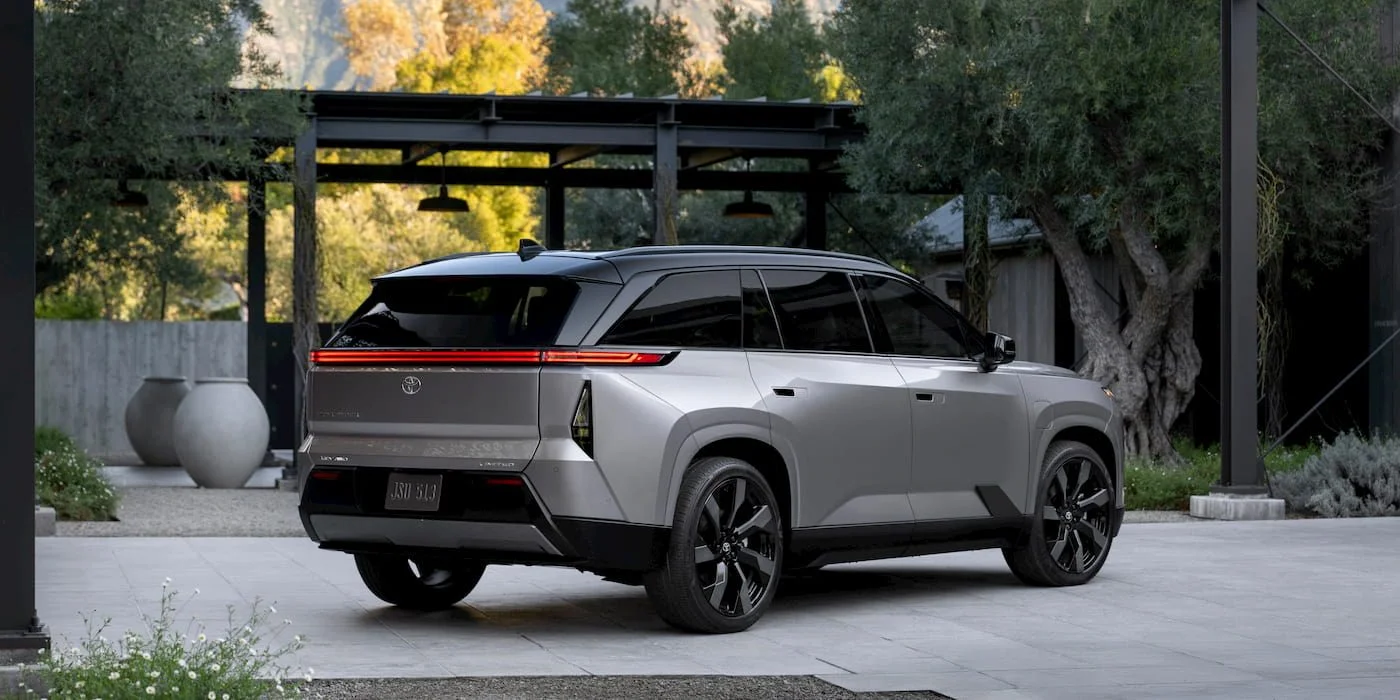
Toyota's anticipated launch of the Highlander EV has hit a snag, now delayed by several months. Initially slated for production at the Georgetown, Kentucky plant this month, the new electric three-row SUV won’t meet its timeline, with outputs now pushed back to early 2027, introducing it as a 2028 model.
Production Gap Dilemma
A company spokesperson confirmed the delay in July, citing the need for "additional adjustments to the vehicle prior to launch," although no specifics were provided. As a result, production of the existing 2026 Highlander will continue until December, but the real issue emerges: Toyota might exhaust its current inventory before the EV version arrives. This situation is reminiscent of challenges faced by other automakers when transitioning from traditional to electric models.
With the Highlander EV's production now not scheduled to commence until the first quarter of 2027, dealers could face significant inventory challenges during this transition period. The scarcity of available models could frustrate potential buyers who are waiting for the EV offering. Current Highlander models are likely to run low, creating uncertainty about the potential extent of the gap this will create in availability. Manufacturers need to look at how they manage stock during such transitions; it’s a tricky balancing act.
As of early September, Toyota dealers had an approximately 20-day supply of Highlanders available, indicating that a lapse could be imminent. Compounding the situation, Toyota has indicated that it doesn't plan to ramp up production of existing models, making it plausible that consumers will find themselves with fewer options during this waiting period. In essence, if you’re considering a Highlander, you might find yourself frustrated by the limited selection as the company pivots toward electric offerings.
Impact on Sales Projections
The bigger question looms over Toyota’s sales objectives. Despite a modest 0.4% increase in US sales through August, the delay of the Highlander may hinder momentum, particularly when combined with existing low inventories of popular models like the RAV4. Sales are more than just numbers; they reflect customer availability and sentiment. A lack of inventory stymies growth aligns with broader industry challenges.
Steve Gates, owner of Gates Auto Family in Kentucky, expressed concerns about the lack of Highlander availability, stating that its temporary absence could significantly challenge sales. Dealer sentiment seems to reflect a broader worry that the delays will negatively impact both customer satisfaction and overall sales figures. In a market relying heavily on consumer confidence, even a minor hiccup can have outsized implications.
What to Expect from the 2028 Highlander EV
When it finally arrives, the Highlander EV is expected to offer two trim levels: Limited and XLE, with choices of front- or all-wheel drive. It will feature battery options of either 77 kWh or 95.8 kWh, providing driving ranges of up to 287 miles on the smaller pack or 320 miles on the larger one in front-wheel configurations. If you're working in this space, you might want to analyze how these specifications place it against competition more aggressively marketed and launched.
The interior is designed to comfortably seat seven passengers across three rows and will include Toyota's new Audio Multimedia System, featuring wireless Apple CarPlay and Android Auto along with a sizable 14-inch touchscreen and a 12.3-inch instrument cluster. (And this is the part most people overlook.) A well-designed interior can set a vehicle apart in a crowded market. Features that enhance user experience might very well drive sales, but not if there's an absence of the model on showroom floors when interested buyers arrive.
| 2028 Toyota Highlander EV trim | Battery Pack | Driving Range |
| XLE FWD | 77 kWh | 287 miles |
| XLE AWD | 77 kWh | 270 miles |
| XLE AWD | 95.8 kWh | 320 miles |
| Limited AWD | 95.8 kWh | 320 miles |
Competitors Seize the Initiative
The delay also gives competitors like Hyundai with its IONIQ 9 and Kia with the EV9 a more substantial window to capture market share while Toyota retries to reestablish its footing in the electric vehicle sector. Companies often take advantage of such lags to solidify their positioning. Consumer interest could swing away from Toyota, even if temporarily.
When the Highlander EV finally hits the market, it will join Toyota's expanding lineup of electric vehicles that already includes models like the bZ and C-HR, but its late entry could mean missing out on early adopters and significant sales opportunities. Shifts in consumer preference can happen overnight; those early adopters often set trends that can lock in buyer loyalty.
In light of past issues highlighted by the bZ4X model recalls— which required a stop-sale due to safety concerns— this delay may reflect Toyota's caution in refining their approach to electric vehicle launches. There's a line between being careful and missing the bus entirely, and it seems Toyota's waiting for the right moment, perhaps at the expense of market share.
Ultimately, while temporary, this absence could shape consumer preferences and market dynamics as Toyota risks being seen as a latecomer in the burgeoning electric SUV market. Looking forward, if this perception takes root, it could lead to longer-term reputational issues, allowing competitors to dominate the narratives around sustainability and innovation in this evolving electric vehicle segment.
Significance and Future Outlook
The Highlander EV delay isn't just a hiccup in production; it's a significant indicator of how traditional manufacturers struggle to adapt in a fast-moving automotive market increasingly focused on electrification. This setback could reshape Toyota’s trajectory within the EV space.
As other brands capitalize on Toyota's delays, the long-term effects might stretch beyond mere inventory issues. If competitors succeed in establishing stronger connections with consumers and securing loyalty, Toyota may face challenges in reclaiming its position as a leader in the SUV and electric vehicle market.
With evolving consumer priorities leaning heavily toward sustainability and advanced technology, Toyota's next steps will warrant close scrutiny. The global automotive industry is at a pivot point, and choices made now could define the next decade for Toyota and other legacy players trying to keep pace with disruptive entrants.

Discussion
Sign in to join the discussion.