Volkswagen's Mission Efficiency concept reimagines efficiency in electric vehicles, boasting remarkable range and aerodynamics without the premium price tag.
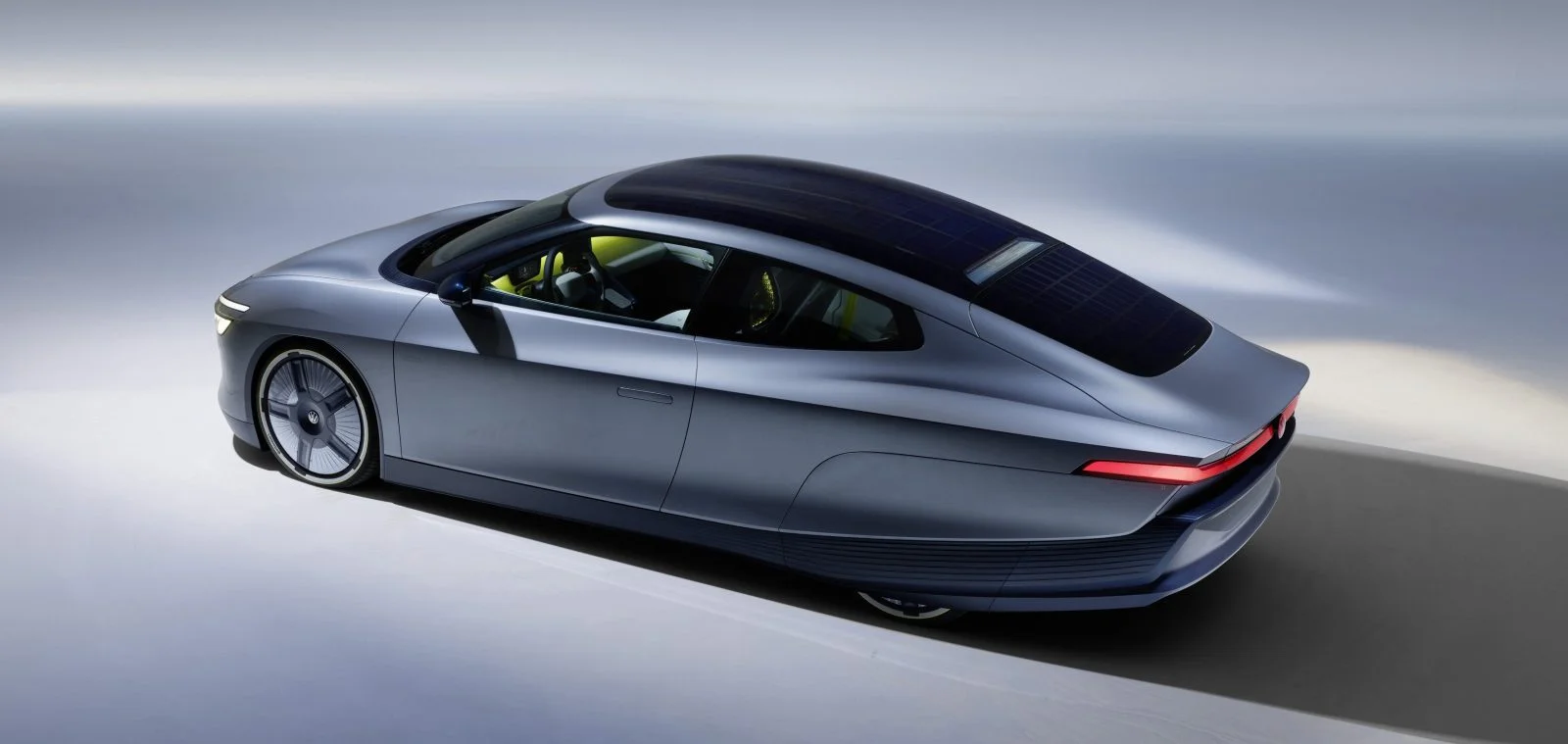
Volkswagen has raised eyebrows with the introduction of the Mission Efficiency, a concept that it dubs the world’s most efficient near-production electric vehicle. This model represents a significant step towards making efficiency a priority in electric vehicle design, reminiscent of the iconic XL1, but crafted with modern electric components.
The New Standard in EV Efficiency
Built on the versatile MEB+ platform shared with the ID. Polo, the Mission Efficiency showcases VW's commitment to squeezing every possible mile from a modest battery capacity. Reports indicate this model achieves a remarkable drag coefficient of just 0.158—a record for road-legal cars. This aerodynamic prowess was demonstrated during a test drive from Wolfsburg to Vienna, where it covered an impressive 1,278 km (794 miles) on a single charge while maintaining 164 km of reserve range.
Impressive Efficiency Metrics
The statistics surrounding this concept are striking. Officially verified by Record Institute Germany (RID), it set three world records within the ‘near-production, everyday four-seater EV’ category:
- Aerodynamics: 0.158 Cd
- Ideal consumption: 6.48 kWh/100 km
- Real-world efficiency: 6.89 kWh/100 km (excluding charging losses)
Converted to North American metrics, that translates to about 110 Wh per mile, or roughly 9 miles per kWh, a dream figure for most EVs striving for efficiency, translating to over 300 MPGe. The efficiency is made possible by utilizing a 54.9 kWh battery and a single 99 kW (135 hp) front motor, showing that the shape and design play a pivotal role in overall mileage rather than sheer battery capacity.
Engineering Secrets Behind the Mission Efficiency
The Mission Efficiency's design is key to its performance. Its teardrop form, complete with clad rear wheels and a fully enclosed underbody, incorporates features like active cooling flaps, frameless windows, and flush door handles to minimize drag. When operated above 80 km/h, this model consumes more than 30% less energy than a standard ID. Polo, illustrating the benefits of aerodynamic engineering.
Further innovations include patented rim deflectors to manage airflow within the wheel area, optimized hubcaps, and specially engineered Continental tires with rolling resistance notably below the efficiency threshold recognized in the EU. Additionally, the implementation of an electromechanical rear brake system removes hydraulic lines, enhancing efficiency through reduced friction losses and weight.
The interior has not been overlooked either. Volkswagen has adopted a minimalist approach by incorporating lightweight panels and replacing traditional infotainment screens with a ‘bring your own device’ strategy that utilizes users’ smartphones. A portable Bluetooth speaker replaces the conventional audio system, emphasizing a focus on weight savings.
Connecting to the XL1 Legacy
The design echoes the spirit of Volkswagen's XL1, a 2013 model that was once celebrated as the most efficient production car. The XL1's legacy was one of exceptional engineering but limited availability, with only 250 units produced. It achieved an astonishing 0.9 L/100 km (approximately 313 mpg Imperial) from its hybrid engine, but remained an engineering marvel rather than a mass-market product.
The Mission Efficiency aims to realize the XL1's promise, leveraging mass production parts instead of exotic materials and hybrid technology—shedding the exclusivity of its predecessor. Now, it boasts an updated record for aerodynamics at 0.158 compared to the XL1's 0.189, signifying a leap in design and accessibility.
Conceptual, But What’s Next?
It's essential to recognize that the Mission Efficiency remains a concept vehicle, “not for sale,” as emphasized by VW. The automaker is intent on showcasing the capabilities of its production-ready EV technology rather than offering this model for consumer purchase. Thomas Schäfer, VW brand CEO, stated that the vehicle represents what differentiates VW in the electric era: technology for the masses—or, at least, aspirational technology.
Electrek’s Perspective
This concept resonates with efficiency enthusiasts, especially those who admired the XL1's design philosophy. The Mission Efficiency exemplifies a thoughtful approach to vehicle design, prioritizing aerodynamics and efficiency. Unlike the limited production XL1, which functioned more as a technological showcase, the Mission Efficiency is constructed with the goal of broad accessibility in mind by utilizing what’s already in VW’s production pipeline. It reflects a thoughtful transition from extravagant engineering feats to practical applications for the everyday consumer.
In the current EV market, where many focus on expanding battery capacities and rapid charging, efficiency often takes a backseat. However, a vehicle that can achieve 9 miles per kWh requires significantly less battery size to cover the same distances. This reduction equates to lower material costs, less weight, and a smaller environmental footprint, all while maximizing range. The Mission Efficiency stands as a significant reminder that efficiency isn't just a spec on a page; it's a pathway to a more sustainable future for electric mobility.
Does this mean Volkswagen will manufacture a version of the Mission Efficiency? While the exact model might remain a concept, elements of its design and technology could find their way into future productions, like variants of the ID. Polo or ID. Cross. If VW truly wants to establish itself as the leader in accessible electric mobility, incorporating even a fraction of this incredible efficiency into its lineup is a step in the right direction.

Discussion
Sign in to join the discussion.