Zürich Airport is pioneering the use of fully automated shuttle buses without onboard safety drivers, marking a significant step in autonomous transportation.
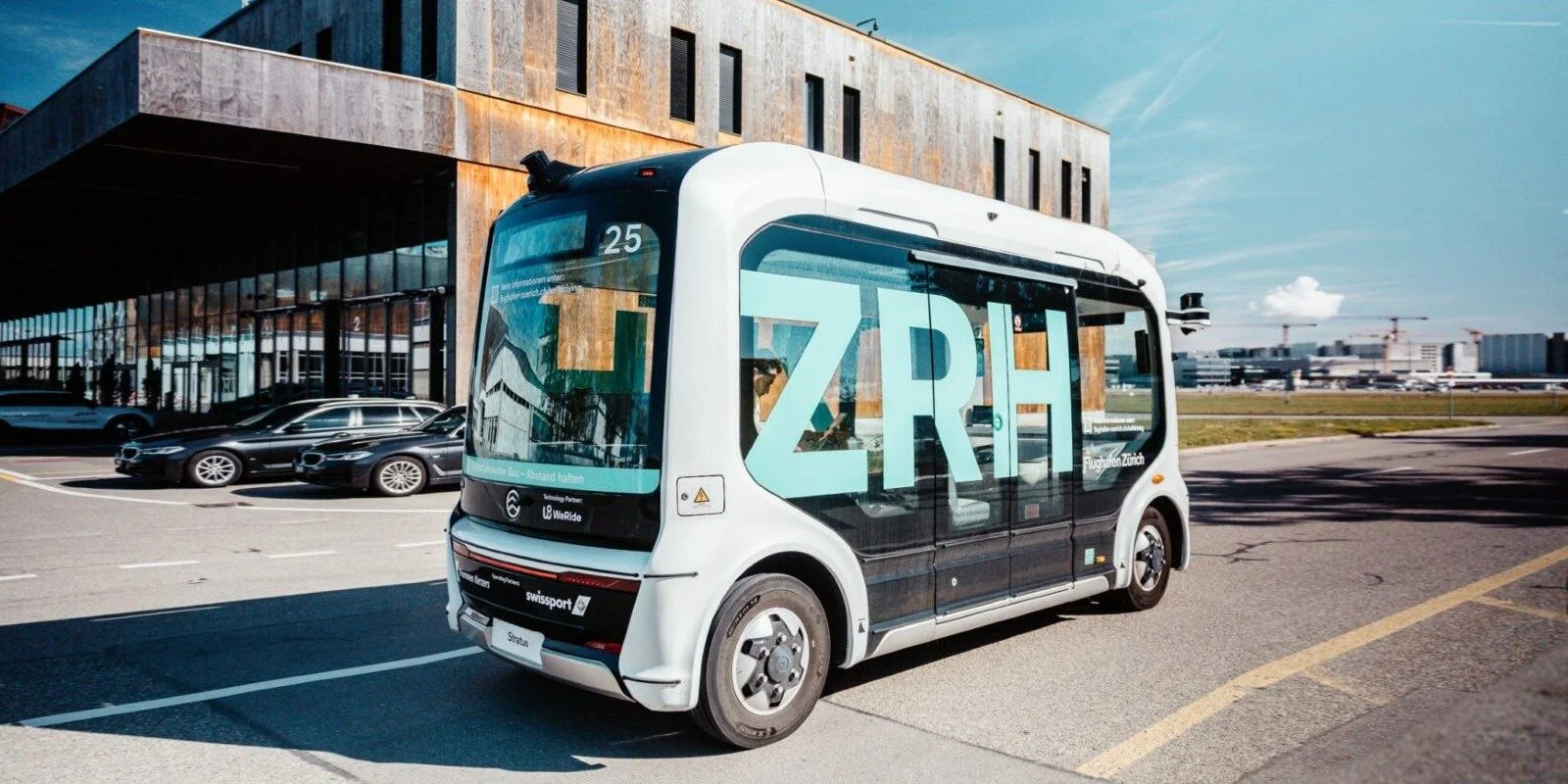
Zürich Airport has marked a significant milestone by introducing two fully automated electric shuttle buses across its premises. This deployment distinguishes Zürich as one of the first airports in Europe to implement Level 4 autonomy in a practical setting, operating these vehicles without a human safety driver on board. This move signals not only technological progress but also a strategic shift towards more sustainable and efficient airport operations, reflecting a growing trend in the aviation industry.
The Path to Automation
The shuttles, developed in collaboration with the Chinese autonomous vehicle firm WeRide, have undergone extensive testing since March 2025. This phased approach sought to ensure compliance with the stringent European Union regulations as well as the necessary safety and technical standards associated with L4 autonomy. As autonomous vehicles gain traction globally, regulations become critical. Airports, as high-profile and high-stakes environments, require rigorous testing to ensure passenger safety and operational integrity.
Raphaël Glaesener, Senior Innovation Manager at Zürich Airport, emphasized the commitment to safety, stating, “Safety was and remains our top priority at all times. That is why the first Level 4 trips will once again be carried out without passengers. However, we expect that after around four weeks of test operation, employees will be able to use the now fully automated shuttle.” This cautious approach to deploying autonomous vehicles aligns with broader discussions on trust and safety in technology. Doubts linger over the reliability of fully autonomous systems; thus, taking time to validate safety protocols is not just a precaution but a necessity that could determine public acceptance.
Operational Insights
“We are very pleased with this achievement,” noted Coralie Klaus Boecker, Head of the ZRH Innovation Hub at Flughafen Zürich AG. She remarked on the necessity of such technology, given the current labor challenges faced by airports. There's little doubt that the airport industry has struggled with worker shortages, especially in a post-pandemic world where many sectors are still re-hiring. Automation can relieve some burdens by streamlining operations that are often labor-intensive. Boecker affirmed the intent to lay the groundwork early for the safe utilization of automated vehicles, stating, “The gradual automation of vehicles can make an important contribution for airports.” This sentiment reflects a common theme across many industries where automation is seen as both a solution and a potential risk. If you're working in this space, it's clear that stakeholders must meticulously balance these concerns.
The shuttle service forms part of a broader pilot initiative aimed at electrifying and decarbonizing routine airport operations. The focus on electric shuttles aligns with a growing global emphasis on reducing carbon footprints. Initially designated for employee transport, the shuttles adhere to a specific route that intentionally avoids intersections with aircraft taxiways and runways. It’s a careful orchestration that has implications for workflow efficiency, safety protocols, and employee satisfaction. Employees from partner companies, including Swissport and Krummen Kerzers, will oversee the operations remotely, each contributing personnel trained for monitoring duties. This operational model not only showcases advancements in automation but also emphasizes the importance of collaboration with established players in the airport ecosystem.
Significance and Broader Implications
This advancement not only highlights Zürich Airport's forward-thinking approach but also sets a precedent for future airport operations worldwide. The effective integration of autonomous shuttles paves the way for enhanced efficiency and reliability in transport logistics while addressing workforce shortages. But let’s not gloss over the challenges: the automation of public transport presents significant social implications, including potential job displacements. While automation certainly streamlines operations, the question arises about the broader impact on employment within the airport environment. What does this mean for workers? There’s much to consider.
Here's the thing: while the technology itself might be fascinating, the human element can't be overlooked. Public acceptance will play a significant role in determining how widely such technologies are adopted. We've already seen reluctance from some travelers about automated systems—drivers, pilots, and other operational staff are often the face of reassurance in times of uncertainty. The balance will need constant adjustment between operational efficiency and maintaining the human touch that travelers expect.
As these shuttles move forward into their test phase, Zürich Airport's experiments could reshape the narrative around automation in other transportation sectors, too. This is now a high-stakes test bed that could reveal how other airports and cities may adopt similar technologies. In the coming years, we could witness a ripple effect as successful implementations elsewhere could encourage even faster adoption rates.
SOURCE | IMAGES: Zürich Airport; via Electrive.

Discussion
Sign in to join the discussion.