BYD has ordered 10 more 9,200-car transport ships, boosting its fleet to 18 as demand for Chinese vehicle exports continues to rise.
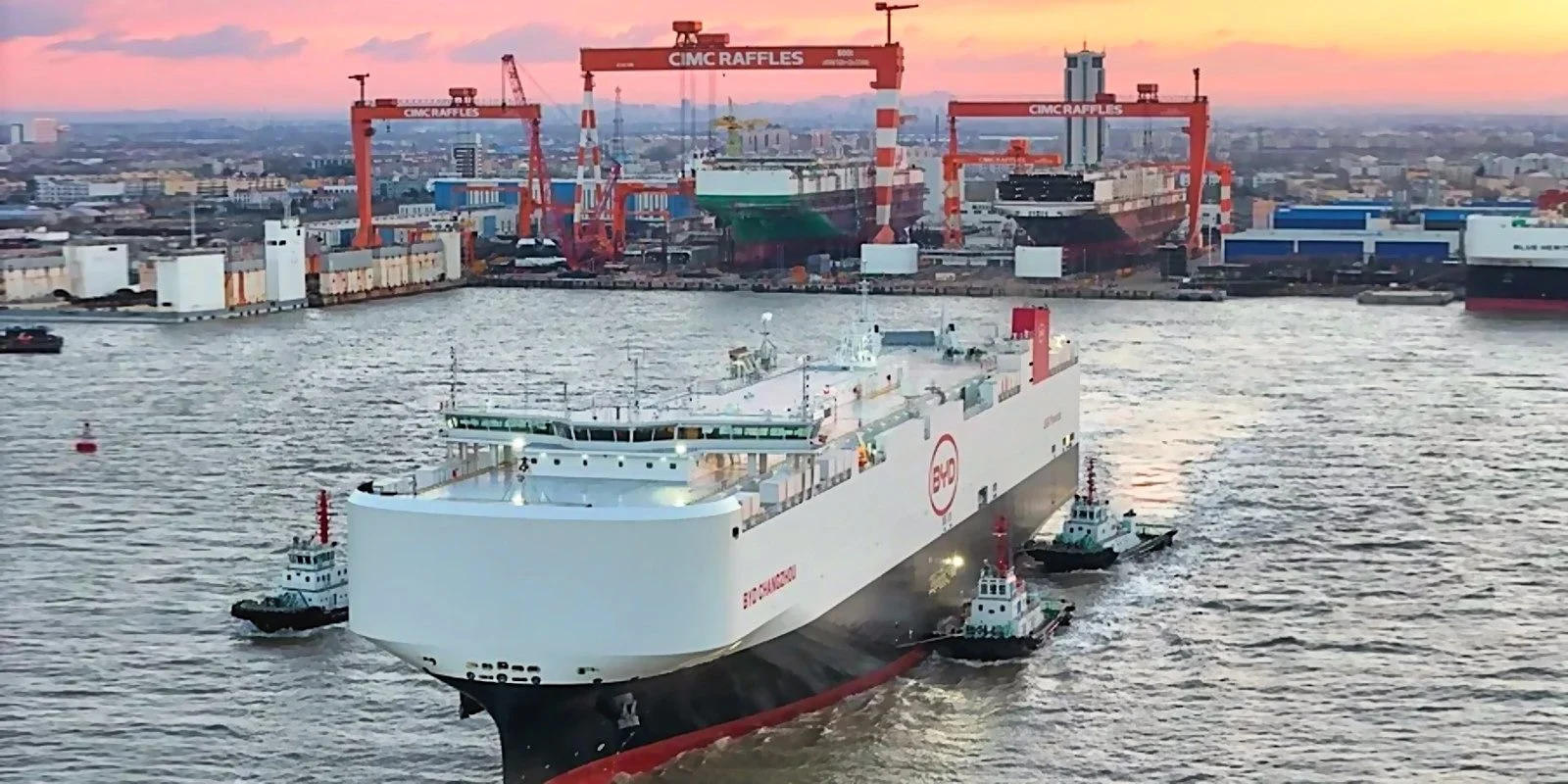
BYD is making strategic moves to bolster its shipping capabilities as it eyes expansion into European and North American markets. The company has placed an order for ten additional pure car and truck carriers, each with the capacity to transport 9,200 vehicles. This new order is set to increase BYD’s fleet to 18 LNG-powered vessels, which can collectively handle over 130,000 vehicles.
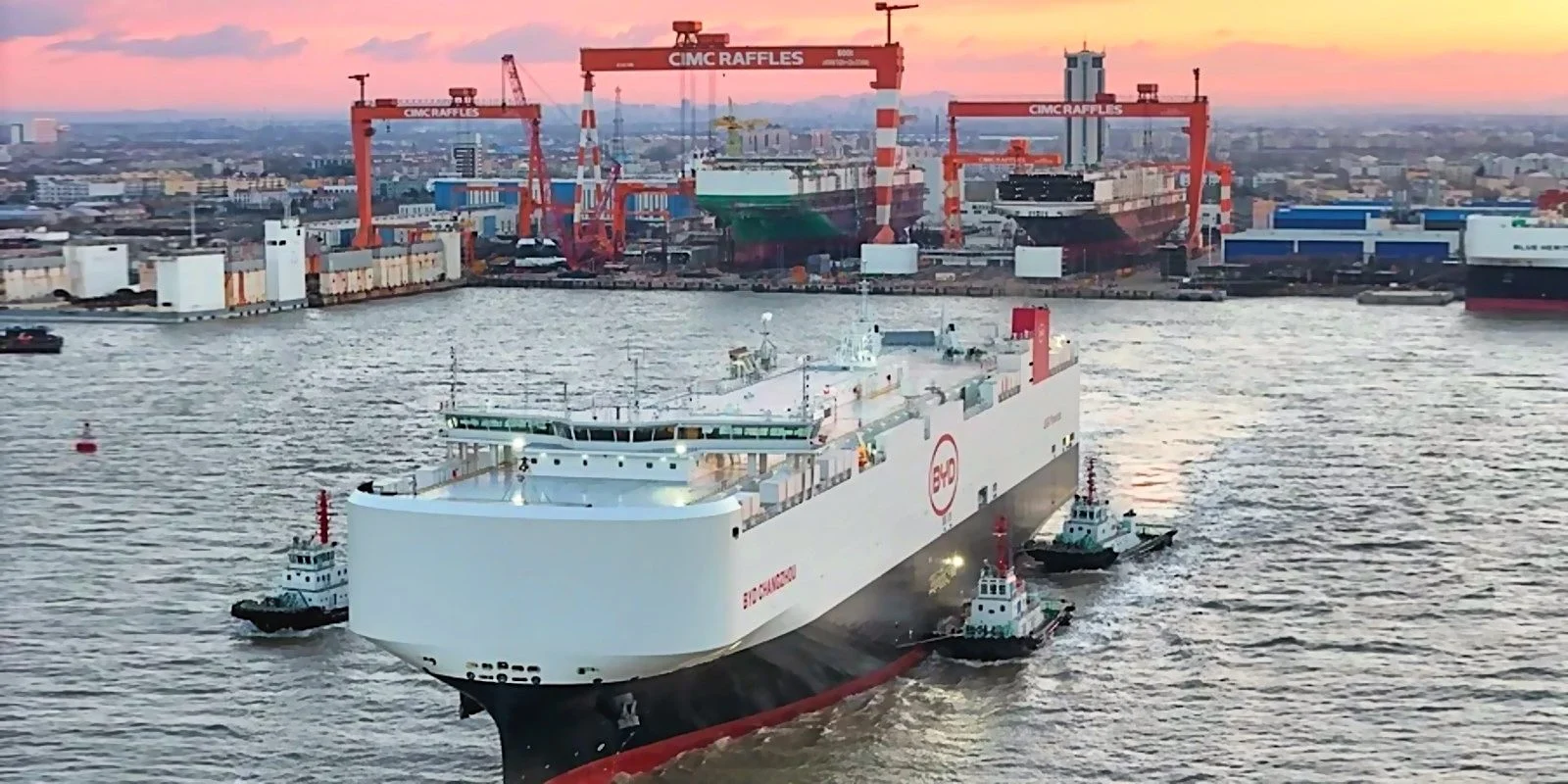
Strategic Expansion into Shipping
BYD's recent decision to expand its shipping capabilities isn't just a routine operational move; it’s a calculated strategy to position itself within two lucrative markets. As electric vehicle demand grows in both Europe and North America, having effective logistical support becomes essential. The order for these ten vessels reflects BYD's commitment to streamlining its supply chain and ensuring timely delivery of its products to meet this demand.
Shipping is often an overlooked aspect of the automotive industry, yet it's highly consequential for a company's international success. A fleet of dedicated carriers allows a manufacturer not only to control costs but also to enhance brand trust among consumers by ensuring reliability in getting vehicles to market on time. If you're working in this space, understanding the significance of shipping logistics can't be overstated.
Market Trends and Their Implications
This latest development highlights a growing trend in the car carrier market, driven by heightened global demand for Chinese electric vehicles (EVs). A report from Robban Assafina indicates that the increased shipping capacity is essential as BYD aims to solidify its international presence.
This trend aligns with a broader pattern observed in the automotive industry; as demand for EVs soars, manufacturers must either adapt their existing logistics or risk being left behind. Traditional shipping methods may not suffice in an era defined by speed and efficiency. BYD seems to recognize this shift and is positioning itself not just as an automaker but as a sustainable player in global logistics.
BYD Shenzhen: The Flagship Vessel
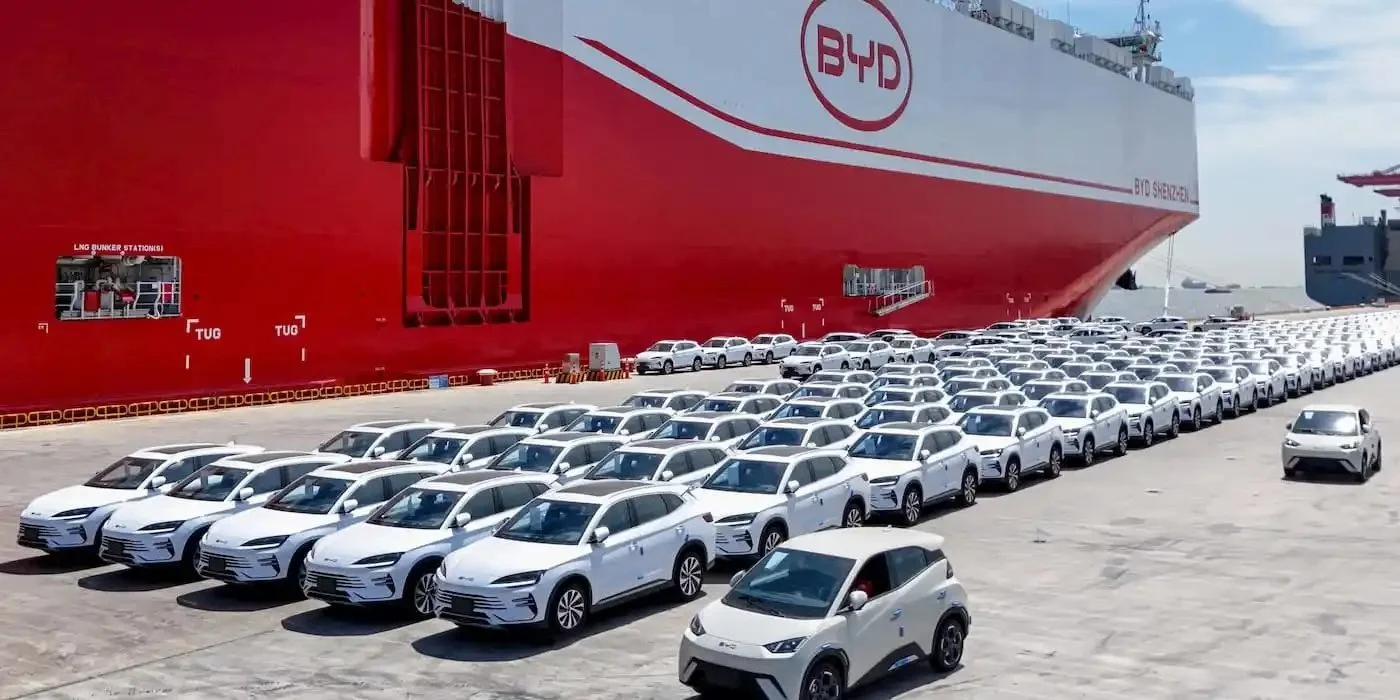
The BYD Shenzhen, which entered service last year, remains the centerpiece of BYD's shipping strategy. With a capacity equivalent to 20 football fields, this vessel showcases BYD's ambition in the shipping sector as it looks to transport a growing number of vehicles globally.
The vessel is more than just a carrier; it symbolizes BYD's forward-thinking approach to market realities. As economies shift and consumer habits evolve, an emphasis on efficient transportation becomes vital. The sight of such a massive ship, designed for sustainability, sends a strong message about the company's values and its long-term vision.
Surge in Vehicle Exports
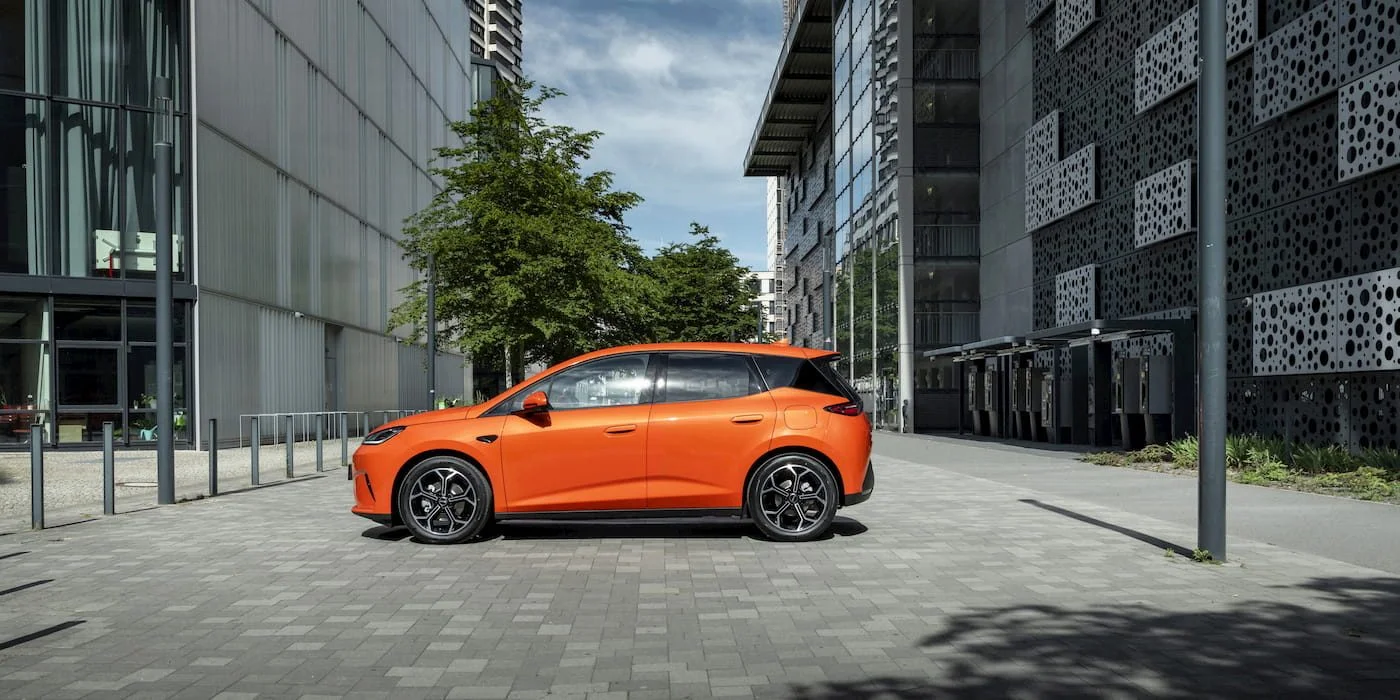
BYD's ascendancy in international markets has been notable. Since its initial vehicle launch in March 2023, the company has registered over 110,000 vehicles in the UK alone. By August of this year, registrations surged by 98%, establishing BYD with a significant 3.48% share of the new car market—up from 1.92% the previous year.
The figures indicate a clear trajectory toward growth, bolstered by the demand for environmentally friendly alternatives. In the broader context, BYD reported exporting 184,000 vehicles in a single month, reflecting a striking year-over-year increase of 131%. This performance underscores BYD's dominance, accounting for a substantial 35.4% of China’s new energy vehicle exports.
Through August, overall exports reached an impressive total of 1,127,000 vehicles—almost doubling the previous year’s figures, indicating BYD's strong strategy to scale its global footprint and expand its enhanced shipping capabilities. This positions the company not merely as a participant in the global market but as a frontrunner, defining the direction in which it moves.
Future Implications and Considerations
What does this mean for BYD and the greater automotive landscape? The implications are significant. With infrastructure to support larger exports, BYD is likely to capture a larger share of the EV market in Europe and North America. Other manufacturers are likely to watch closely; their strategies could be influenced by BYD's example.
That said, competition will likely intensify. Traditional automotive brands are already shifting their business strategies to better position themselves amidst this changing environment. The race isn’t just about manufacturing EVs; it’s about the entire supply chain that gets vehicles into consumers’ hands efficiently and effectively. As traditional leaders adapt, BYD will need to stay a step ahead.
In the shipping market, the additional carriers will not only bolster BYD's ability to meet demand—they’ll also set a benchmark for what can be achieved. Everyone involved will have to keep the pressure on themselves to maintain profitability while minimizing delays.
SOURCE | IMAGES: Robban Assafina; via CarNewsChina.

Discussion
Sign in to join the discussion.