The CASE TL100EV mini track loader is making waves in tough work environments, winning awards and proving its efficiency in emission-sensitive areas.
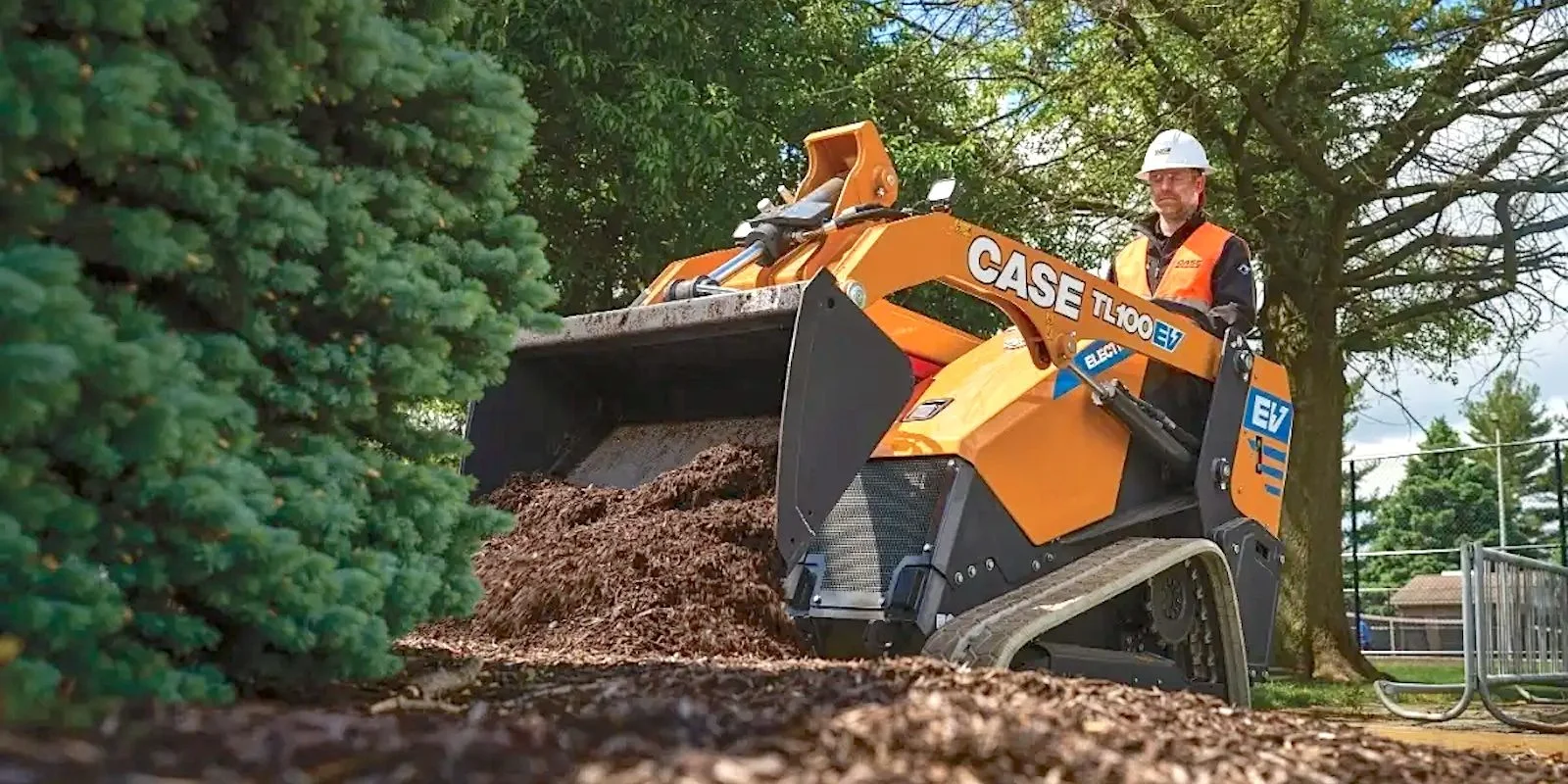
The CASE TL100EV mini track loader is proving to be a valuable asset on the job site, showcasing versatility for a variety of demanding applications. Its electric design makes it suitable for low-emission zones, noise-sensitive environments, and even indoor projects where traditional combustion engines would be a hindrance. This focus on eco-conscious solutions is becoming increasingly relevant, given the growing pressure on industries to reduce their carbon footprints and comply with regulations aimed at protecting air quality.
Debuting at CONEXPO this year, the TL100EV has quickly gained recognition within the industry, earning both a Green Industry Pros 2026 Editor’s Choice Award and an OPE+Landscape Twenty for 2026 New Product Award. The attention reflects a broader trend in the construction and landscaping sectors towards more sustainable equipment options. This loader is positioned not just as a tool but as part of a shifting narrative that encourages operators to consider environmental implications alongside productivity. You could say it’s the new standard for eco-conscious construction sites.
Designed for compatibility with a wide range of attachments, the TL100EV aims to deliver loader efficiency in compact form. It’s engineered for indoor demolition, renovations, and urban applications, all while offering clean and quiet power operations. This innovation opens up possibilities for working in settings that were previously off-limits to heavy machinery — think residential areas or sites near hospitals and schools. Workers can accomplish tasks in sensitive locations without disturbing the surroundings, which may lead to newly established working hours and project timelines that can accommodate local residents.
Built with a 21.2 kWh battery, the TL100EV powers three electric motors—two 11 hp drive motors for movement and a 33 hp hydraulic motor able to deliver an impressive lifting capacity of 1,000 lbs. This combination ensures the loader effectively handles numerous tasks, functioning as a loader, lifter, and attachment carrier. According to CASE, this setup provides increased torque and performance compared to similarly sized diesel models, which is a remarkable feat for an electric machine. However, the performance metrics still require scrutiny: will it hold up in prolonged usage when compared to its gas-guzzling forebears?
To showcase its capabilities further, CASE released a video demonstrating the TL100EV navigating through confined spaces indoors, maneuvering through doors, hallways, and even elevators without emitting harmful emissions. The operational demonstration caters to the specific needs of job sites where traditional machinery could create challenges, especially in urban centers. But can such a compact design actually deliver on the promise it makes? Observers should keep an eye on how this translates to real-world applications in different markets.
Adaptable for Any Environment
This adaptability opens the door for operations that might otherwise rely on less efficient equipment. It’s no secret that the construction industry has long been challenged by zoning laws and environmental regulations. Electric options like the TL100EV could revolutionize the way these limitations are viewed, providing a strategic advantage. The loader seems to be targeting a sweet spot where efficiency intersects with environmental responsibility — that's where future projects might trend.
SOURCE | IMAGES: CASE.

If you want to explore solar energy options, obtaining quotes from various installers can lead to better pricing and reliable services. Utilize resources like EnergySage to receive competitive quotes and valuable assistance in your transition to solar energy.
Your personalized quotes will help you compare offers easily, with access to knowledgeable Energy Advisors available for guidance throughout the process. Get started here.
Implications and Future Outlook
What does the rise of electric machines like the TL100EV mean for the construction industry? It speaks to a potential paradigm shift where sustainability becomes integral to operational strategies. If you’re working in this space, embracing electric equipment may serve not just as a compliance measure, but as a competitive edge in an increasingly eco-aware market. The loader's early accolades suggest broad acceptance, but will the trend continue? Competitors will likely respond, either by developing similar electric solutions or enhancing existing diesel models to integrate eco-features. While the TL100EV is gaining traction, the market's long-term trajectory remains uncertain, especially in terms of durability and performance compared to traditional machines.
Moreover, stakeholders should keep an eye on future technological developments. As battery technologies advance, the effectiveness of equipment like this could dramatically improve. Will CASE and its competitors step up to the plate, or will they lag as others innovate? For now, the TL100EV sets the stage, but the real question remains: how will the industry adapt to this electric future? It’s a landscape ripe for disruption, but prudent caution is always advisable.

Discussion
Sign in to join the discussion.