Amazon is deploying 50 Mercedes-Benz eActros trucks in Germany, underscoring its commitment to sustainability and electrification in logistics.
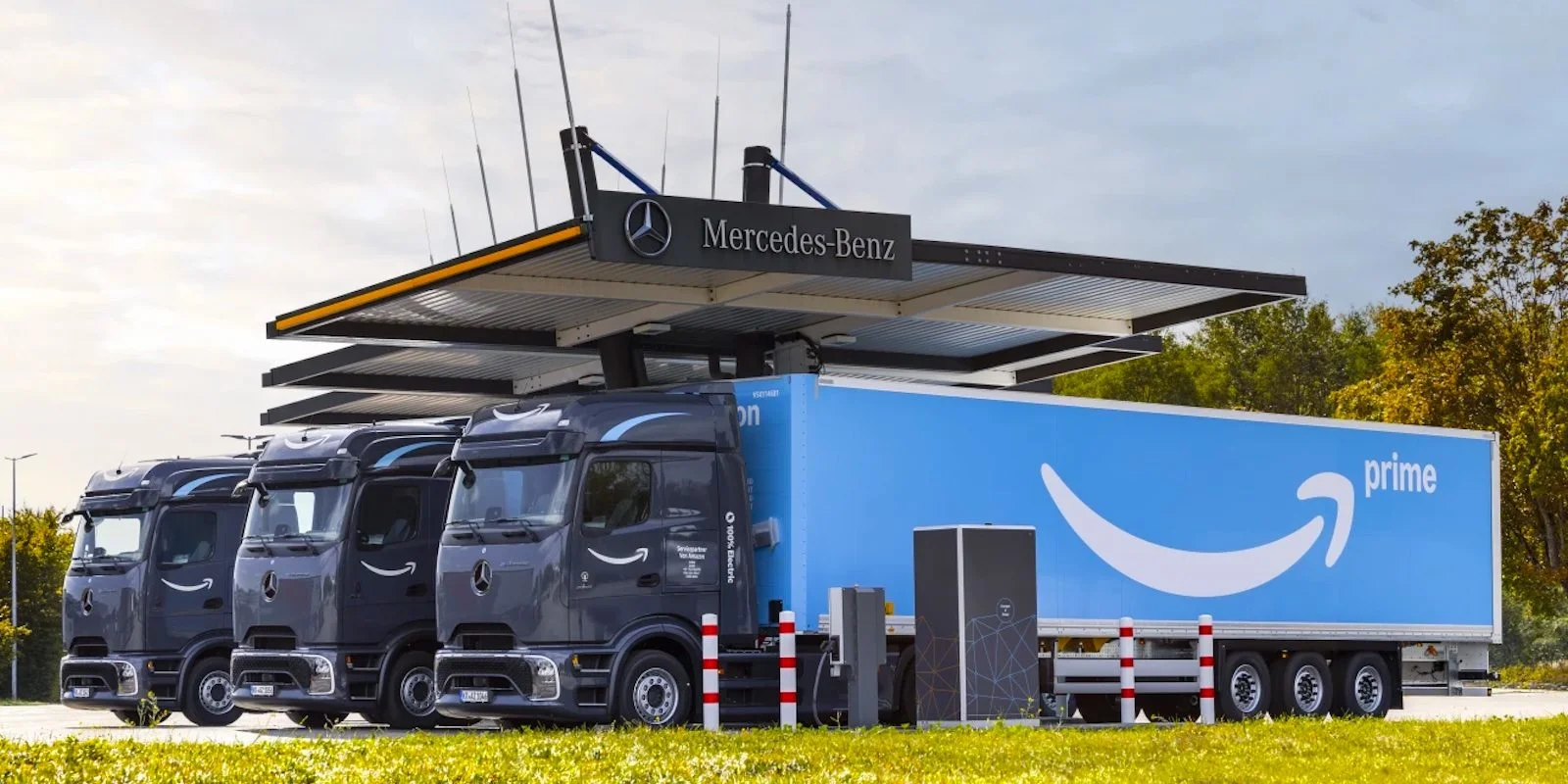
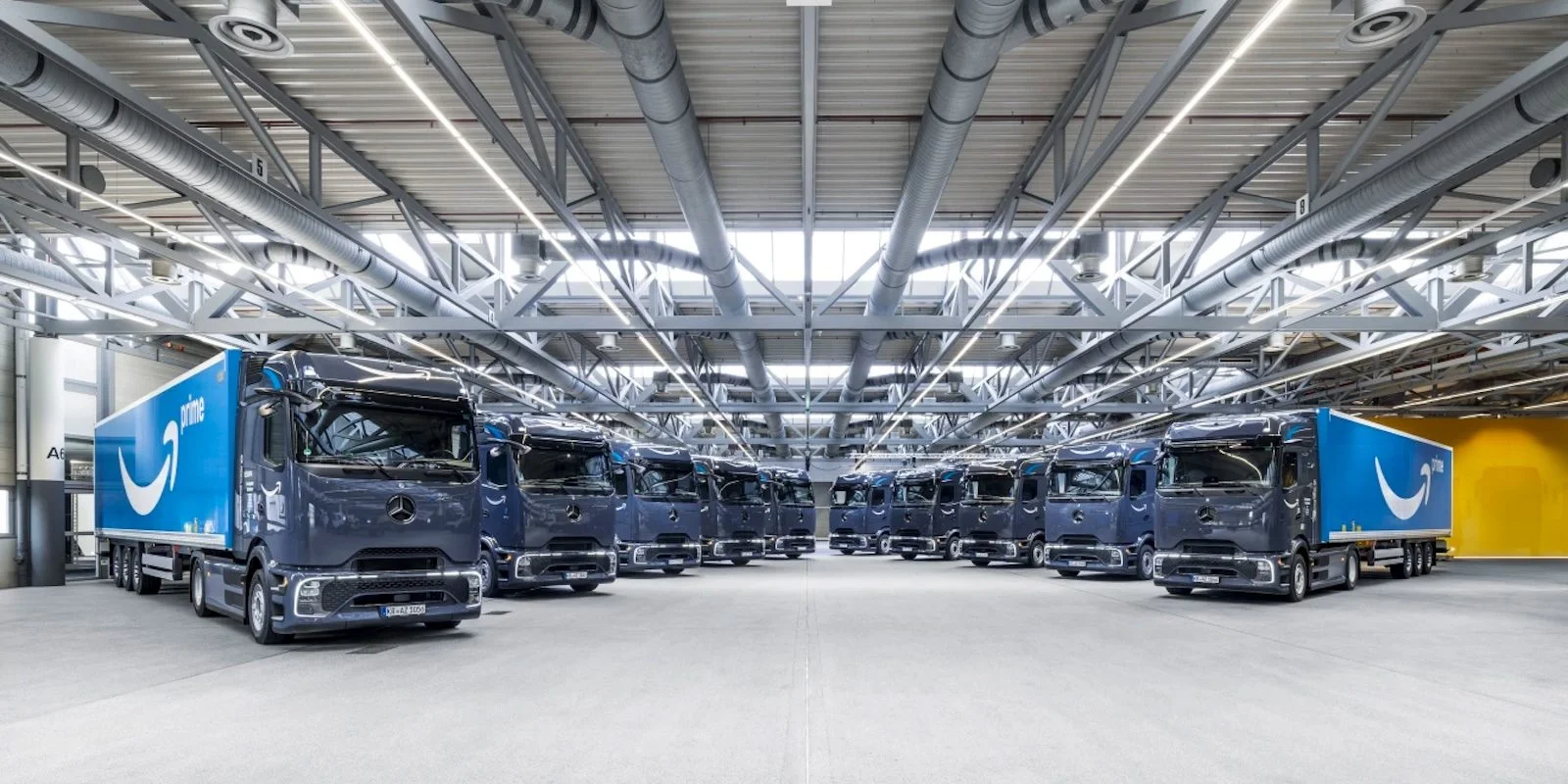
Amazon is intensifying its electrification efforts by introducing 50 Mercedes-Benz eActros electric semi trucks into its German logistics network by the end of 2026. This initiative is a significant milestone for the company as it seeks to enhance its sustainability and decarbonization strategies across its global transportation operations. In a sector often criticized for its substantial carbon footprint, this move positions Amazon as a leader in a necessary shift toward more environmentally friendly logistics solutions.
The Significance of Electric Trucks in Logistics
Electric trucks are beginning to reshape the transportation sector, presenting a viable alternative to traditional diesel-powered vehicles. This is more significant than it looks at first glance; as demand for cleaner delivery methods grows, companies like Amazon play a pivotal role in setting industry standards. Transitioning to electric vehicles (EVs) reflects broader environmental goals, and the logistics industry, responsible for a large portion of greenhouse gas emissions, stands at the forefront of this transformation. With climate change being a pressing issue, corporate commitments to sustainability are no longer optional but rather essential for survival in an increasingly eco-conscious market.
Amazon's introduction of the eActros trucks aligns with its quest not just for efficiency but for leadership in environmental stewardship. This is about more than just reducing emissions; it’s about redefining the company's image in a way that resonates with customers who prioritize sustainability. Increased scrutiny from consumers on corporate responsibility means that moves like this can build brand loyalty and trust.
Maximizing Efficiency
The eActros 600 features advanced 621 kWh battery packs designed to deliver an impressive range of around 500 kilometers (about 310 miles). Notably, this range positions Amazon to take advantage of the trucks on middle-mile routes, enhancing efficiency for longer deliveries. With an efficiency rating of 1.61 kWh per mile, these vehicles can carry substantial loads, averaging a combined vehicle weight of 36 metric tons (around 79,400 lbs.). This capability allows Amazon to compete directly with performance claims from other market players like Tesla, which have been making headlines with their electric truck developments.
According to Stina Fagerman, President of Mercedes-Benz Trucks’ Customer Region Europe, the reliance on their vehicles signifies industry's confidence in electric technology. This partnership between Amazon and Mercedes-Benz isn't just about vehicles; it's fundamentally about reshaping how goods are transported. The shift to electric is especially compelling for long-haul operations where efficiency, safety, and environmental impact become increasingly interconnected.
But the infrastructure to support these trucks is just as critical. For electric trucks to realize their potential, investment in charging systems must match the pace of vehicle deployment. That's why Amazon is establishing a comprehensive charging infrastructure in Germany. Hundreds of DC fast chargers will be installed, enabling quick battery replenishment from 20% to 80% in just over an hour. This significantly reduces downtime—a key factor in logistics operations where every minute counts.
Economic Implications
Amazon is committing over €1 billion to electrification initiatives across Europe, allocating more than €400 million specifically for operations in Germany. These investments can create ripple effects in the economy. According to an analysis commissioned by Frontier Economics, this can lead to the creation of over 35,000 jobs and contribute up to €3 billion to the German economy. It highlights a crucial factor: while the push for electric vehicles is environmentally motivated, it also possesses tremendous potential for economic stimulation.
Job creation through Amazon's electrification initiatives indicates a multi-faceted approach to business strategy. Not only does it signal a shift toward greener operations, but it also addresses employment concerns in the areas where these trucks will be deployed. The conversation often pivots on the immediate benefits of electrification, yet the long-term economic impact cannot be overlooked. These initiatives are set to transform various sectors, from battery manufacturing to charging infrastructure, thereby bolstering local economies.
Future Outlook: The Road Ahead
As Amazon continues to enhance its electric delivery network, its efforts aim to reduce carbon emissions and simultaneously support local economies through job creation and investment in technology. The implications of Amazon's foray into electric trucking extend far beyond its own operational efficiency. This is part of a broader narrative about the urgency of transitioning toward sustainable practices across all sectors. If you're working in this space, the stakes are high; adaptation could dictate success while stagnation may lead to obsolescence.
The future of logistics seems to hinge on electric vehicles, not just for environmental reasons but for economic viability. As more companies follow suit, we might see a tipping point that could alter the standards of logistics, driving technological and operational innovation. Any delay in transitioning could result in missed opportunities for advancement, not to mention potential regulatory pressures that can arise as public sentiment increasingly favors sustainability.
There's a tipping point on the horizon where electric-powered logistics could become a normalized standard rather than a niche commitment. The challenge for Amazon and its competitors will be to keep pace with these new expectations while managing the growing operational complexities that come with such a transition. And this is the part most people overlook: the interplay between sustainability efforts and profitability. Balancing these will be critical for long-term success.

Discussion
Sign in to join the discussion.