Caterpillar's new D11 XE Electric Drive dozer enhances productivity and cuts fuel costs, marking significant advancements in heavy machinery technology.
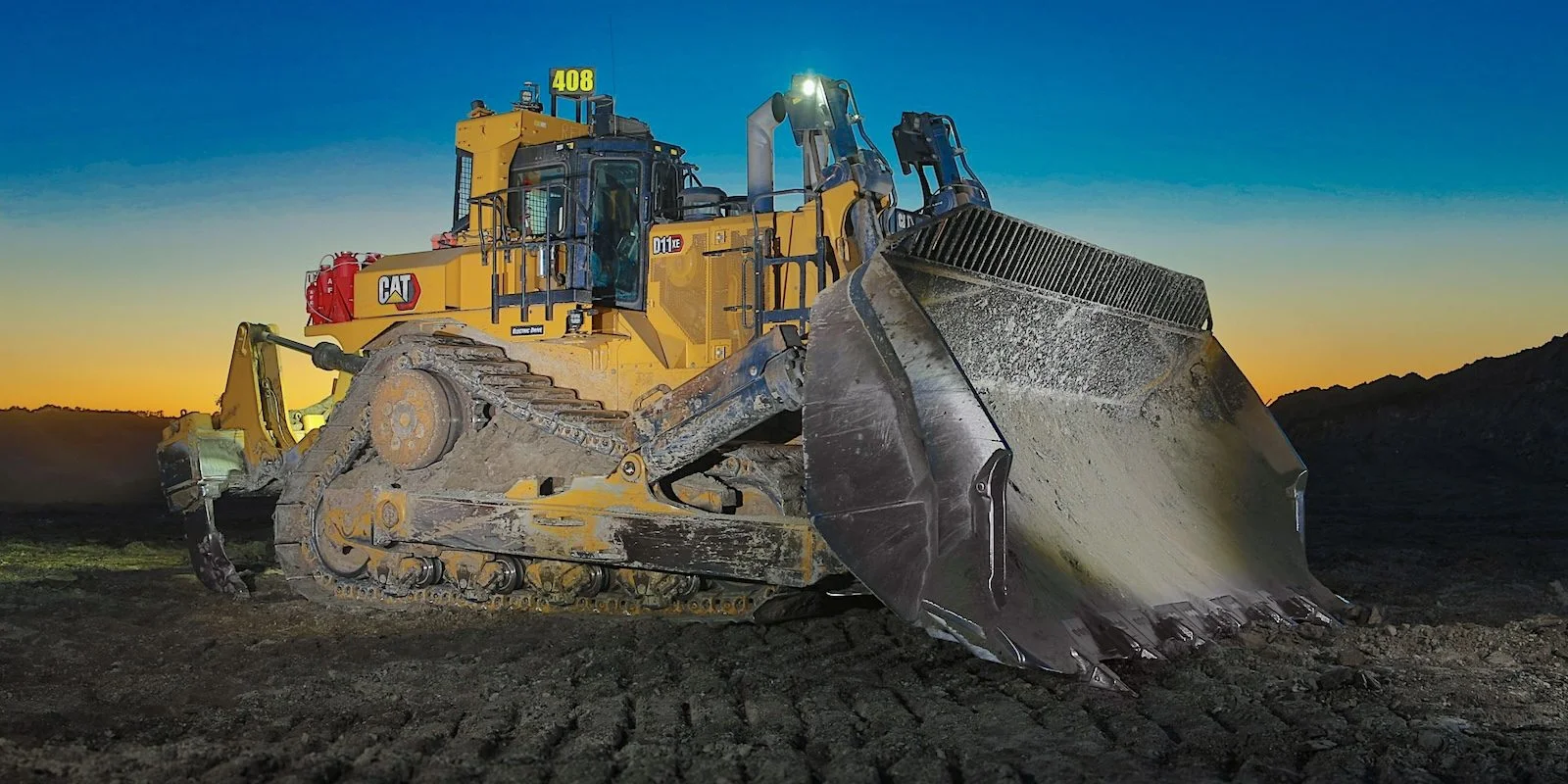
For generations, diesel-electric locomotives have been a staple in America's expansive terrains, leveraging the potent combination of diesel engines and electric motors for unmatched efficiency. Caterpillar is now channeling this tried-and-true approach into its latest offering, the D11 XE Electric Drive dozer. With impressive performance upgrades, this product could redefine productivity in construction, ensuring that companies maximize both output and operational efficiency.
Efficiency as a Core Value
| Engine | Cat® C32B |
| Powertrain | Electric drive |
| Emissions | Meets U.S. EPA Tier 2 equivalent and U.S. EPA Tier 4 Final/EU Stage V |
| Net* power forward | 642 (861) |
| Net* power reverse, Tier 2 equivalent | 715 (959) |
| Net* power reverse, Tier 4 Final/EU Stage V | 712 (955) |
| Speed | 0-11.2 (0-7.0) |
| Operating weight | 108 316 (238,796) |
| Blade capacity (Semi-Universal) | 27.2 (35.6) |
The D11 XE delivers a remarkable reduction in fuel consumption—up to 25% less per unit of material moved—while simultaneously moving 5% to 10% more material per hour compared to its predecessor, the traditional D11. This machine's electric design promises enhanced longevity—with up to 20% longer intervals between necessary internal combustion engine (ICE) rebuilds, and component repair intervals extending from 15,000 to 18,000 operating hours. Such figures reflect a serious commitment to lifecycle value, which should resonate with companies keen on reducing operational downtime.
Luke Fischer, a product application specialist at Caterpillar, emphasized that, “The D11 XE is designed to help customers get more from every hour of operation.” This is more significant than it looks. Such enhancements are particularly relevant in a sector where slim margins dictate that every small improvement in efficiency translates to a direct increase in profitability. Notably, this dozer achieves efficiency levels up to 40% higher than the original D11N launched back in 1986, highlighting not just the leaps in technology but also the need for companies to evolve with it.
Operator Experience Reimagined
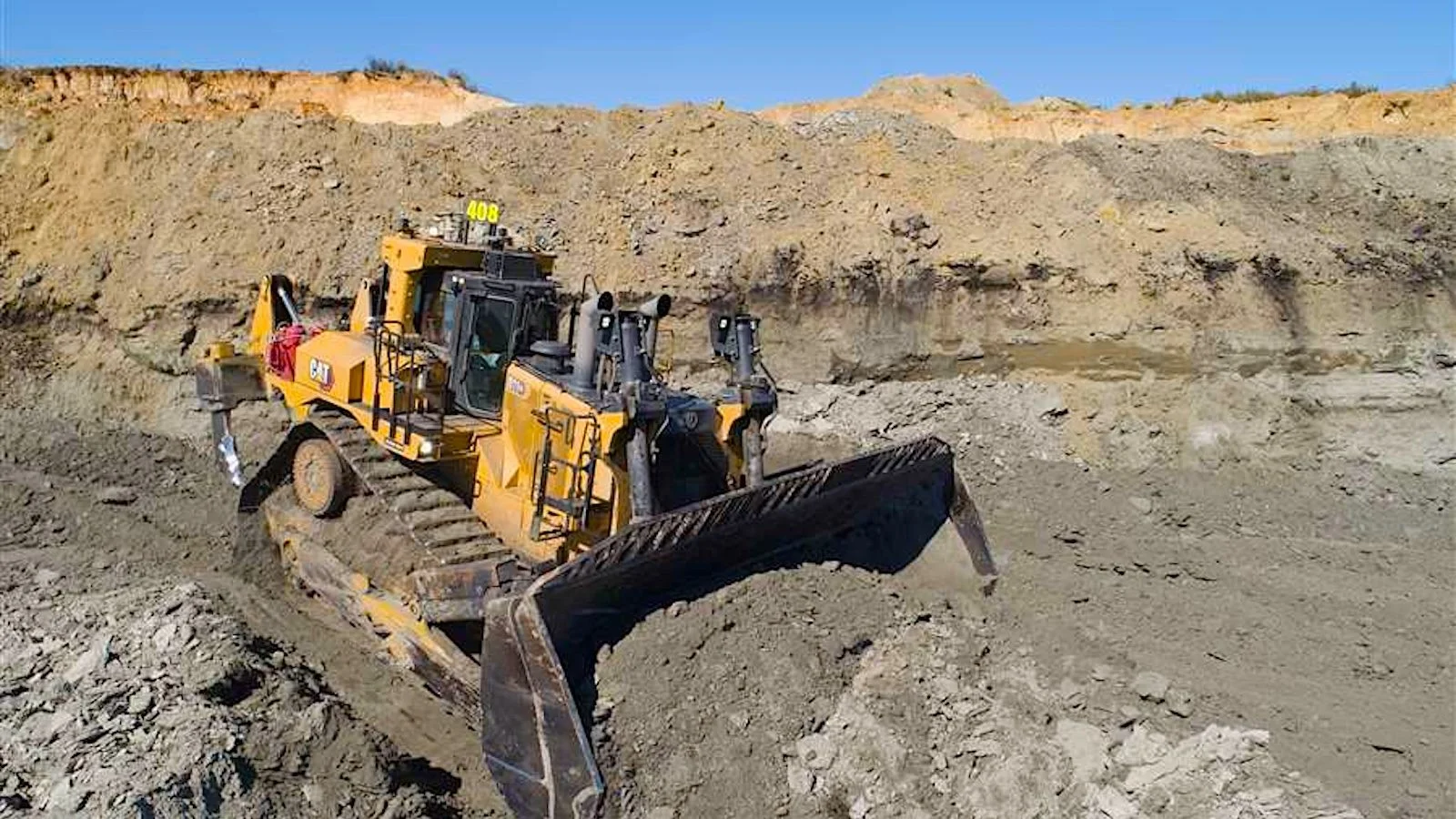
But this dozer isn't only about numbers; it's crafted for enhancing the overall operator experience. The absence of gears leads to a smoother operation that's less intimidating for operators, especially those who may be transitioning from traditional machinery. Each track is powered by a dedicated drive motor, which significantly improves maneuverability and precision. This design ensures maximum pry-out force and control during operation, which can be a game-changer for site efficiency.
To foster a smoother learning curve for users, Caterpillar provides an array of on-demand training resources through its online platform, catoperatortraining.com. This platform is a boon for operators, allowing them to familiarize themselves with electric drive systems, accommodating both tech-savvy users and those adapting to new technologies. This kind of support is essential; equipment is only as good as the operators who can control it.
The D11 XE is not alone in its electric aspirations; it joins Caterpillar’s existing lineup of D8 and D6 XE Electric Drive dozers, all promising similar benefits in fuel efficiency and reduced maintenance costs compared to traditional machines. This expansion hints at a clear direction for Caterpillar—a pivot to electric solutions that could dramatically alter fleet operations and total costs for operators.
Industry Perspectives
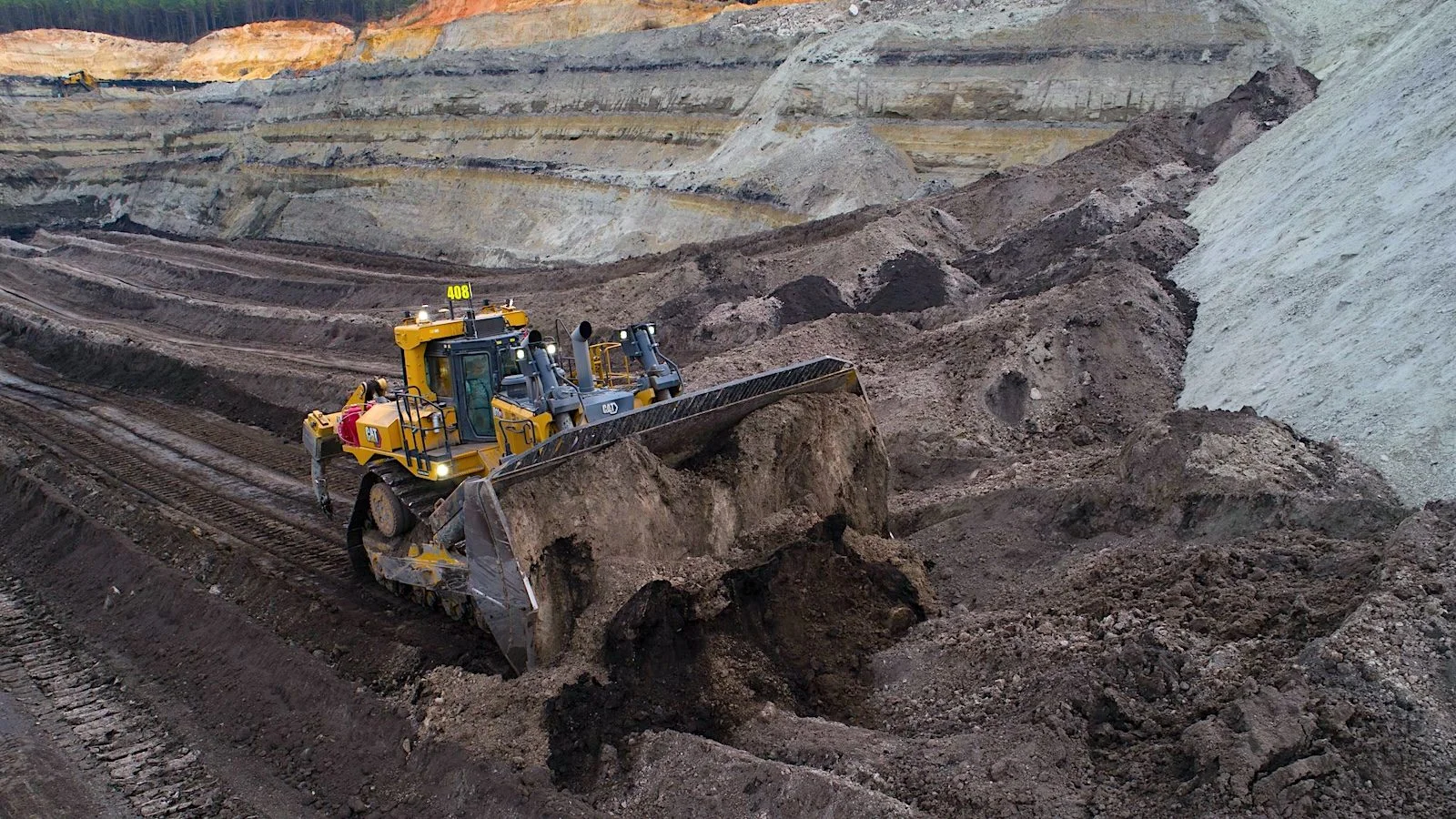
The growing trend toward electric drive equipment reflects a widespread recognition that operational efficiency is increasingly valuable. The advantages of reduced noise, improved safety, and fewer sick days make a compelling case for electric adoption in heavy machinery operations. There's a palpable shift in focus on functionality over mere compliance with sustainability narratives—something many industry players are starting to realize.
Market specialist Sam Meeker summarized this sentiment: as operators become more accustomed to the benefits of electric systems, “we expect that adoption of electric drive systems in earthmoving equipment will continue to grow.” The implication is that companies willing to adapt early will likely see the most significant advantages in cost and productivity. Simply put, if a machine performs better and is cost-effective, fleets will be inclined to integrate it into their operations. The D11 XE Electric Drive dozer exemplifies this ethos—offering a compelling mix of performance and savings that ought to attract significant interest in the construction sector.
Future Outlook
The implications of the D11 XE's release extend beyond mere specifications. The construction industry stands on the precipice of transformation, as electrification might reshape operational workflows and equipment procurement strategies. If you're working in this space, consider how shifts towards electric equipment could influence your competitive edge. The ongoing rise in fuel costs makes this move even more pressing.
(And this is the part most people overlook) The true advantage of electric machinery lies in the potential for reduced operational costs, increased uptime, and a cleaner environmental footprint. Companies that embrace these advancements early may find themselves not just surviving but thriving in an increasingly competitive market. The D11 XE isn’t merely a piece of machinery; it represents a potential pivot point for the entire industry.
SOURCE | IMAGES: Caterpillar.

Discussion
Sign in to join the discussion.