The uncamouflaged Porsche 718 Boxster was recently spotted testing at Nürburgring, offering insights into its electric evolution amid earlier cancellation rumors.
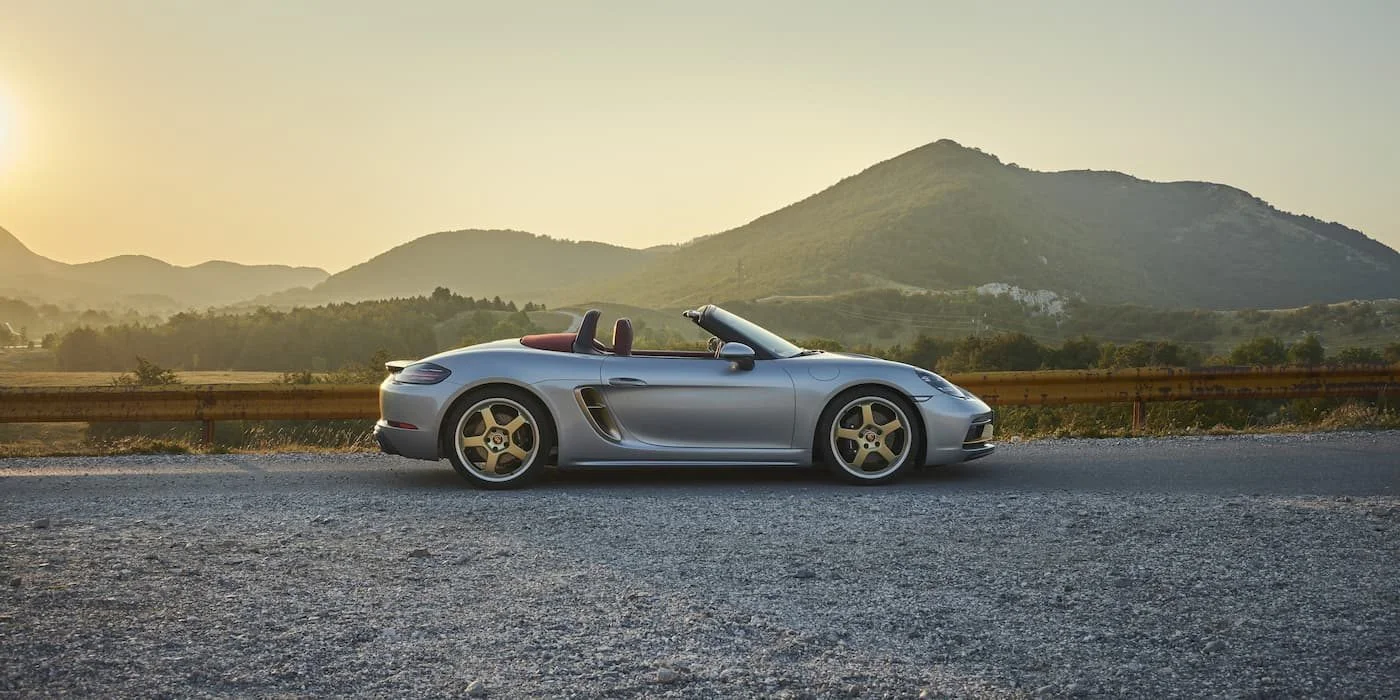
Porsche has given automotive enthusiasts a glimpse of the upcoming 718 Boxster during testing at the Nürburgring, one of the most challenging tracks globally. This uncamouflaged version puts to rest previous uncertainties surrounding the model’s future, particularly after recent speculation regarding its discontinuation. This generous reveal marks a striking move in an age of transition where consumer expectations and environmental regulations heavily influence auto manufacturers’ strategies.
An Overview of Porsche's Electric Shift
The company has been rolling out electric vehicles across its lineup, from the powerful Taycan to upcoming electric variants of the Macan and Cayenne. However, it has largely shied away from transitioning its core sports cars to electrification, leaving many to wonder about the status of the 718 series. As one of the leading performance brands, Porsche faces a dual challenge: maintaining its thrilling driving dynamics while adhering to global pressures for sustainability. The task is complex, given that many loyalists equate the brand with high-performance gasoline engines, and only time will reveal how well Porsche can marry this legacy with the demands of electric mobility.
Speculation and Assurance on the Future of 718
Originally, Porsche planned to phase out the 718 Boxster and Cayman by 2025, prompting speculation that their successors would embrace electric propulsion. This uncertainty was amplified by fluctuating attitudes within the industry, evident in the hesitations expressed by European automakers to commit to EVs. However, Porsche's new CEO, Michael Leiters, reassured fans that the electric version of the 718 is indeed on the way. His recent statement emphasized that, “we will build the model – because it is the best solution economically and will be a fantastic car.” This assertion reflects a commitment not just to keeping the nameplate alive, but to pushing the boundaries of what performance can mean in a new electric form. By sharing a platform with Audi’s TT, this future 718 will benefit from already established technological advancements, which may ease concerns about performance parity with its combustion predecessors.
Design Elements Observed During Testing
By capturing images of the Boxster in action on the Nürburgring, observers can now assess how the new design diverges from the current model. Although it shares some familiar traits, several notable modifications stand out. For instance, the front air intakes feature distinct louvers that not only enhance the vehicle's aesthetic appeal but could also potentially optimize aerodynamics under various conditions. Aerodynamics will play an increasingly vital role for electric vehicles, as efficiency becomes paramount to maximize range. The headlights draw inspiration from the Taycan, presenting a more streamlined appearance, while the side skirts appear more substantial than before.
Interestingly, the side air intakes seemed smaller or perhaps even absent entirely, reflecting the change from a combustion engine to an electric powertrain. The absence of traditional elements indicates a significant shift in how performance is approached; where fuel economy once dictated designs, it's now air management that takes precedence. Additionally, the rear end lacks exhaust outlets, hinting at a new charging door in an unusual location that strays from Porsche's conventional practice of dual charging port positioning. This design choice may not just be aesthetic; it represents the practical challenges that come with transitioning to an entirely new powertrain architecture.
Production Outlook and Customization Possibilities
Though the model seen is likely close to its production form, Porsche may still implement minor design tweaks or offer diverse options, a hallmark of the brand's approach to customization. This customer focus might be more critical than ever, particularly for those wary of electric vehicles. As potential buyers weigh the decision to transition to an electric Porsche, personalized options for performance tuning could be a powerful draw to sway traditionalists who fear a loss of driving excitement.
Implications for Porsche and its Buyers
The anticipation surrounding the 718 Boxster has only intensified following these revelations. As it stands, this model is expected to hit the market in the coming year, keeping enthusiasts eagerly on the lookout. Yet, as Porsche nears the launch of the electric Boxster, it remains to be seen how this evolution will resonate with purists and new buyers alike. The combination of performance heritage with electric efficiency has already sparked debates within the community.
Could an electric sports car maintain the driving excitement found in its fossil-fueled predecessors? Only time will tell. The shift towards electrification isn't just about adopting a new technology; it's a societal shift. What this means for you, if you're an enthusiast, could entail a more accessible version of the sporty thrill that defined past models. The future remains uncertain, but the promise of cutting-edge performance is likely to bring both excitement and skepticism.
If you're considering an electric Porsche for a different driving experience, the upcoming Macan EV is another option to explore while we wait for the Boxster to debut. Stay tuned for further updates as more details emerge about these exciting developments. Remember, change doesn't come easy, but it's these very transitions that could redefine the driving experience we know.
Discussion
Sign in to join the discussion.