Elon Musk's endorsement of a video showcasing risky behavior with Tesla's Full Self-Driving feature heightens concerns over driver safety and legal liability.
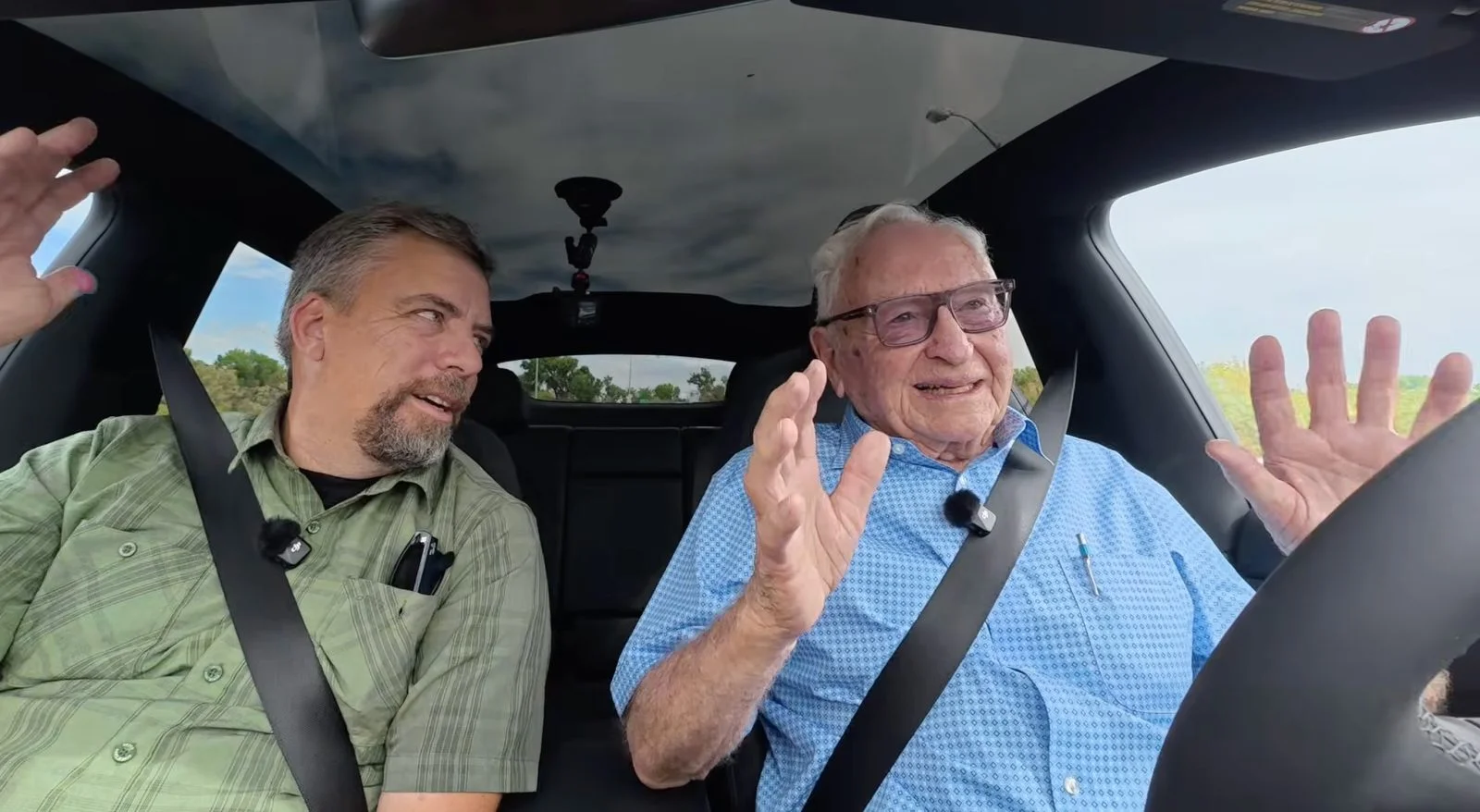
Elon Musk has stirred controversy once again by promoting the misuse of Tesla's Full Self-Driving (FSD) feature, highlighting a video of a 98-year-old man, Larry, who openly admits that he no longer watches the road while using the service. This clip, while charming, is alarming given the growing number of lawsuits against Tesla involving crashes linked to FSD and its associated driver behavior.
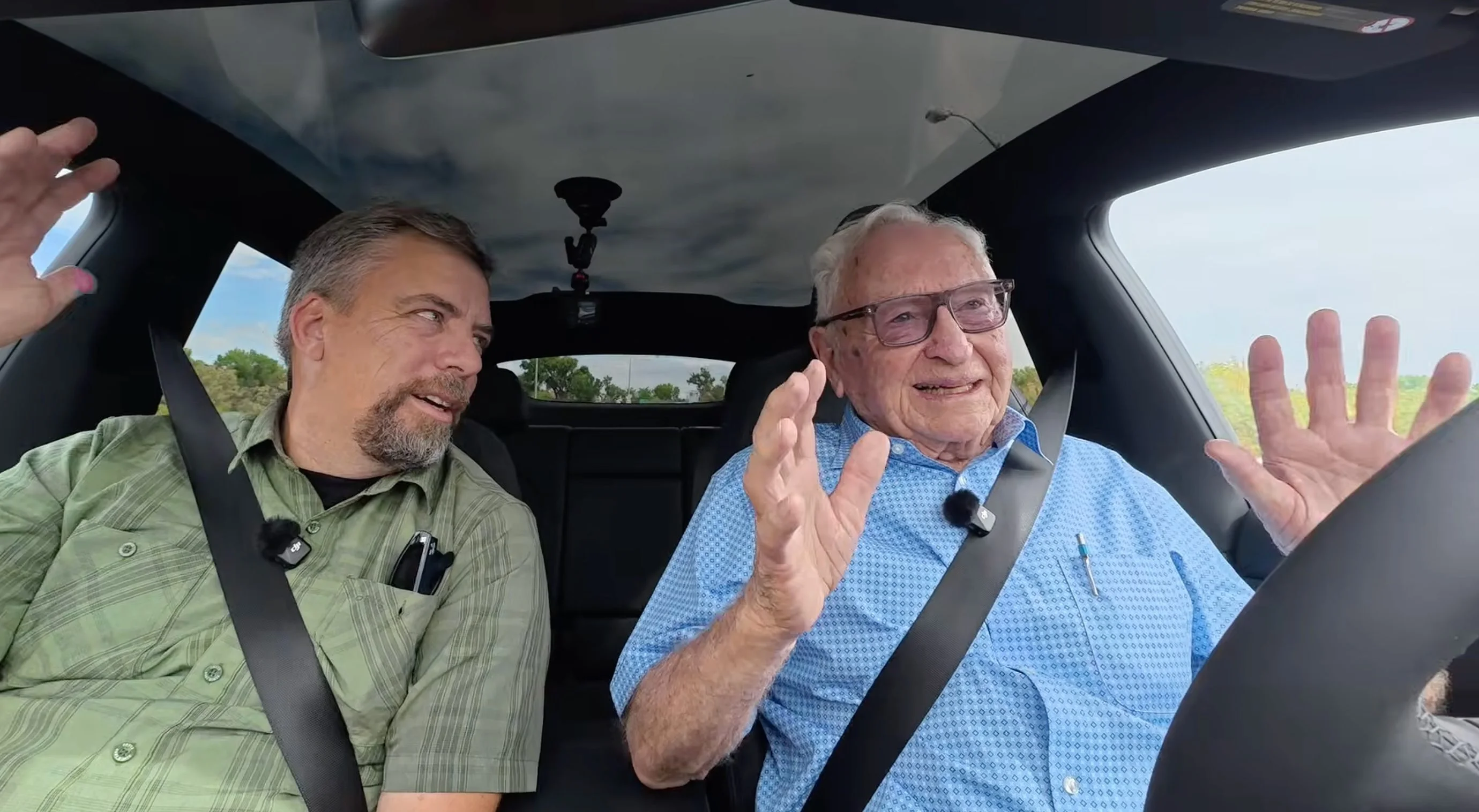
A 98-Year-Old Who Has Stopped Paying Attention
In a noteworthy segment shared by The Fast Lane (TFL), Larry from Farmington, New Mexico, discusses his experiences with Tesla’s FSD (Supervised) while driving around town in his Model Y. The tweet, which earned Musk's attention and got over 9 million views, shows Larry expressing his disdain for traditional driving responsibilities. "I don’t want to look at every intersection," he states, indicating that he appreciates the system’s ability to navigate on its own.
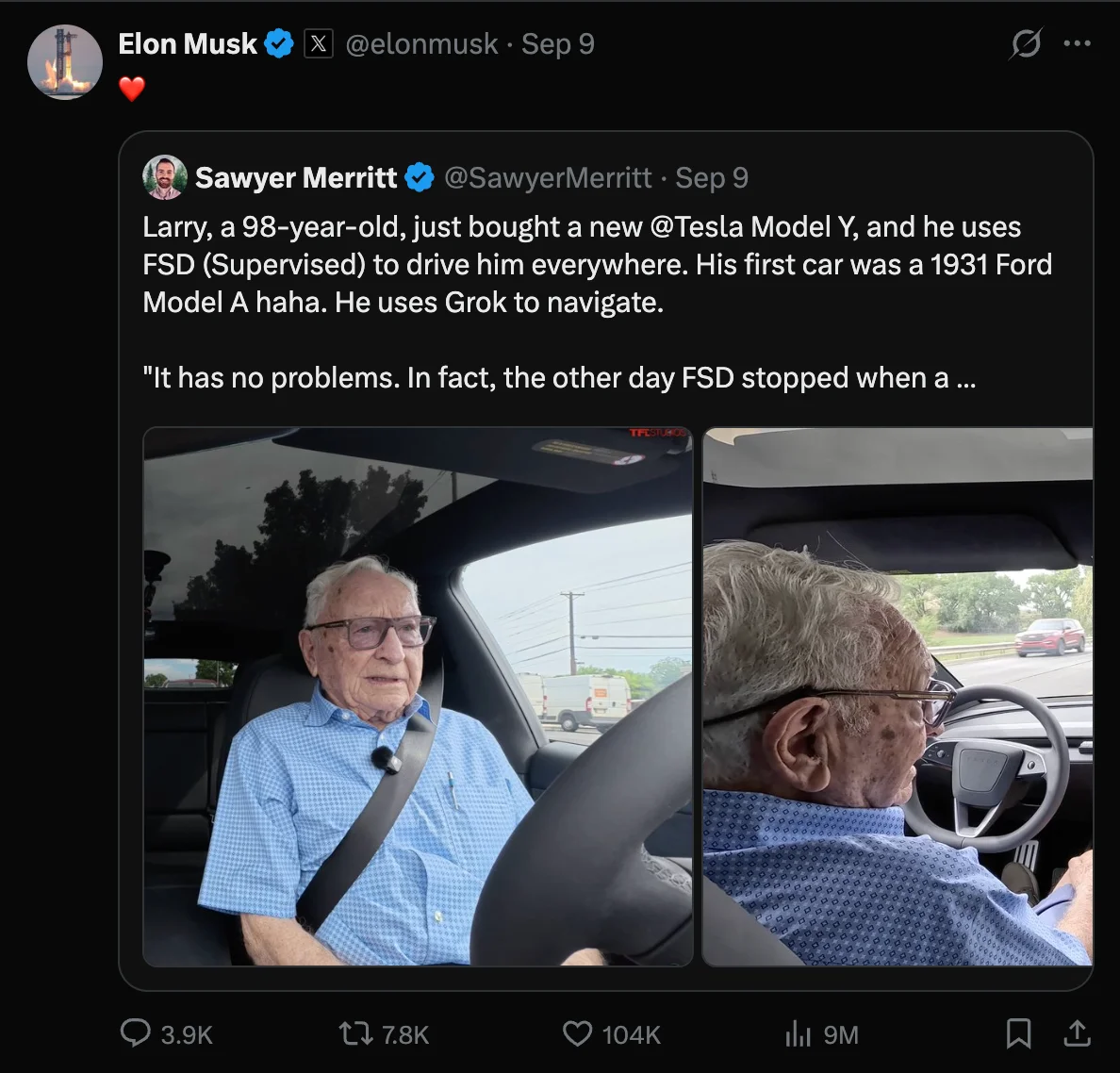
Larry, who has an extensive history with cars, including ownership of over 100 vehicles, firmly states, “I trust it 100%.” However, his cavalier attitude towards driver supervision raises significant safety concerns, particularly at critical moments such as navigating intersections—tasks where being alert and ready to respond is essential.
Terms of Service Conflict With Reality
Tesla has labeled its FSD software as “Supervised” for good reason. According to Tesla's own terms, the system does require active driver supervision and isn’t fully autonomous. This raises an important contradiction: Larry’s admissions appear to directly violate the safety stipulations that are supposed to be central to using FSD.
While Larry claims he hasn’t experienced any mistakes from the FSD system in recent months, the technology is not without its flaws. Notably, in the video itself, the car exhibits issues when it misses an intersection sign. According to various reports, incidents involving FSD and Autopilot have resulted in crashes, raising ongoing legal scrutiny regarding the technology’s reliability.
Potential Legal Ramifications for Tesla
Tesla’s liability in FSD-related crashes is mounting. Historically, the company has argued that drivers are responsible because they must supervise the vehicle's operation. However, Musk's endorsement of Larry’s unmonitored driving habits might undermine this defense. Past incidents, including a costly judgment against Tesla in a fatal Autopilot case, highlight the critical nature of maintaining driver awareness and intervention capabilities.
Musk’s promotion of Larry's reliance on the FSD feature without supervision adds another layer of complexity to Tesla's legal battles. An uptick in lawsuits—claims totaling as high as $14.5 billion across numerous cases—means that amplifying someone’s admission of neglecting necessary oversight could be detrimental to the company’s defense in court.
Reflections on Tesla's Messaging Strategy
It’s easy to sympathize with Larry; his charming persona and enthusiasm for Tesla evoke an air of nostalgia mixed with modern technological excitement. Yet, this situation illustrates a deeper issue within Tesla's marketing narrative: the disconnect between customer experiences and the technical limitations of FSD. Despite the impressive capabilities of the technology, the company's messaging often blurs the line between driver-assist and full autonomy.
Critically, the term “Supervised” does not seem to align with the behavior exhibited by some users, influenced by marketing that implies a higher degree of autonomy than what is achievable. As seen in this recent incident, the tendency for drivers to downplay their responsibility while using FSD carries significant risks, especially as the user base grows.
Drivers like Larry may feel empowered by this technology, but the reality is that FSD is not yet proficient enough for unsupervised operation. Tesla’s failure to enforce clear safety practices, alongside Musk’s questionable promotion of reckless behavior, could potentially lead to dire consequences on the road.
As we look ahead, it’s crucial to reflect on how such narratives influence public perception and understanding of driver assistance technologies. While the capabilities of FSD are exciting, ensuring safety through vigilant driving practices must remain a non-negotiable expectation for all users. For now, I hope not to see more headlines involving Larry and similar situations, as the implications could be severe.
Discussion
Sign in to join the discussion.