A court has blocked the DOE's attempt to keep a malfunctioning coal plant in Michigan open, deeming it unnecessary and costly for ratepayers.
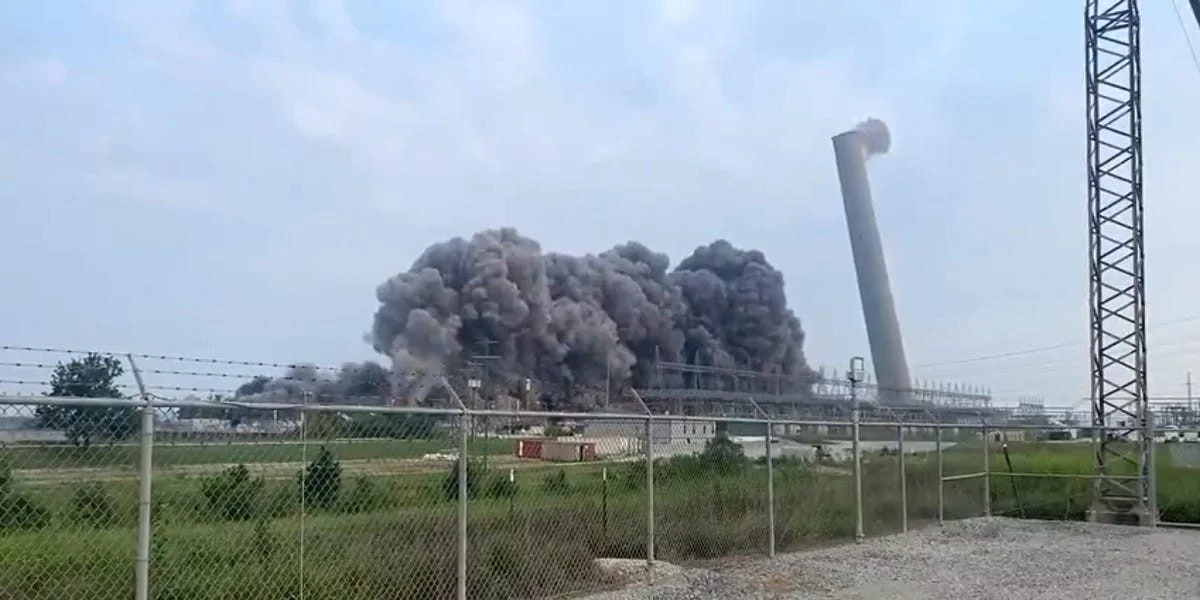
A recent court ruling has put a halt to the Department of Energy's (DOE) controversial orders aimed at keeping a malfunctioning coal plant in Michigan operational. The decision underscores the lack of urgency previously cited by the DOE, which had insisted on keeping the plant open to address supposed energy "reliability" issues, despite widespread opposition and evidence to the contrary.
The Campbell coal plant, which had been scheduled to retire in May 2025, was forced into extended operation for over 468 days, incurring significant costs to ratepayers. The court's decision came as part of a broader legal challenge involving multiple coal plants across the country, all subject to DOE emergency orders that many claim were not supported by factual evidence.
The Court Ruling and Its Implications
In a decisive move, a DC appeals court invalidated the DOE's emergency order, stating there was no legitimate basis to compel the operation of the Campbell plant. This ruling signifies a significant setback for the DOE and its attempts to keep outdated and inefficient coal plants running, especially when the market is shifting rapidly towards cleaner energy sources.
Specifically, the Campbell plant has already cost ratepayers a staggering $259 million during its unplanned operation. The court determined that the DOE overstepped its authority, effectively vacating the order and providing a legal precedent that may influence other similar cases involving coal plants. This outcome is a victory for environmental advocates and several states, including Michigan, Minnesota, and Illinois, who joined forces to challenge the DOE's actions.
Impact on Other DOE Orders
Following this ruling, there’s a strong likelihood that other emergency orders issued by the DOE will meet similar fates in court. The DOE has been under scrutiny for issuing similar orders for six other coal plants across the United States. Legal experts suggest that the reasoning applied in the Campbell case could undermine the DOE’s defense of these additional orders, forcing a reconsideration of its strategy moving forward.
Ted Kelly, lead counsel for the Environmental Defense Fund (EDF), expressed hopes that the DOJ would recognize the ramifications of this ruling across its other cases, stating, "This decision eliminates the basis for arguing that any of the renewals are lawful." His comments reflect a growing frustration with outdated energy policies that prioritize coal over emerging renewable alternatives.
Coal's Declining Relevance
The reality is that coal has been losing its footing as a viable energy source for years, plummeting from nearly half of U.S. electricity generation in the early 2000s to just 17% today. The push to transition away from coal is not just coming from environmental groups; even the owners of the plants themselves have expressed resistance to the government's mandates.
The notion of coal as a reliable energy source has been widely criticized, particularly given the rising costs and environmental concerns associated with its use. As the nation progresses toward more sustainable energy systems, the push to keep such plants afloat appears increasingly misguided.
A Legacy of Legal Challenges
This ruling is part of a larger pattern of legal challenges faced by the Trump-era energy policies. Environmental groups, particularly the NRDC, have recorded significant successes against these policies, winning over 90% of their cases. These ongoing legal battles reflect deep divisions over energy strategies and highlight the urgent need for policy updates that align with current environmental priorities.
Even as many acknowledge the inevitable decline of coal, the resistance from certain government officials and industry advocates complicates the transition toward cleaner energy. The recent court ruling not only reinforces the legal challenges against ineffective policies but also symbolizes growing public discontent with outdated energy practices.
Looking ahead, it’s clear that the combination of public demand for cleaner energy and increasing legal pushback against fossil fuel policies will continue to reshape the energy landscape. The decision regarding the Campbell plant serves as both a cautionary tale and a hopeful indication of what can be achieved when facts and public interest align against stagnant energy practices.



Discussion
Sign in to join the discussion.