Nissan's new Leaf S undercuts Kia's EV3, making it the lowest-priced electric vehicle in Canada while offering significant range and features.
Nissan Leaf Takes the Lead in Canada’s Affordable EV Market
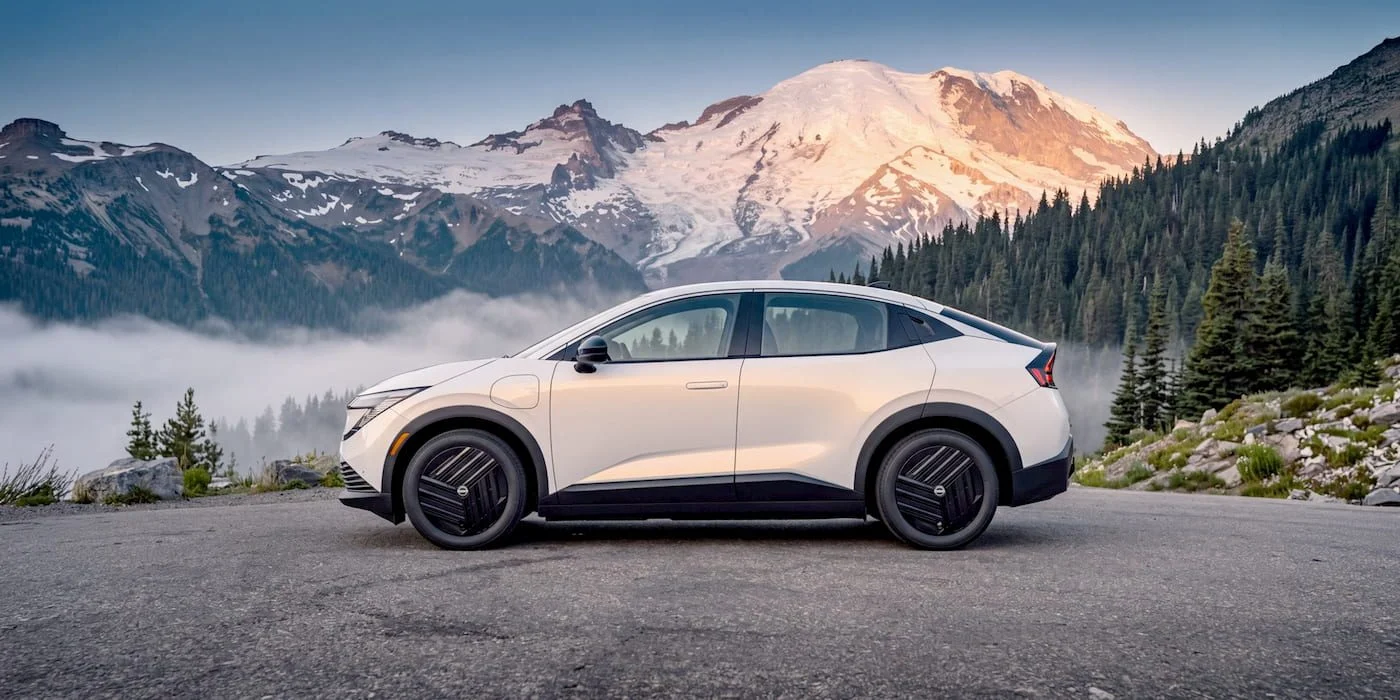
With the introduction of the 2027 Leaf S starting at CA$34,998, Nissan has reclaimed its position as the most affordable electric vehicle in Canada. This effectively places it ahead of the Kia EV3, which recently launched at CA$36,995, reaffirming Nissan's strategy to appeal to budget-conscious consumers.
This pricing strategy shifts the dynamics of the entry-level EV segment, as the Leaf is now positioned under CA$35,000. When factoring in Canada’s Electric Vehicle Affordability Program (EVAP) incentives, the Leaf could dip below CA$30,000 for buyers, making it one of the most accessible options for first-time EV owners. The implications of this move are significant, as it not only attracts consumers who may have been hesitant to invest in electric vehicles but also pressures competitors to reassess their pricing strategies. Many potential buyers are motivated by lower upfront costs, and Nissan recognizes this trend.
“This new grade gives Canadians the lowest-priced entry point into EV ownership,” remarked Steve Rhind, President of Nissan Canada. Nissan's strategy reflects a deep understanding of consumer psychology. In a market where price often trumps features, this statement is more than just marketing—it signals a tactical shift to capture a growing market segment that prioritizes affordability.
Comparative Specs: Leaf S vs. Kia EV3
In terms of performance, the Leaf S is equipped with a 53 kWh battery powering a single electric motor that delivers 174 horsepower, achieving a range of up to 341 km. This range is adequate for most daily driving needs, especially in urban settings. In contrast, the EV3 offers a more diverse lineup with two battery options—its base model features a 58.3 kWh battery, yielding up to 356 km. Higher trims of the Kia offer an 81.4 kWh battery with ranges reaching 517 km, appealing to a different cohort of buyers who might prioritize longer trips.
| 2027 Nissan Leaf Grade | Battery | MSRP | Selling Price* |
|---|---|---|---|
| LEAF S | 53 kWh | CA$34,998 | CA$37,966 |
| LEAF S+ | 75 kWh | CA$45,198 | CA$48,139 |
| LEAF SV+ | 75 kWh | CA$48,198 | CA$51,139 |
| LEAF PLATINUM+ | 75 kWh | CA$52,998 | CA$55,966 |
Pricing and Features Overview
The 2027 Kia EV3 is available in several configurations, allowing buyers to find a model that matches their budget and needs. The cheapest trim, Light, is priced at CA$36,995, while higher trims range significantly, with the GT AWD topping out at CA$55,995. This wide pricing spectrum illustrates Kia's strategy to cater to varying consumer requirements—from those looking for cost efficiency to enthusiasts seeking high performance. Both the Nissan Leaf and Kia EV3 come standard with a dual 12.3” display for infotainment and instrumentation, including wireless Apple CarPlay and Android Auto, underscoring the importance of technology integration for modern drivers.
| 2027 Kia EV3 Trim | MSRP | All-In Price* |
| Light FWD | CA$36,995 | CA$39,744 |
| Wind FWD | CA$40,995 | CA$43,744 |
| Wind AWD | CA$43,495 | CA$46,244 |
| Land FWD | CA$43,495 | CA$46,244 |
| Land AWD | CA$45,995 | CA$48,744 |
| GT-Line FWD | CA$45,995 | CA$48,744 |
| GT AWD | CA$55,995 | CA$58,746 |
Charging and Future Landscape
Both models utilize an NACS charge port, with the Leaf capable of recharging from 10% to 80% in approximately 35 minutes. Meanwhile, the EV3 reaches that range in about 29 minutes, which could be a deciding factor for those who prioritize quick charging times. For U.S. consumers, the Kia EV3 Light starts at about $29,890, where the Leaf S trim is available only with the 75 kWh battery variant, narrowing its market appeal.
As the EV market rapidly changes, competition is set to become fiercer as new entrants emerge, particularly with anticipated offerings from Chinese manufacturers. This shift directly impacts pricing strategies and technological features. It's expected that more affordable and efficient EV models will begin to surface, potentially reshaping consumer expectations and choices. If you're working in this space, you'll want to keep an eye out for how these dynamics unfold. What remains to be seen is how long the Nissan Leaf can maintain its affordability advantage in this shifting market, especially as consumer preferences evolve.
As consumer priorities shift toward cost-efficiency and range capabilities, the question remains: which entry-level electric vehicle would you consider driving—the Kia EV3 or Nissan Leaf? This decision isn't just about personal preference; it reflects a larger narrative on the future of electric vehicle adoption in Canada. Expect the unexpected.
Implications and Future Outlook
This latest development isn't just about Nissan regaining its lead in the affordable EV segment; it reflects broader trends affecting the entire auto industry. With rising fuel prices and a push for sustainability, these affordability initiatives are key for customer adoption rates. The Leaf's pricing under CA$35,000 makes it particularly inviting for consumers who are still on the fence about switching from traditional gas-powered cars.
The future of the Nissan Leaf, while promising, hinges on its ability to adapt to new technological advancements and even greater competition. There’s a whole ecosystem of evolving electric vehicle infrastructure—beyond just competitive pricing—that will dictate success in this sector. With the current offering from Nissan, the Leaf may have the edge at the moment, but electric vehicle history shows us that complacency can be deadly in a rapidly evolving market. Certain Honda Civics or Ford Mustangs have long reigned supreme, only to be toppled by fresh entries.
Ultimately, the implications of Nissan's pricing strategy echo broader economic themes, focusing on accessibility and consumer choice. As the landscape shifts, one thing is certain: both companies will have to innovate and adapt to stay relevant. The stakes won’t just be about who offers the best price but who delivers the most value, features, and sustainability. Only time will tell how this competition will unfold.

Discussion
Sign in to join the discussion.