CATL has launched trial production at its new Debrecen battery plant, aiming to boost its European supply chain and meet rising local demand.
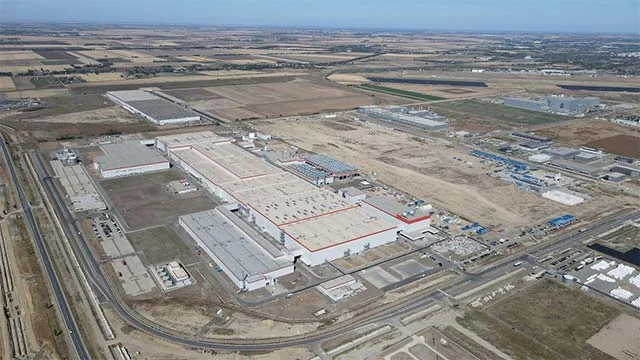
Trial Production Begins in Debrecen
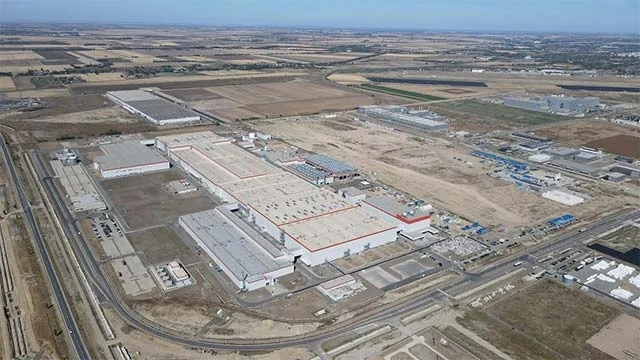
CATL has officially initiated trial production at its state-of-the-art battery cell factory in Debrecen, Hungary. This move is more significant than it looks, signaling CATL’s growing ambition to bolster its manufacturing capabilities in Europe. As a leader in the electric vehicle battery sector, CATL's development in Debrecen represents not only an expansion of its production footprint but also a critical pivot toward meeting surging demand for electric vehicle batteries on the continent.
Operational Milestones Achieved
The trial production phase commenced on September 22, 2026, following CATL's successful acquisition of the necessary operational permits. This is no small feat; regulatory approval can often be a lengthy and complex process, especially when it involves large-scale manufacturing. The factory will initially focus on two cell manufacturing lines, which serve a critical role in validating production setups and optimizing workflows before CATL transitions to full-scale operations. This phase can be challenging, but it’s essential for establishing reliable manufacturing practices that will support future production goals.
Commitment to Environmental and Employee Safety
As the trial period progresses, CATL plans to collaborate closely with the Hungarian government and local entities. The company has stated that it prioritizes environmental standards, employee health, and workplace safety during these operations. In an era where sustainability is at the forefront of consumer consciousness, CATL’s commitment to these principles will be closely scrutinized. It’s not merely about meeting regulations; it’s about fostering a company culture that values safety and environmental stewardship, values that are becoming increasingly important to investors and customers alike.
Expansion Strategy in Europe
The establishment of the Debrecen facility was first announced in August 2022, which underscored CATL's strategic intent to solidify its presence in Europe’s automotive sector. European automakers are under significant pressure to shift towards electrification, and this factory enhances CATL's ability to serve that market effectively. As demand for electric vehicle batteries accelerates, the factory positions CATL as an essential player in the supply chain, catering to the local automotive industry's needs. It’s a proactive move that acknowledges both current market conditions and future forecasts.
Construction Timeline and Future Plans
Construction of the first manufacturing building kicked off in summer 2023, with the facility being outfitted with advanced technologies by spring 2026. After receiving the occupancy permit in August 2026 and overcoming initial regulatory hurdles, CATL is on track for a significant role in the regional supply chain. The rapid progression from construction to operational status highlights CATL's urgent objective to start production amidst rising global demand for electric vehicles. That said, swift construction doesn’t come without its risks. The pressure to deliver can sometimes compromise other critical aspects, such as thorough checks and employee training—all factors that could impact the facility’s long-term success.
Transition to Cell Production
Even before cell production began, CATL has been actively manufacturing battery modules at the Debrecen site, with approximately 537,000 units produced by fall 2024. This initial phase of module production laid a solid foundation for the transition to full cell production, which marks a key milestone in the factory's evolution. This transition isn't just a matter of scaling up; it represents an important shift toward vertical integration and greater control over the supply chain. Establishing production capabilities within Europe will help CATL reduce reliance on imports and better manage logistics and costs, a challenge that many manufacturers face in today’s market.
Proactive Monitoring and Transparency
Throughout the trial production phase, the company has committed to maintaining high health, safety, and environmental standards. CATL intends to monitor these factors closely and regularly reports findings to relevant authorities, reinforcing its commitment to transparency and compliance with local regulations. This level of oversight is increasingly crucial as stakeholders—including the public, investors, and regulators—demand higher standards of accountability. Oftentimes, businesses overlook this aspect, thinking that production volume alone will drive success, but in reality, trust and transparency can play equally pivotal roles.
Significance of the Debrecen Facility
Once fully operational, the Debrecen plant is set to become CATL's largest production site outside of China, with planned annual capacity reaching 100 GWh. Strategically situated within Hungary’s expanding automotive network, the facility is poised to meet the increasing demand for locally sourced battery solutions in the automotive sector. The implications of this facility extend beyond mere production numbers. It positions CATL as a linchpin in the European battery supply chain and underscores the shift toward localized production. If you’re working in this space, it’s essential to watch how this new facility influences regional dynamics. The factory isn’t just about output; it’s about establishing a foothold in a critical market that may dictate the future direction of electric vehicle manufacturing in Europe.
The Road Ahead: Implications and Future Outlook
As CATL ramps up its operations in Debrecen, the implications for the electric vehicle industry could be profound. With the factory’s anticipated capacity, CATL could influence battery prices, availability, and even technological advancements in the field. The move away from reliance on Asian suppliers for automotive batteries may alter market competitiveness, creating opportunities for innovation and cost reduction in the long run.
However, challenges still loom on the horizon. The ongoing geopolitical shifts, supply chain disruptions, and regulatory changes could impact the facility’s efficiency and output. Furthermore, CATL will need to navigate local labor markets and ensure that workforce needs are met to sustain their ambitious production plans. Balancing rapid expansion with sustainable practices will be critical for CATL’s long-term viability in an increasingly competitive landscape.

Discussion
Sign in to join the discussion.