The Volkswagen ID.3 GTI packs a punch with 321bhp, rivaling traditional GTIs while bringing a fresh all-electric experience.
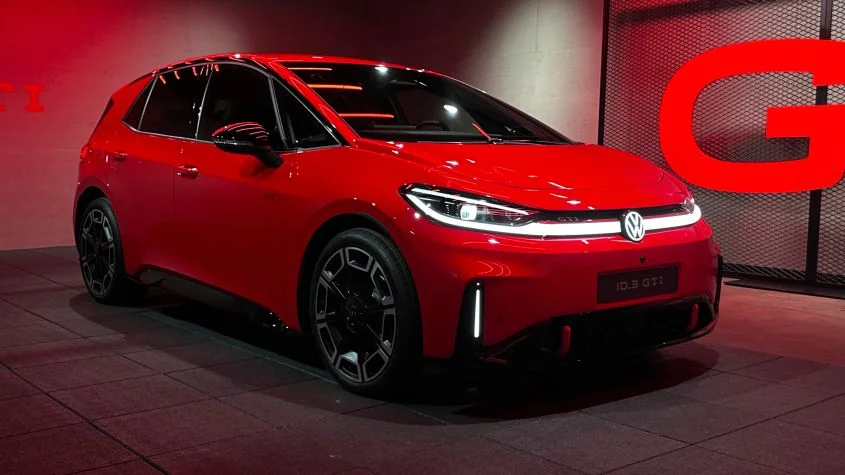
Volkswagen's Bold Move with the ID.3 GTI
Volkswagen has taken a significant step forward with the launch of the ID.3 GTI, positioning it as the most powerful GTI to date. Following the earlier ID.3 GTX, this all-electric sporty variant aims to capture the spirit of the iconic Golf GTI while delivering impressive performance on the streets. The ID.3 GTI isn't just another addition to Volkswagen's lineup; it represents a bold commitment to electric mobility, embodying the brand's transition from traditional combustion engines to electric powertrains.
Performance Specs: Power Meets Tradition
The ID.3 GTI boasts a power output of 321bhp, marginally surpassing the Golf GTI Edition 50. This level of performance is noteworthy for an electric vehicle, reflecting the increasing demand for sustainable yet thrilling driving experiences. Not just about numbers, this model channels its entire power to the rear wheels and produces a hefty 403 lb-ft of torque. To manage this enhanced performance, Volkswagen has crafted new software that simulates the inertia of a combustion engine, reducing the motor's tendency to spin up excessively during traction loss when the Electronic Stability Control (ESC) is switched off. This technical development is not merely a gimmick; it's a thoughtful engineering choice aimed at ensuring that the driving experience feels more natural, bridging the gap between traditional sports cars and their electric counterparts.
Acceleration and Speed: A Mixed Bag
And yet, the ID.3 GTI won't set world records with its 0-62mph acceleration time of 5.6 seconds and a maximum speed of 124 mph, which trails behind the more powerful Golf GTI Edition 50 by three-tenths of a second and 44 mph. While on paper this sounds underwhelming, it's essential to understand that acceleration figures don't tell the whole story. The improvements in handling and the modification of the vehicle's DCC adaptive sports chassis also take center stage here. The handling and composure during spirited drives matter more than raw speed, especially as electric vehicles mature and tech advances. A specially tunable GTI mode has been included to further enhance handling dynamics, making it a compelling option for driving enthusiasts who value experience over mere stats.
Sound Design: A Different Approach
While competitors like Porsche and Honda have begun to implement ‘virtual gearshift’ technology, Volkswagen has opted for a different approach. Neither the ID.3 GTI nor the ID.Polo GTI features this tech. Instead, drivers can enjoy a simulated engine sound in the cabin, which aims to foster a more exhilarating atmosphere for performance enthusiasts. There's a fascinating psychology at play here; the sound design may not only enhance the driving experience but also help to alleviate some concerns many driving purists have about electric vehicles being too silent and less engaging. There's a critical line between innovation and nostalgia, and Volkswagen seems acutely aware that the roar of an engine remains part of the performance identity.
Aesthetic Changes: More Than Just Looks
Visually, the ID.3 GTI embraces subtle changes. The striking Tornado Red paint job and accents of red detailing are prominent features, complemented by new 20-inch diamond-cut ‘Worthersee’ wheels. This isn't just about aesthetics; the visual enhancements include unique side sills, honeycomb grilles, and a reimagined rear bumper, imparting a more dynamic aesthetic compared to the standard ID.3 Neo. The design choices reflect a conscious effort to elevate the car's image not just as an electric vehicle but as a true GTI in spirit—inviting comparison to its combustion predecessors while defining new territory within the electric vehicle market.
Interior Features: A Blend of Tradition and Tech
Inside, the theme continues with red highlights and tartan-style upholstery, along with a distinctive GTI button on the steering wheel. While the 10.9-inch digital dashboard and 12.9-inch central display mirror the standard ID.3, the GTI version incorporates unique performance-focused displays and an optional retro skin inspired by the classic mk1 Golf’s dashboard. The brief nod to nostalgia might be just what purists need to feel connected while using modern tech. Drivers will also appreciate the physical controls, enhancing user interaction without compromising on modernity. (And this is the part most people overlook: the balance between tech and tactile controls can greatly affect user satisfaction.)
Charging and Range: Keeping Up with Expectations
The ID.3 GTI features a 79kWh battery, promising a range of 373 miles on a single charge, just shy of the standard ID.3 Neo by 18 miles. Charging capabilities reach a peak of 183 kW, which, while below some of its rivals like the 250kW-capable Ioniq 5 N, still allow for efficient charging sessions. Understanding charging efficiency is vital here, as the industry trend leans toward faster charging technology to ease consumer anxiety regarding electric vehicle range. A range just under the standard model is a curious choice, particularly as competitive models generally aim for improvements across the board.
Looking Ahead: The Future of Volkswagen’s Electric Ambitions
While official pricing details are still pending, initial units are set to roll out into the market in the spring of 2027, marking a pivotal moment for Volkswagen in the electric performance segment. What this means for you is crucial: as the automotive industry leans heavily into electric vehicles, Volkswagen appears to be setting the stage for a serious contender in the EV performance space. This isn't only about the ID.3 GTI; it’s about what Volkswagen’s approach signifies for the brand's future. They’re clearly signaling their intent to meld performance heritage with electric innovation, a hybrid approach that could shape customer perceptions and purchasing behaviors in the years to come.

Discussion
Sign in to join the discussion.