Lucid Motors' UX 3.0 update transforms the Air with a redesigned interface, speeding up controls and enhancing EV routing and smartphone integration.
Overview of the Update
Lucid Motors is rolling out a significant software enhancement for the Air electric sedan, introducing a new user interface, accelerated control options, improved navigation features, and enhanced Apple CarPlay and Android Auto compatibility. This update marks a critical step in enhancing user experience, not just by improving existing features, but by also introducing entirely new functionalities that reflect the shifting expectations of electric vehicle (EV) owners.
Air UX 3.0 and Its Features
This update, named Air UX 3.0, is part of Software Version 2.11.0 and borrows design elements from the interface of the Lucid Gravity SUV, promising easier and quicker access to critical functions. By incorporating design features from a sibling model, Lucid reinforces its brand identity and presents a more cohesive user experience across its vehicle lineup. But does this really make a difference in practicality? It’s a fair question, especially as many recent automotive software updates have been criticized for focusing too heavily on aesthetics at the expense of usability.
Eligible Lucid Air models will receive the update through an over-the-air transmission starting September 29, 2026, but owners of certain older versions may need to upgrade their hardware to enjoy the new features. This brings up a pivotal issue: how receptive current and prospective Lucid owners will be to additional costs, such as the $950 hardware upgrade, given that the vehicles are already positioned in the premium segment of the EV market. If you're working in this space, you'll appreciate the balancing act between features and costs that automakers must navigate.
Interface and Usability Enhancements
Air UX 3.0 emphasizes efficiency in accessing often-used features, minimizing the steps necessary to manage media, navigation, settings, and other controls. Here’s the thing: while the update presents these changes as streamlining options, it remains to be seen whether users find this to be a meaningful improvement or simply a refresh of existing setups.
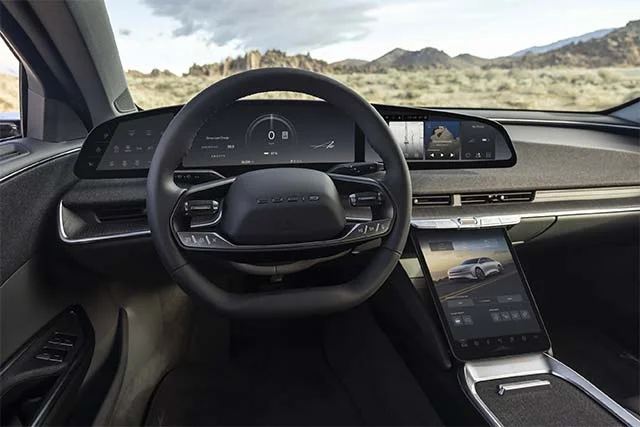
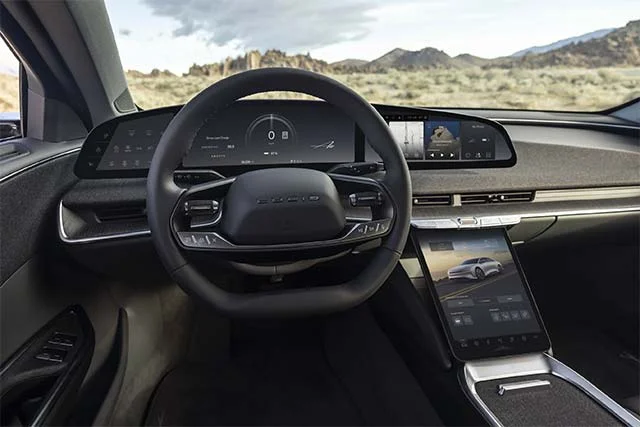
A redesigned Home interface is now available on the Right Cockpit Panel, displaying swipeable cards for swift access to commonly used functions like media settings, vehicle information, phone calls, and nearby charging locations. This format is similar to what’s seen in mobile applications, which many users are already accustomed to. Temporary cards will appear when specific vehicle functions are active, enabling users to swipe to access full applications on the Pilot Panel easily. In essence, it’s an attempt to reduce driver distraction, but that’s contingent on how intuitive the new interface truly is.
Quick Controls, accessible by swiping down from the top of the Pilot Panel, allow immediate access to prevalent settings without navigating complex menus. This direct approach is a nod to an industry-wide trend of reducing cognitive load on drivers, which many manufacturers cite as a priority.
Profile Management and Security Features
User profile management sees notable improvements, with faster switching between profiles and greater control for the Primary profile over linked vehicle keys. This reflects an understanding of the diverse users that often share vehicles, a trend increasingly common in the EV space. In this era of car-sharing and multi-user households, streamlined user management isn't just a nice touch—it’s becoming essential.
However, the process for resetting the Guest profile has been simplified, which begs a question of whether enhanced security measures, like PIN-protected exits, might add an unnecessary layer of complexity for casual users. The new six-digit PIN authentication for specific functions could deter unauthorized access, but can also be another point of friction during an already busy day.
Navigation and Charging Advances
The navigation system is overhauled with a redesigned dual-screen layout, offering features like Favorites and Auto Dark Mode while improving EV routing flexibility. Drivers will now be able to customize routes based on preferred charging networks, adapter compatibility, and desired battery reserve upon arrival. Addressing critical needs for long-distance EV travel is a salient move—but how effective will this navigation really be compared to competitors? Other vehicle manufacturers are also making these strides, so it's not a unique selling proposition anymore.
Enhanced Integration with Smartphone Systems
Moreover, Lucid expands its integration capabilities for Apple CarPlay and Android Auto in Air UX 3.0, boosting performance and enabling access to the full right display area. This expansion allows for better visibility and usability of navigation, music, phone calls, and messaging, accommodating both wireless and USB connections. This more spacious display should enhance user engagement with smartphone-centric navigation and media while maintaining accessibility to familiar phone functionalities from the car’s screens. (And this is the part most people overlook.) While this sounds impressive, the real test will be how well these features function in real-world scenarios.
Implications and Future Outlook
The UX 3.0 update, delivered via Software Version 2.11.0 through over-the-air updates, requires a hardware upgrade (costing $950 in the U.S.) for certain 2022, 2023, and some 2024 model-year Air vehicles to utilize the new software features. Owner inquiries regarding vehicle eligibility and upgrade availability can be directed to Lucid Customer Care. The need for such an upgrade could alienate some existing customers who might feel they are paying again for features that should have been included from the start.
While it doesn't signify a new generation of the vehicle, this update profoundly alters how Air owners interact with their infotainment and cockpit systems. It's a reflection of a broader shift in the automotive landscape where software updates can significantly impact user satisfaction and vehicle functionality. For Lucid, maintaining this momentum will be increasingly important as competition heats up in the EV market—both from established brands and new entrants. If they want to hold on to their premium image, they need to make sure their updates don’t just look good on paper.


Discussion
Sign in to join the discussion.