Mercedes-Benz is collaborating with ProLogium to test Gen4 battery technology, focusing on energy density and charging speed for future EVs.
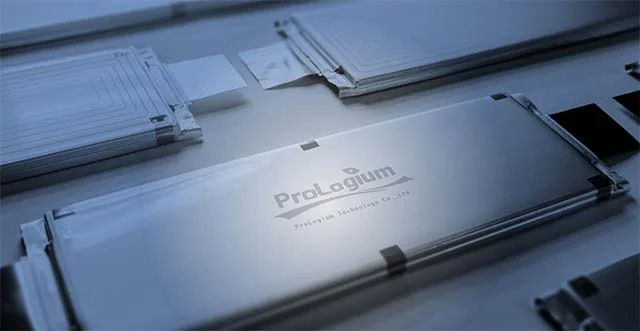
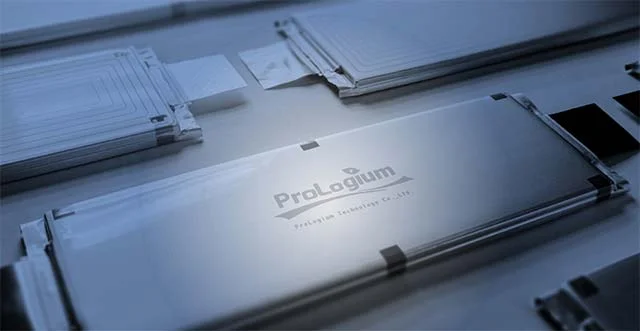
Mercedes-Benz has embarked on an important collaboration with ProLogium Holding Inc. to explore the capabilities of its latest Gen4 battery technology. This new testing agreement prioritizes Mercedes-Benz's access to ProLogium's advancements as the automaker assesses potential breakthroughs in battery technology for its upcoming electric vehicles.
This partnership extends nearly a decade of collaborative efforts, which have previously included various stages of battery development and validation across multiple formats.
Under the latest agreement, Mercedes-Benz will conduct rigorous testing of ProLogium's Gen4 battery cells, which will be examined for electrical, thermal, and safety performance. These tests will take place at Mercedes-Benz’s own facilities as well as specialized independent laboratories. The data gathered will be crucial in evaluating whether this next-generation technology is suitable for incorporation into future electric vehicle models.
ProLogium's Gen4 Battery: High Performance and Enhanced Safety
The Gen4 battery platform from ProLogium aims to achieve five main goals: enhanced safety, superior performance, increased energy density, scalable production, and cost competitiveness.
With an architecture featuring a non-flammable inorganic electrolyte and ceramic separators, the Gen4 cells include a unique active safety mechanism aimed at bolstering cell safety. Alongside these critical safety enhancements, the technology is being tailored to support rapid charging and high power delivery, addressing an increasing demand within the automotive sector for reduced charging durations while maximizing EV performance and range.
ProLogium's strategic focus is on transitioning advanced battery technology from laboratory development into large-scale manufacturing, aligning with automotive production needs.
“Over nearly a decade, our collaboration with Mercedes-Benz has evolved from early cell development and validation to testing our latest Gen4 technology for future vehicle applications,” noted Vincent Yang, founder and CEO of ProLogium.
Yang emphasized the company's commitment to translating years of battery research into scalable production and commercially viable solutions, bolstered particularly by partnership support from Mercedes-Benz, the French government, and the European Union.
A Longstanding Partnership Since 2016
The two companies have a history that dates back to 2016, with their collaboration originally centered on developing the Gen3 hybrid-solid-state battery. Over the years, they have significantly expanded their work to encompass potential solutions for future vehicle platforms.
Mercedes-Benz's long-term relationship with ProLogium has evolved into a strategic partnership, with the German automaker also taking on a role as a global investor in the company. This has included backing the development of several lithium ceramic battery types, such as pouch and next-generation prismatic cells, including ProLogium's Bi-Polar technology.
According to Jörg Burzer, a member of the Board of Management and Chief Technology Officer at Mercedes-Benz, the partnership fortifies ProLogium's solid-state technology amalgamated with the carmaker's development expertise in battery technology and vehicle system integration.
The latest testing agreement solidifies an ever-deepening collaboration focused on advancing technologies for future electric vehicles.
ProLogium's European Manufacturing Expansion
ProLogium’s growth strategy prominently features large-scale battery manufacturing. The company’s Taoke Gigafactory in Taiwan has finalized GWh-scale manufacturing validations, facilitating a range of production activities, including C-sample production and demonstration vehicle programs.
Moreover, ProLogium is moving to establish a gigafactory in Dunkirk, France, with an expected capacity of up to 44 GWh. This facility aims to provide localized manufacturing and supply-chain capabilities for European automotive clients.
The Dunkirk plant is modeled after the Taiwan facility, and upon completion of its initial phase, ProLogium anticipates being able to supply commercial battery cells to European automakers at a scale conducive to pressing EV needs.
Mercedes-Benz not only plays a vital role in ProLogium's strategic direction but is also positioned on its Board of Directors, demonstrating commitment to the Dunkirk development. Additionally, the company is eyeing a potential NASDAQ listing in late 2026.
Implications for Future Mercedes Electric Vehicles
This agreement marks an important milestone but does not guarantee the integration of ProLogium's Gen4 technology into Mercedes-Benz's production vehicles. Before any commercial decision is made, the technology must successfully navigate an extensive set of evaluations regarding electrical, thermal, and safety standards.
Nonetheless, this initiative signals the critical role that advanced battery technologies will play as Mercedes-Benz advances its lineup of electric vehicles. If the Gen4 cells meet stringent requirements, their attributes—such as high energy density, rapid charging capabilities, and enhanced safety features—position them as strong contenders for upcoming EV platforms.
For ProLogium, the partnership is a key step toward advancing its solid-state technology towards commercialization, particularly as the company gears up for expanded production operations in Europe.
The post Mercedes-Benz Partners with ProLogium for Next-Gen Battery Testing in Electric Vehicles appeared first on Electric Cars Report.

Discussion
Sign in to join the discussion.