The Smart #2 redefines urban mobility with its compact electric design, advanced safety features, and impressive battery range, set for a Paris debut.
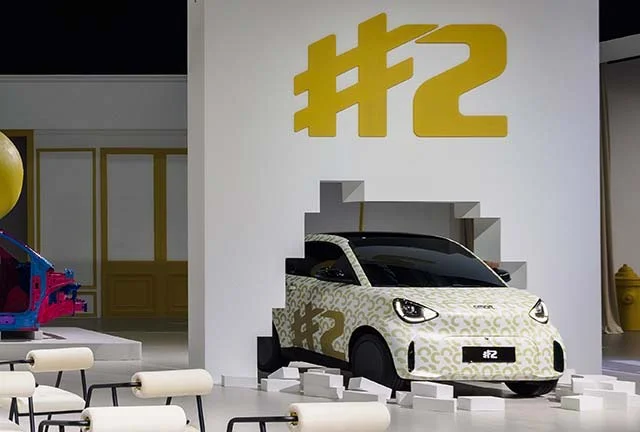
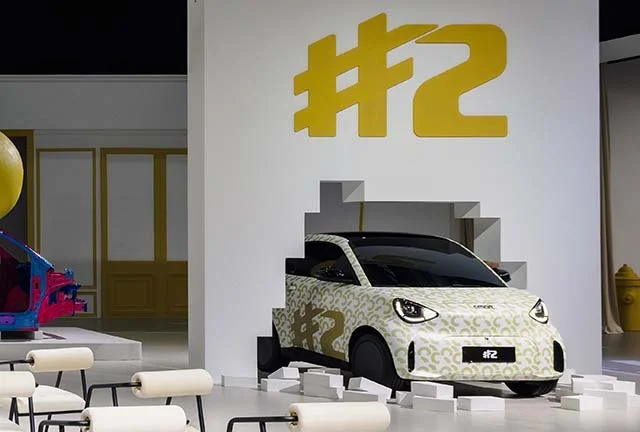
Smart is reintroducing its iconic compact electric vehicle with the new Smart #2. This sleek two-seater is specifically engineered for urban settings, balancing a minimized exterior with sophisticated EV technology, all while prioritizing safety. As the demand for eco-friendly transportation rises, Smart aims to tap into the growing niche of urban commuters who value both efficiency and environmental responsibility.
Originally previewed at a recent technology workshop in Beijing, the Smart #2 is slated for its world debut at the Paris Motor Show on October 12, showcasing the brand's dedication to redefining city car dynamics. This event will be pivotal because it sets the stage for potential buyers and industry critics to gauge whether the Smart #2 successfully meets modern expectations.
Electric Compact Architecture Powers the Smart #2
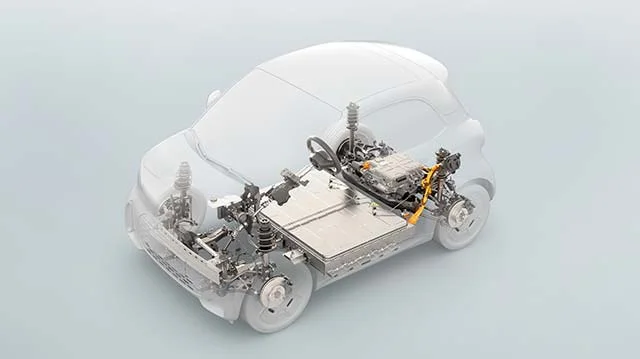
The Smart #2 utilizes a dedicated Electric Compact Architecture (ECA) tailored for its ultra-compact form factor, addressing the complexities of creating a fully electric vehicle under three meters. The ECA integrates a compact exterior design with a spacious cabin, powered by a high-powered structural build. This architecture reflects a growing trend in auto manufacturing where size constraints are increasingly being met with inventive engineering solutions—Smart's approach may set new benchmarks in this category.
Equipped with a 35.8-kWh CATL battery, the Smart #2 aims for an impressive range of approximately 300 km under WLTP standards. Rapid charging capabilities promise to take the battery from 10% to 80% in about 20 minutes. While these specs sound appealing on paper, achieving such ranges in real-world urban driving—filled with stop-and-go traffic—remains to be seen, raising questions about the practical user experience.
A standout feature is the 11-in-1 electric drive system, which consolidates various electric drive and control functionalities into a single compact unit. This innovation minimizes space while maximizing efficiency, reflecting a strategic decision by Smart to push the boundaries of electric mobility further. Is this radical efficiency enough to convert skeptics of small EVs? Time will tell.
Safety is Paramount in the Smart #2
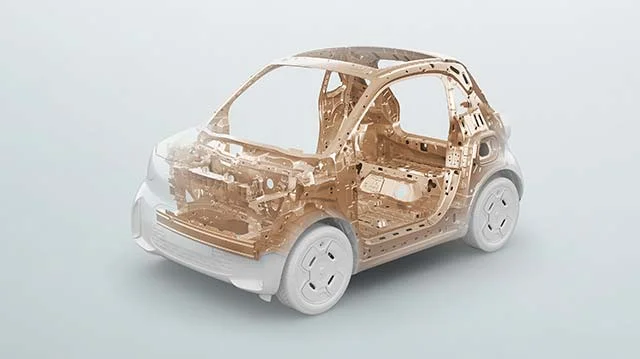
In the development of the Smart #2, safety was a top priority. The introduction of the Tridion Cell Evo safety structure is noteworthy. This new version incorporates over 78% high-strength steel, featuring a three-layer configuration that can achieve tensile strengths of up to 1,800 MPa. Such specs not only speak to the durability of the vehicle but also reflect a growing industry emphasis on passenger safety in compact models—a segment that historically has underperformed in this area.
The body boasts a torsional rigidity of 39,000 Nm/degree and can withstand significant roof loads exceeding four tonnes. To further enhance occupant safety, the car comes equipped with seven airbags and an advanced seatbelt system that includes Pyrotechnic Lap Pretension and Crash Locking Tongue technology. This multi-layered approach to safety in a small vehicle elevates expectations and demonstrates a commitment that could resonate with safety-conscious buyers.
Battery safety is ensured through a layered structural design that provides additional protection around the high-voltage system. The Smart #2 has undergone rigorous stability testing; it achieved 78 km/h in the Moose Test, demonstrating its agility and stability. That said, testing in simulated environments can differ significantly from real-world scenarios. People should remain cautious about over-reliance on performance metrics alone.
Tailored for Urban Environments
The Smart #2 is designed for enhanced urban maneuverability, featuring a curb-to-curb turning radius of just 6.95 meters. This compact design allows it to excel in tight spaces where many larger EVs struggle. City driving presents unique challenges that demand adaptability from vehicles, and this model seems primed to answer those demands.
This model stands out as the sole option in its segment under three meters with a rear five-link independent suspension, aimed at offering superior handling and balance due to its rear-wheel-drive setup. The 50:50 weight distribution adds to its driving dynamics, which is often overlooked by manufacturers focused solely on aesthetics. (And this is the part most people overlook: performance can be as vital as design, especially in the compact segment.)
Standard staggered-width tires—narrow in front and wider at the rear—contribute to improved steering and rear grip, further enhancing overall driving dynamics. What this means for you, the driver, is a responsive vehicle that doesn't sacrifice performance for its compact size. Whether that's enough to win hearts remains uncertain.
A Design Legacy Continues with a Modern Twist
Forging a connection to its heritage, the Smart #2 maintains the distinctive “wheels-at-the-corners” aesthetic of earlier models. This design has long characterized its identity, and the new iteration melds classic proportions with a fresh take suitable for electric vehicles. More than a simple homage, the Smart #2 represents an evolution fitting for a modern audience.
Ultimately, the design ethos focuses on an extremely compact footprint while maximizing available space within the cabin. This commitment to comfort and agility resonates well with the urban driver, who seeks not only functionality but also a semblance of personal style that distinguishes them from other electric vehicles. The brand's ability to blend both heritage and modernity could be a significant draw in a crowded market.
Anticipation Builds for Paris Showcase
The Smart #2 signifies a strategic return to the two-seat market that initially showcased the brand’s identity. Following its technological preview in Beijing, the production vehicle is set to unveil in Paris. This showcase will highlight its compact dimensions, 35.8-kWh battery, and rapid charging capabilities—all crucial features for urban drivers.
Pricing, final specifications, and market rollout will be disclosed alongside the vehicle's official launch, marking a significant moment for urban electric mobility. For Smart, the stakes are high. Will they capture the imaginations of city dwellers looking for efficient driving? Or will they get lost in the shuffle of increasingly competitive offerings? As the Paris Motor Show approaches, all eyes will be on the Smart #2—a test not just of the car, but of Smart's vision for future mobility.
Discussion
Sign in to join the discussion.