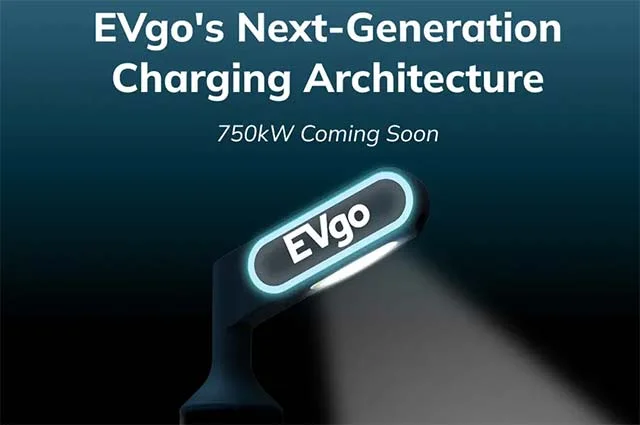
EVgo is introducing a 750kW charging system aimed at significantly reducing EV charging times, set to roll out in 2027.
EVgo's Ambitious 750kW Fast-Charging Architecture
EVgo is gearing up to enhance electric vehicle charging capabilities with its upcoming 750kW fast-charging architecture, currently under development in its Innovation Lab located in El Segundo, California, with input from Delta Electronics. This initiative emerges in response to the rising demands of EVs outfitted with larger batteries and enhanced charging technology. It reflects a clear shift in the industry where rapid advancements are necessary to keep pace with consumer expectations.
The finalized charger design is projected for release in 2027, and the timing aligns with the anticipated rollout of this new architecture across EVgo’s extensive network. This timeline suggests a strategy that aims to be proactive rather than just reactive; it recognizes that the electric vehicle (EV) market is evolving rapidly, fueled by consumer demand for efficiency.
As charging speeds have seen an uptick—nearly 20% growth on EVgo’s network in the last two years—the company expects continued growth in demand. This 750kW framework is conceived to meet these escalating needs, providing charging solutions that keep pace with the rapid deployment of more powerful electric cars. What we’re witnessing here is a crucial pivot as EVgo positions itself as a leader in the charging sector.
The Impact of Enhanced Charging Speeds
The anticipated capabilities of this system suggest that compatible vehicles might experience significant range recovery in as little as ten minutes, depending on their charging capabilities. But here’s the caveat: not every EV will get the full 750kW output. Factors like battery conditions, ambient temperatures, and the specific vehicle’s technology will all play a role in determining actual charging speeds. This variability is something both manufacturers and consumers need to pay close attention to, as it can significantly affect charging sessions.
Dynamic Power Distribution
A standout feature of EVgo’s new technology is its dynamic power sharing capability. Instead of allocating a fixed amount of power for each charging stall, this system adjusts electricity distribution among dispensers in real-time according to the needs of each vehicle. This flexibility will be increasingly essential as the disparity in charging capabilities across different EV models expands.
For instance, one vehicle may accept a much higher charge than another, creating a high-stakes environment where efficient energy management becomes the priority. The system’s capacity to redistribute power on the fly ensures that each car receives the optimal energy flow throughout its charging session. It’s becoming clearer that this could optimize utilization across the entire network. More than just a convenience, this can avoid bottlenecks and help accommodate the growing number of EVs on the road.
This innovation could also influence the electrical grid positively, enabling more adaptable power management and mitigating peaks in demand during busy periods. As electric vehicles become more common, their effect on the grid will be significant, and technologies like this could help manage what could otherwise be an overwhelming load on existing infrastructures.
Customer-Centric Design Enhancements
EVgo has gathered insights from its 1.8 million active customers and over 10 million annual charging sessions to inform the design of these next-generation chargers. Enhancements include improved cable maneuverability and a touchless payment interface to streamline the charging process. These tweaks, while seemingly minor, could play a pivotal role in improving user experience. Frustrations with tangled cables or slow payment systems can contribute to negative perceptions of EV charging; addressing those pain points directly is smart business.
More importantly, all chargers will incorporate NACS connectors, signaling a shift towards uniform standards in the industry. This reflects the increasing acceptance of the North American Charging Standard within the EV market. It's part of a strategic plan aimed at widening access, as the adoption of NACS charging ports becomes more prevalent among modern electric vehicle models. If you're working in this space, this transition bears watching, as standardization could lead to a more reliable and user-friendly experience for drivers.
In a notable move, EVgo is not solely dependent on external manufacturers for its charging hardware. By designing and developing the architecture internally, in collaboration with Delta Electronics, EVgo joins a select group of American charging networks that have taken this strategic route. This internally developed system offers greater control over integrating hardware, software, and power management, which can streamline customer-facing features as technology evolves. This proactive approach may offer a competitive edge in an increasingly crowded market.
Looking Ahead: Implications for the Future
The increasing demand for faster and more flexible charging solutions is pressing public charging networks to adapt quickly. While current EVs might not fully utilize the 750kW output, we can expect that advancements in battery technology and thermal management will pave the way for enhanced efficiencies. The implications stretch beyond mere enhancements in speed; features like dynamic power sharing, NACS compatibility, and improved design could reshape how EV users experience long-distance charging.
This shift in technology presents both challenges and opportunities. For drivers, it signals a future where charging becomes less of a hassle and more of a seamless part of owning an electric vehicle. And this is the part most people overlook: charging should eventually become second nature, a quick stop rather than a prolonged ordeal. The real test will be how well these improvements translate into actual user satisfaction and whether they can keep pace with the rapid growth of the EV market. The stakes are high, and the industry will be watching closely.


Discussion
Sign in to join the discussion.