GM is set to begin production of lithium manganese-rich batteries, potentially lowering EV costs and improving energy density in its lineup.
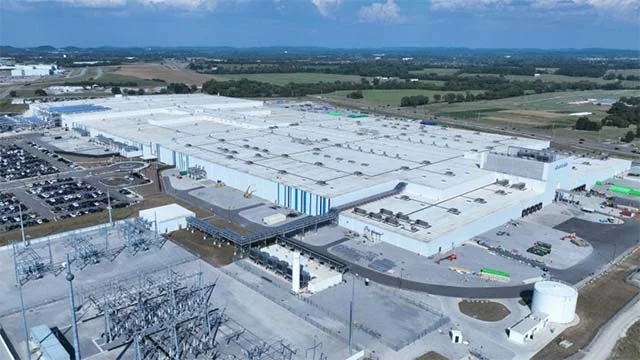
General Motors is advancing its battery technology strategy by moving toward the production of lithium manganese-rich (LMR) prismatic battery cells through its Ultium Cells partnership with LG Energy Solution. The new batteries will be manufactured at the Ultium Cells facility in Spring Hill, Tennessee, which stands to become the pioneering site for the commercial production of these cells.
The Case for LMR Technology
This shift to LMR technology aims to enhance the energy density of GM's battery offerings. GM asserts that LMR technology provides around 33% greater energy density compared to lithium iron phosphate (LFP) batteries while remaining price-competitive. The appeal of LMR batteries lies in their ability to strike a balance between optimal range, performance, and affordability—an increasingly important consideration as the industry shifts towards a broader electric vehicle (EV) audience.
High-nickel batteries have long dominated discussions around electrification because they maximize range. But LMR batteries are emerging as a viable alternative. They offer a substantial advancement in energy density, which is crucial for consumers looking for vehicles that can provide more range without significantly raising prices. If you're working in this space, you'd want to pay attention to how these developments can affect consumer preferences and ultimately, market dynamics. The flexibility of LMR batteries allows GM to fine-tune its offerings based on specific vehicle demands, tailoring solutions to performance, pricing, and different vehicle sizes.
Moreover, LMR technology could address a critical pain point for EV consumers: range anxiety. By increasing energy density, consumers can likely enjoy longer trips without the constant worry of finding charging stations—something that can make or break a sale in an increasingly competitive market. This isn't just a theoretical benefit; practical implementations and consumer acceptance will dictate how effective this move truly is.
Manufacturing Flexibility and Job Creation
The Spring Hill facility’s design reflects a strategic investment in manufacturing versatility. Expected upgrades and construction set to kick off this year aim for completion by 2028, with a goal of augmenting the workforce by approximately 500 positions, adding to the existing 1,200 employees. This aligns with GM's broader ambition of fostering American manufacturing capabilities in a competitive EV market.
This strategic focus on manufacturing flexibility suggests that GM isn't just betting on one battery chemistry. Instead, they’re creating a multi-faceted battery platform that can accommodate various technologies as consumer needs evolve. The company's approach could lead to cost reductions when scaling production across various models. If you consider the complex supply chains that many automakers grapple with, this kind of agility could offer GM a significant edge.
Moreover, the expected job creation at the Tennessee facility is a noteworthy development. This kind of investment in manufacturing not only boosts the local economy but also signals to other players in the auto industry that there's a compelling case for bolstering domestic production capabilities. In a sector often criticized for outsourcing, GM's initiative could serve as a template for balancing efficiency with community needs. And this is the part most people overlook: the societal implications of manufacturing decisions go beyond mere economics.
Implications for the U.S. EV Battery Sector
For GM, the introduction of LMR technology isn’t just about increasing production capacity; it's about positioning itself strategically within the evolving battery sector. If successful, this initiative could propel GM toward its goal of making EVs more accessible without sacrificing essential performance aspects. The significant step forward in battery technology also underscores the critical role that battery manufacturing will continue to play in the U.S. as automakers seek innovations to elevate their offerings.
The commercial viability of LMR batteries at scale represents a turning point not just for GM, but for the U.S. EV industry as a whole. The capacity to produce economically viable batteries could fast-track the availability of more affordable electric vehicles on the market. This, in turn, reinforces domestic manufacturing while meeting a rising consumer demand for EVs that don’t break the bank.
The importance of this development can’t be overstated. In the U.S., where the EV market is still grappling with perceptions and price points, any advancements that can lower costs are likely to have far-reaching effects on adoption rates. Here’s the thing: GM's efforts may pave the way for competing manufacturers to innovate rapidly, creating a ripple effect across the industry that demands further advancements in battery tech.
Future Outlook
Looking ahead, the significant investment in LMR technology could reshape the landscape of the EV market in the U.S. If GM successfully integrates this technology into its broader strategy, it might redefine how consumers view electric vehicles. You'll want to watch how this unfolds, as performance, cost, and consumer education become critical factors in the ongoing evolution of EV acceptance.
Moreover, the potential long-term impacts include not only increased market share for GM but also a renewed interest in U.S.-based battery manufacturing. With geopolitical tensions affecting global supply chains, there’s a sense of urgency to cultivate domestic production capabilities. The whole sector stands to benefit from GM’s strategic pivot, even if the immediate outcome is uncertain. This development emphasizes something vital: the technology race in electric vehicles goes hand in hand with the narrative of national manufacturing resilience. The next few years will be telling, likely determining not just GM's success but the future trajectory of electric vehicles in America.


Discussion
Sign in to join the discussion.