BMW is trialing hydrogen combustion engine trucks at its Leipzig facility to assess their potential in logistics operations, aiming to reduce emissions.
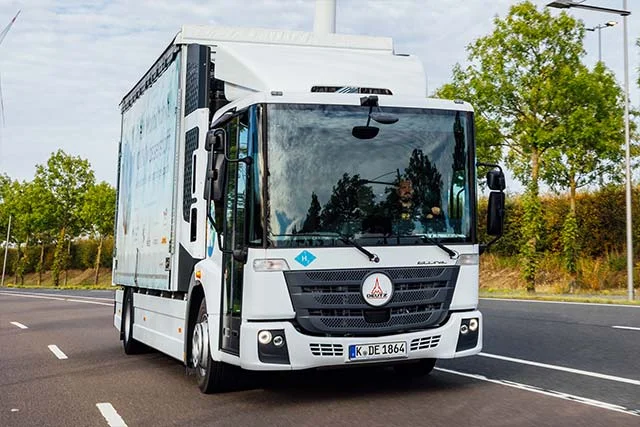
BMW is currently piloting a hydrogen combustion engine truck at its Leipzig plant in Germany, part of a strategic initiative to cut CO₂ emissions in its logistics processes. This 18-tonne vehicle is integrated into everyday factory logistics, allowing the company to gather insights on the performance of hydrogen combustion technology in practical scenarios.
This venture marks a significant evolution in the BMW Group's exploration of alternative powertrains for freight transportation. Instead of focusing solely on battery-electric vehicles (BEVs) or hydrogen fuel cell trucks, the brand is examining the feasibility of hydrogen combustion engines for targeted logistics needs.
Testing Performance Under Real-World Conditions
The trial truck employs a conventional diesel engine framework but operates on hydrogen instead of diesel fuel. This switch not only reduces direct emissions—producing primarily water vapor—but also aligns with BMW's sustainability goals.
Initial duties for the truck include ferrying components to the Technology Exterior Components (TEK) division, which specializes in manufacturing plastic elements such as bumpers and spoilers. The program is set to expand, with plans to have the vehicle transport completed exterior components to assembly lines just in time for production.
Dirk Wiedmann, BMW Group's head of Production Network and Logistics, emphasizes a technology-neutral approach that relies on data-driven assessments to choose alternative truck powertrains. The company aims to gain firsthand experience with hydrogen combustion engines in routine operations, which are vital for the vehicle manufacturing process.
This initiative represents the first deployment of a hydrogen combustion engine truck in regular automotive production activities in Germany, a significant milestone for the brand.
A Supplement to Battery-Electric Trucks?
BMW is positioning hydrogen combustion technology as a complement to battery-electric trucks, especially for challenging transport operations. While BEVs are poised to serve numerous logistics roles effectively, factors like daily mileage, vehicle load, and charging infrastructure will influence their applicability. Hydrogen trucks could prove advantageous for specific routes and high-demand usage due to their unique characteristics.
One of the primary benefits of hydrogen vehicles lies in their refueling speed. They can be replenished much more rapidly than battery trucks can recharge, which is essential for minimizing downtime during multi-shift operations. Furthermore, these trucks could thrive in scenarios where charging infrastructure is lacking or where connecting to the grid presents complexities.
However, reliance on hydrogen still poses challenges. Access to dependable refueling stations and considerations around fuel costs and overall energy efficiency will be pivotal in determining the practicality and economic feasibility of hydrogen combustion technology.
Examining the Engine Technology
A notable aspect of the hydrogen truck is its use of engine architecture based on existing diesel technology. By sharing components with conventional internal combustion engines, there’s potential for easier integration into existing commercial vehicle operations, assuming necessary hydrogen-specific modifications and safety measures are applied.
BMW highlights the engine's capacity to provide strong performance even under heavy loads and in conditions that demand fluctuating power. Compared to fuel cell technology, hydrogen combustion engines may also exhibit greater tolerance to variations in hydrogen quality, enhancing reliability in operations where consistent performance is critical.
Still, the success of hydrogen combustion trucks hinges on several factors, including fuel efficiency, maintenance expenses, refueling access, and emissions linked to the hydrogen supply chain. While combustion generates negligible direct CO₂ emissions, the processes involved in hydrogen production and distribution can negate these benefits if powered by carbon-heavy energy sources.
HyCET Project and Funding
The Leipzig trial is part of the Hydrogen Combustion Engine Truck (HyCET) research initiative, partially funded by Germany's Federal Ministry of Transport. This effort seeks to develop and assess hydrogen combustion trucks in realistic operational contexts while accumulating valuable performance, emission, and economic data.
Leading the project, BMW is collaborating with experts in vehicle engineering, transportation logistics, and hydrogen infrastructure, including DEUTZ for engine development and Rudolph Logistics Group for operational insights. TEAL MOBILITY is overseeing the installation of necessary hydrogen refueling stations for the trials.
The goal is to correlate vehicle testing with hands-on logistics operations to pinpoint applications where hydrogen combustion engines could serve effectively in the commercial transportation sector. The data gathered will shed light on reliability, emissions, operational costs, and the required infrastructure for broader implementation.
Supporting BMW’s Emission Reduction Strategy
The HyCET project aligns with a broader mission from BMW Group to lower emissions across its global logistics operations. By exploring various alternative powertrains, the automaker aims to tailor solutions based on each route’s requirements, configuration, and energy infrastructure access. This includes battery-electric, hydrogen fuel cell, and hydrogen combustion approaches.
Distinct operational qualities guide the choice of technology for each logistics function, depending on performance metrics and real-world data. The Leipzig initiative aims to evaluate if hydrogen combustion engines can meet the logistical demands, particularly in sectors requiring high availability of vehicles across multi-shift engagements.
The Future of Hydrogen Combustion Vehicles
The ongoing trials underscore an essential exploration into achieving lower emissions in heavy-duty transportation. While battery-electric vehicles currently hold a vital position in transitioning to more sustainable road transport, hydrogen combustion remains part of the dialogue, especially for operations facing stringent scheduling or infrastructural limitations.
With the potential to leverage existing engine technology while minimizing direct emissions, hydrogen combustion trucks could play an integral role in the search for sustainable transport solutions. However, their viability will depend heavily on factors such as fuel accessibility, energy efficiency, and total operating costs.
The forthcoming results from BMW’s Leipzig operations stand to offer valuable insights into how hydrogen combustion technology performs outside of controlled testing environments, paving the way for future applications in the logistics sector.


Discussion
Sign in to join the discussion.