The Ferrari 296 GT Modificata boasts 720bhp and significant enhancements, marking a potent evolution in its racing lineage.
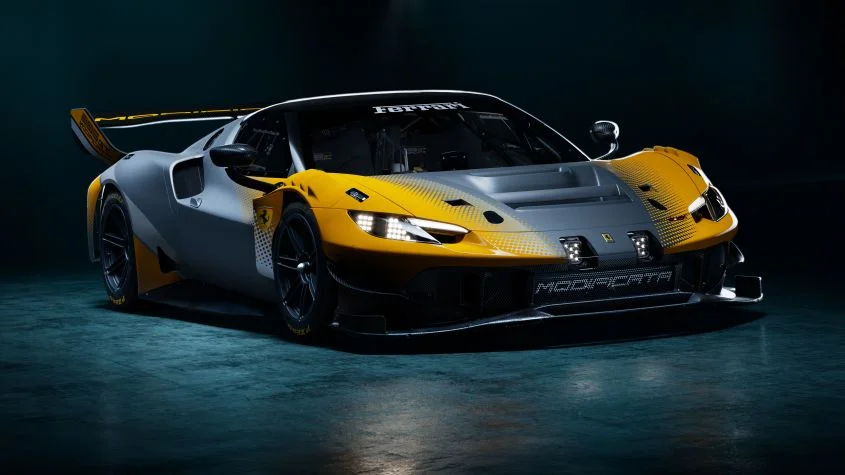
Ferrari's Track Evolution: The 296 GT Modificata
The Ferrari 296 GT Modificata made its debut during the Ferrari Racing Days event in Budapest, a meeting point for fans and racing enthusiasts alike. This latest model extends the brand's dedication to producing vehicles that are not just street-ready, but also engineered for competitive racing. With a lineage traced back to the 488 GT Modificata introduced in 2020, it embodies Ferrari's strategy of catering to both seasoned racers and those new to the thrill of competitive driving, particularly participants in the Club Competizioni GT program.
Power and Performance: A Notable Upgrade
At the heart of the Modificata lies the powerful 3-litre twin-turbocharged V6 engine, which is also used in the 499 P Modificata. What sets the 296 GT Modificata apart, however, is a significant power increase to 720bhp. Stripped of the hybrid system and the typical restrictions found in the GT3 variant, this power surge gives the Modificata a remarkable edge. In fact, it boasts an increase of 128bhp over its GT3 counterpart, closing in on just 100bhp shy of the hybrid road version. It's a clear signal from Ferrari that they are firmly invested in pushing the boundaries of performance in their track-focused offerings.
How'd they achieve such a notable boost to power without the limitations usually imposed on track vehicles? The answer lies in a series of meticulous modifications made to key components. Changes to camshafts, turbochargers, and intercoolers were made, with new turbo internals sourced from the advanced 499P model. Furthermore, the enhancements to the fuel system were designed to optimize the flow of fuel, ensuring maximum performance on the track. Reliability is obviously a priority, evident in the new low-pressure fuel pump introduced, alongside altered gearing in the six-speed sequential transmission that is crucial for racing scenarios.
Aerodynamics: An Ingenious Redesign
Aerodynamic performance has seen extraordinary enhancements, marked by the introduction of a fresh center-mounted rear wing that features structural endplates influenced by the 499P. This is no trivial detail; enhanced downforce is critical in racing, influencing both traction and speed on the track. The inclusion of a slotted front splitter serves to further improve downforce, which is essential for maintaining high-speed stability.
Many might overlook the added benefits of a bespoke bonnet designed specifically for improved cooling; efficient heat management is a cornerstone in high-performance racing. Coupled with new brake ducts that facilitate airflow to the updated steel brakes, Ferrari seems to have left no stone unturned. Impressively, the Modificata weighs in at just 1330kg dry, which is barely 80kg heavier than the 296 GT3 Evo and a significant 140kg lighter than the standard 296 GTB. Striking this balance between weight and performance is a delicate art, and Ferrari appears to have mastered it.
Interior Features: A Driver-Focused Approach
Stepping inside the 296 GT Modificata, you'll find an environment that reflects its purpose—designed for the track yet accommodating enough for enjoyable experiences. A passenger seat allows drivers to share their high-speed journeys, or bring along an instructor for real-time feedback and improvement. Equipped with an integrated intercom system, communication during races or practice sessions becomes less cumbersome, enhancing the overall experience for both driver and passenger.
The cabin reflects a sophisticated understanding of the needs of competitive drivers. Enhanced cooling systems are present to ensure comfort, while various sensors keep track of critical parameters like airspeed and brake temperatures. This data is invaluable for analysis after each session, arming drivers with the knowledge necessary to improve their performance. And here's the part most people overlook: buyers have the option to add a rear radar system, not just for racing telemetry, but also for heightened situational awareness during competitive driving. It’s a small addition with potentially big implications.
Performance Claims and Future Prospects
With a storied history in GT racing, the 296 has proven its mettle on the track. Ferrari claims that the Modificata is even quicker than its GT3 sibling, boasting lap times three seconds faster at Fiorano. Such claims are enticing and raise expectations not just for the Modificata but for future iterations of this high-performance model line. Will fans ultimately see a street version that mirrors the race track capabilities of the Modificata? The possibility opens up exciting avenues for both collectors and performance enthusiasts alike.
Implications for the Track and Beyond
The introduction of the Ferrari 296 GT Modificata signals more than just an impressive new piece of machinery; it reflects a shift in how Ferrari engages with both its racing heritage and modern demands from drivers. If you're working in this space, understanding these nuances can pave the way for recognizing trends in consumer preferences, expected performance standards, and the evolving nature of motorsport vehicles.
This model doesn’t just add to Ferrari’s impressive portfolio; it actively challenges competitors to keep pace with its innovations. The performance metrics being discussed aren't merely numbers or ephemeral claims—they represent a vision of what the future of competitive driving can encapsulate. As manufacturers strive to create more performance-oriented vehicles, models like the 296 GT Modificata will serve as benchmarks against which future innovations are measured. Ferrari understands that the appetite for speed and excellence is insatiable, and they aren't about to take a step back.

Discussion
Sign in to join the discussion.