The De Tomaso Pantera combines charm and performance, evolving from reliability issues to a celebrated classic with enduring appeal among enthusiasts.
Origins of the Pantera
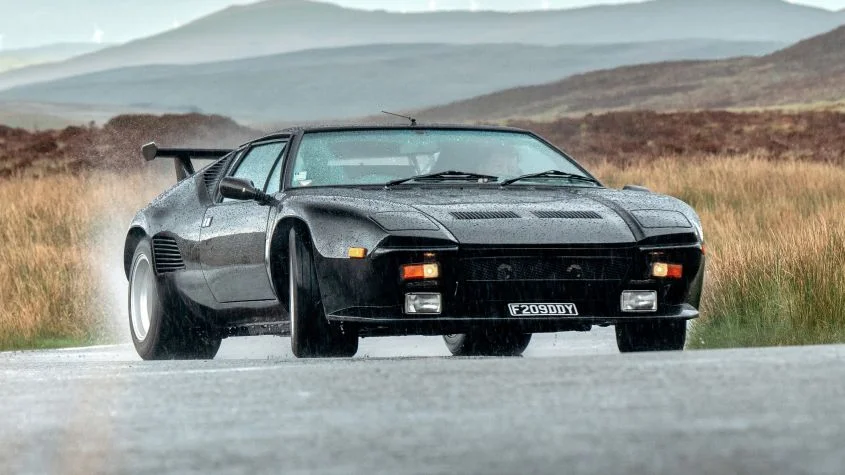
Dubbed "the poor man’s Countach" by some, the De Tomaso Pantera cemented its identity in the annals of supercar history during the vibrant 1970s. Designed as a strategic image-booster for Ford, the Pantera aimed to fill the void left by the legendary GT40. With a Ford 5.8-liter V8 engine and a shapely form crafted by Ghia’s Tom Tjaarda, the Pantera made a striking initial impression at its debut in 1970. Ford’s intention was clear: to attract a younger demographic and appeal to enthusiasts who desired an exotic vehicle that didn’t require the wealth of a high-roller.
Performance and Specs
Upon its release in 1971, the Pantera combined power with aggressive styling—attributes that could rival its Italian counterparts. With 330bhp delivered from its robust V8 and a ZF five-speed transmission, driving enthusiasts were drawn to its performance. The Pantera could accelerate rapidly, resonating with those who appreciated American muscle while simultaneously basking in a European aesthetic. However, early production models marred its reputation due to quality control issues, including rust and engine overheating, which plagued owners and led to widespread warranty claims. These flaws didn't just affect immediate sales; they also left a legacy of distrust that would linger, influencing the Pantera's reputation for decades to come.
Evolution through Challenges
The oil crisis of the 1970s and increasing U.S. regulations posed significant hurdles for Ford. High fuel prices discouraged consumers from purchasing gas-guzzlers, prompting them to sell De Tomaso back to its founder. For Alejandro De Tomaso, the challenges were an opportunity. Undeterred, he revitalized the Pantera, producing the widebody GT5 in 1980. This variant shifted the aesthetic significantly, boasting pronounced fender flares and dramatic spoilers that aligned well with the era's supercar demands. By recognizing the need for a bolder look, the GT5 not only helped the Pantera maintain relevance but also catered to a growing appetite for flashy, aggressive designs that dominated the supercar scene in the 1980s.
Interior and Driving Experience
Inside, the Pantera reflects its eclectic lineage. The cockpit, reminiscent of a Maserati Biturbo, features luxury materials like leather and wood veneer. Drivers can appreciate the blend of aesthetics and craftsmanship—this was a car that appealed to those who desired a touch of class. That said, the driving position can feel cramped and unusual, primarily due to the prominent wheel arch intrusion and odd pedal placements. For taller drivers, finding a comfortable position might prove to be a challenge. The snug confines might seem off-putting, but for purists who cherish the connection to the vehicle, this eccentric layout might enhance the driving experience.
Engine and Sound
With a switch from the reliable Cleveland engines to the Windsor V8, performance remained lively. The 1984 GT5-S tested here produced an impressive 320bhp, delivering a visceral auditory experience that encapsulates the essence of muscle and aggression. The raw sound at idle is exhilarating, and during acceleration, it transforms into a crescendo of power, offering an authentic connection to the visceral performance often missed in modern supercars. For enthusiasts, this sound is more than just noise—it's a symphony that evokes nostalgia and passion, one that many current vehicles fail to replicate with their overly muted engines.
Handling Dynamics
Equipped with a ZF five-speed gearbox, the shifting experience is satisfying, with a shift quality that surpasses many contemporaries. Steering feels unexpectedly light; while there’s an element of delayed response, the Pantera's handling becomes more engaging on smooth pavement. The balance it exhibits is rewarding, especially for those who enjoy taking corners with precision and style. It’s evident that each turn presents an opportunity to explore the car’s balance and response, though it does demand a certain style of driving that sits comfortably between finesse and aggression. Surprisingly, you can't just thrash it; it rewards a more nuanced touch. (And this is the part most people overlook.)
Market Position and Collectibility
Despite being labeled as a budget alternative to other supercars, the driving experience offered by the Pantera is rich and satisfying, especially given the competitive pricing—often under £250,000 for well-maintained examples. Interest in the car has been reignited in recent years, thanks to the growing collector market that appreciates its unique position in automotive history. As enthusiasts seek distinctive vehicles, prices are beginning to rise, affirming the Pantera’s significance. For potential buyers, it’s advised to focus on models with sound structural integrity, as rust issues linked to its steel unibody construction can significantly impact long-term value. You'll want a car that not just looks good but is also a solid investment.
Future Outlook and Significance
The De Tomaso Pantera remains more than just a nostalgic piece of automotive art; it’s a link to an era that celebrated unrefined power and flamboyant designs. As we see a resurgence of interest in classic cars, especially those with unique stories, the Pantera is well-positioned to capitalize on this trend. Collectors and enthusiasts aren't just limited to traditional supercars but are increasingly looking at models with charisma and history. What this means for you, whether you’re a collector or simply an enthusiast, is that there’s value in engaging with the Pantera beyond its initial allure—its journey and evolution reflect broader shifts in the automotive industry itself.
Thanks to Steve Gilbey Classics and David Smith for insights.

Discussion
Sign in to join the discussion.