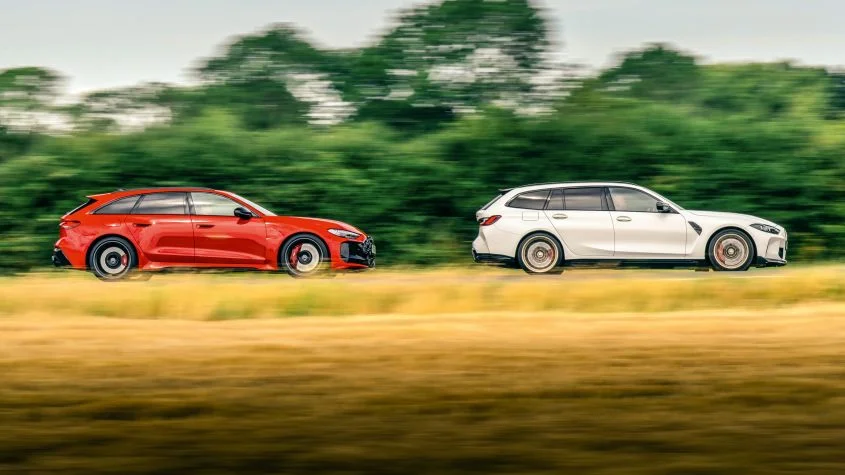
Audi's new RS5 challenges the BMW M3 Touring with more power but added weight, raising the stakes in the performance estate rivalry.
Performance and Specifications
Audi is shifting gears with the launch of the new RS5, a striking addition designed to contend with the formidable BMW M3 Touring. This marks a fresh chapter in Audi's sports car saga, one that has seen the brand grow in legendary stature, particularly in the performance segment. The RS5 flaunts a dynamic exterior characterized by pronounced arches and aggressive lines, setting a high standard within its class. These design elements not only enhance its visual appeal but also contribute to aerodynamic performance, crucial for high-speed stability. While the BMW M3 CS maintains its own formidable aesthetic—steeped in the classic M division heritage—these two vehicles exemplify fierce competition in terms of design and engineering prowess.
Powertrain Differences
Under the hoods, these vehicles take decidedly different paths. Both sport six-cylinder engines, each around 3-litres in displacement, but the delivery and technology diverge significantly. BMW remains true to tradition with a purely combustion-powered setup. This choice reinforces its commitment to the enthusiast driver, prioritizing traditional performance characteristics. In contrast, the RS5 embraces a plug-in hybrid configuration, integrating an electric motor with the gasoline engine. This innovative approach offers the ability to drive solely on electric power for short distances—ideal for city commutes or zero-emission zones. Notably, this results in a formidable output of 630bhp from the Audi, surpassing the BMW's 543bhp. But there’s a catch—weight.
Weight Considerations
The RS5's hybrid system, equipped with a sizable 25.9kWh battery pack, adds significant heft, tipping the scales at 2370kg, which is over 500kg more than the M3. That extra weight isn't just a number on a spec sheet; it can dull the driving experience, which is where the real test of performance lies. One might wonder how Audi plans to balance this potential drawback with its superior power. Insights from other hybrid models suggest that with strategic engineering, fun behind the wheel remains achievable. Manufacturers have often placed an emphasis on fine-tuning suspension systems and assisting with the weight distribution—some even integrating advanced driving modes to mitigate any adverse effects of weight. However, the fundamental question remains: can the RS5's hybrid advantages offset its bulk in a practical, everyday driving context?
Technological Innovations and Features
When comparing capable sports cars like the RS5 and M3, technology transcends simple performance metrics. Driver assistance features, infotainment systems, and materials play pivotal roles in the user experience. Audi’s Virtual Cockpit, an expansive digital display, elevates the dashboard experience, while BMW’s iDrive system offers deep customization and connectivity options. Buyers in this market segment expect more than just raw power; they're chasing an experience. The tactile feel when they grip the steering wheel, the resonance of the engine as they shift gears, and how efficiently they can connect their devices all become integral to the allure of such vehicles.
The Driving Experience
Driving dynamics between these two vehicles will likely prove to be a primary concern for enthusiasts. The M3, with its traditional setup, is expected to provide an exhilarating connection to the road, fostering the thrill associated with pure performance. Meanwhile, despite the additional weight of the RS5, it could still shine in a straight line, offering blistering acceleration thanks to its superior power output. Audi is walking a fine line; while the brand has focused on cutting-edge tech, it must not sacrifice the emotional connection that drives enthusiasts back to their first love of performance cars. (And this is the part most people overlook.) The charm that comes from a perfectly balanced vehicle isn't mere tech—it’s about feeling every nuance of the road.
Implications and Future Outlook
If you’re working in this space, understanding the implications of this rivalry is paramount. As manufacturers pivot toward electrification, the dynamic between performance and sustainability continues to evolve. Audi's foray into hybrids signifies a shift not just in its model lineup but also in consumer expectations. The success or failure of the RS5 compared to the traditional M3 could set important precedents for the sector. Will enthusiasts embrace hybrid technology as they have with naturally aspirated engines? Or will they remain loyal to the purer performance ideals of traditional combustion engines? As consumers grow more environmentally conscious, brands that adapt without losing their essence might define the future of high-performance vehicles.
Conclusion: The Rivalry Continues
For a deeper exploration of how these two titans fared in a real-world comparison, revisit evo issue 350, available both in print and online. The results of this head-to-head will reveal whether Audi's additional power compensates for its added weight, and it will also reveal broader truths about shifting consumer demands in automotive performance. Enthusiasts await the next chapter in this high-performance rivalry, eager to see if the future of speed leans toward traditional fuel or electric innovation.
If you're keen on staying updated with the latest in automotive excellence, consider subscribing for early access to upcoming issues directly at your doorstep.
Discussion
Sign in to join the discussion.