BMW’s partnership with Venna signals its entry into electric dirt bikes, though the Primo’s specifications, price and release timing remain unknown.
BMW Steps Into Electric Off-Road Riding
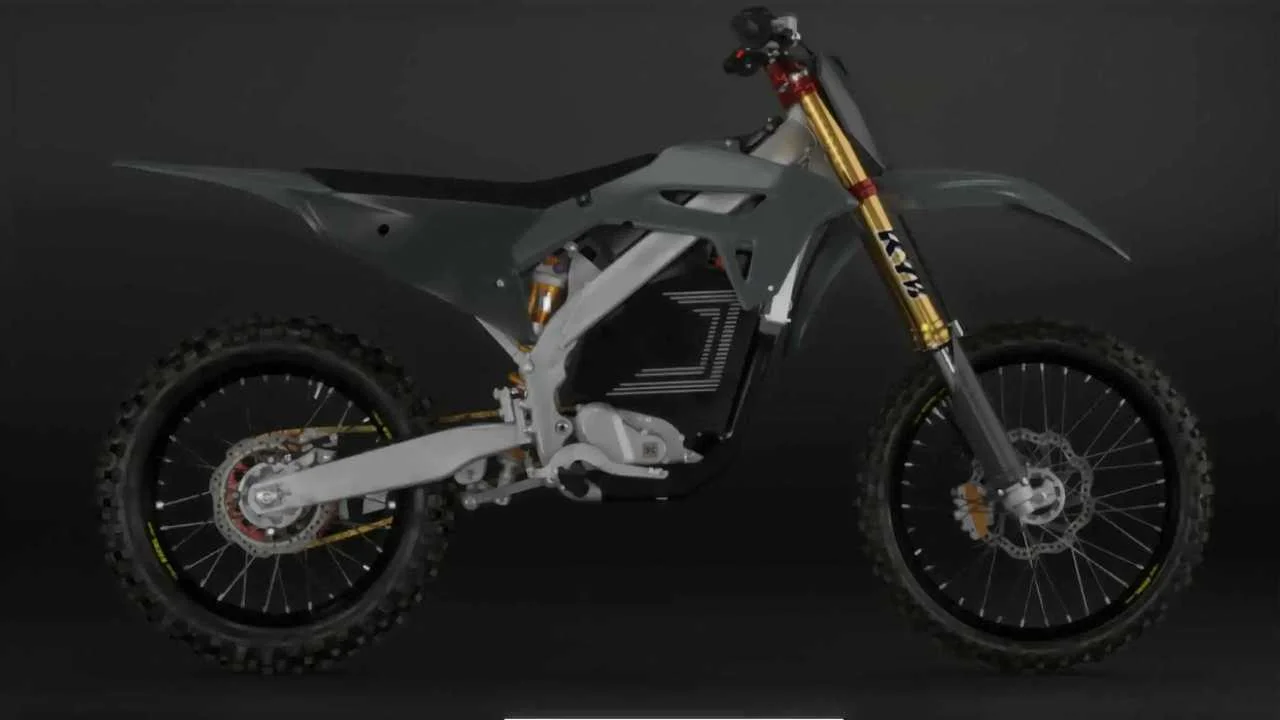
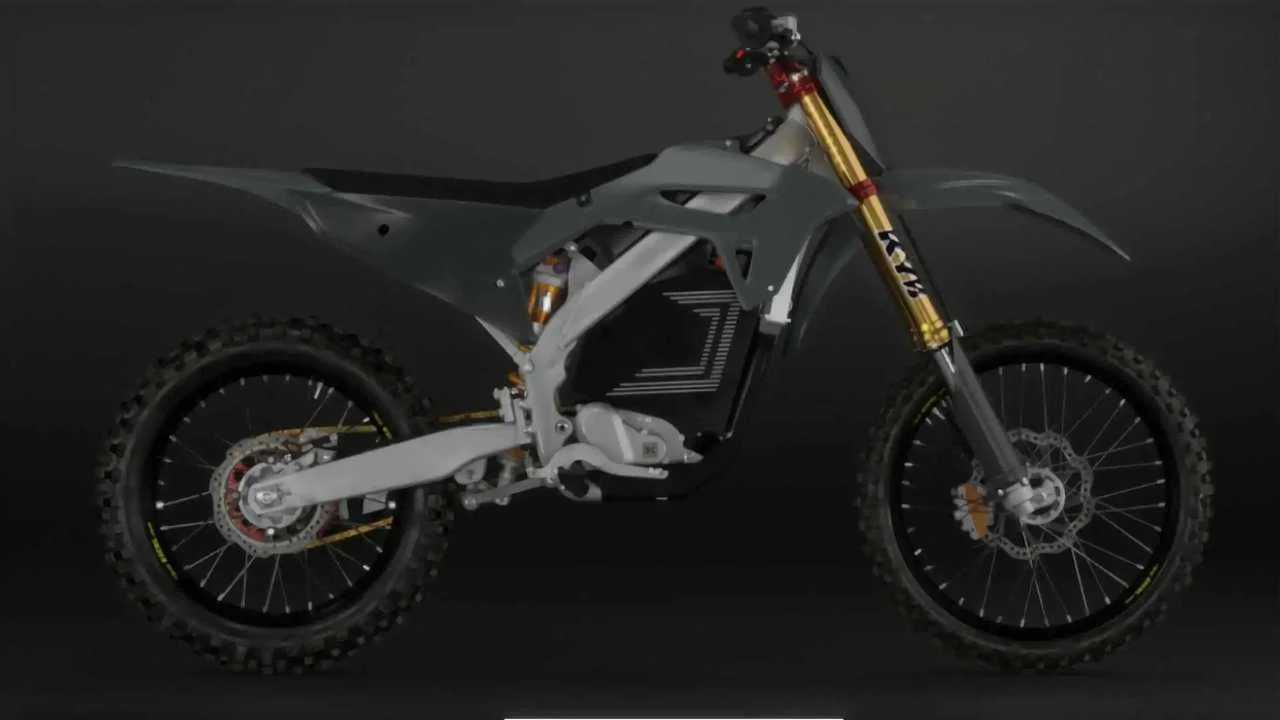
Electric dirt bikes have become one of motorcycling’s busiest niches, and BMW is making an early move into it. The company’s first sign of interest is the Flux Primo, shown here from the side. That matters: established motorcycle brands are starting to test a category that has so far drawn attention for its electric newcomers. BMW’s involvement lends the segment added industry weight, though a partnership announcement alone doesn’t establish how much of a commitment the company is making.
What this means for riders is still unclear. The available information establishes BMW’s entry into the segment, but gives no details about the Primo’s price, performance, or release plans. Those are the details that would let buyers compare the bike with existing options, and their absence makes it hard to judge whether the project is near a showroom or still taking shape. For now, the bike is a signal of intent rather than a product buyers can assess.
Electric dirt bikes are becoming a serious market
The most telling part of BMW’s move is how much the conversation around electric dirt bikes has changed. For years, many in motorcycling dismissed them as toys. The case for taking them seriously was that they could bring younger riders into the sport and give the industry a fresh source of energy. That argument looks stronger now: electric dirt bikes have become one of motorcycling’s busiest segments, and companies are rushing to join it. The shift matters because attention from established manufacturers can bring different skills and resources to a category built largely around electric-first brands.
Some are already closer to production than others. Zero Motorcycles has shown how to build an electric dirt bike, while Harley-Davidson, Yamaha and Kawasaki are also moving toward electric off-road models. BMW, a company known for its appetite for new technology, had said little about entering the category. Its announced partnership with startup Venna changes that. It puts BMW in the conversation, but it doesn’t yet show whether the company will become a direct competitor with a production model.
Here’s the thing: an announcement doesn’t tell us what BMW and Venna are actually building together. The partnership’s scope is unclear, as is any timeline for a production bike. That leaves a gap between BMW’s stated interest and a machine riders can inspect, ride, and buy. If BMW wants to compete in a market drawing this much attention, it’ll need to get a model into dealerships soon. The numbers here are underwhelming in one respect: without product details, there’s little basis for comparing BMW’s offer with the alternatives already on the market.
BMW and Venna need to move quickly
BMW Motorrad CEO Markus Flasch says the company and Venna share an interest in technical quality and a strong riding experience. He sees the partnership as a way to reach new customer groups. That language describes an ambition, not a product plan, so the practical meaning remains uncertain: BMW’s investment hasn’t been disclosed, and neither company has confirmed a joint motorcycle. But Venna has spent years developing an electric dirt bike, first under the name Flux Performance, where the project was called the Primo. That history gives the partnership a starting point in existing development work, although it doesn’t answer how close the bike is to production.
Venna will stay independent. BMW is expected to advise on industrial production and manufacturing, areas where young companies can struggle. That arrangement could help both sides, provided it leads to a bike customers can actually buy soon. Production experience can shape whether a promising prototype becomes a repeatable product, but advice alone won’t settle questions about specifications, price, availability, or how the bike will be supported.
Timing matters. Electric dirt bikes already come from Stark Future, Zero, Talaria, SurRon, Niu and KTM, while Bonnell is among the newer names nearing production. Stark Future is already in the mix, too. The market may be filling up fast, leaving riders with more choice and late arrivals with less room to stand out. That competition raises the bar: a BMW badge may draw attention, but the bike will still need a clear reason for riders to choose it.
What the partnership needs to prove
This is more significant than it looks, but the significance rests on what happens next. BMW’s manufacturing knowledge could help Venna turn development work into a bike that can be produced and sold. Yet the same partnership could remain a strategic signal if it doesn’t produce a confirmed model and a credible route to buyers. For riders, the useful next evidence will be concrete product information, not another statement of shared intent.
If you’re working in this space, the key question is whether established manufacturers can add production capability without slowing the smaller companies that have already built momentum. (And this is the part most people overlook.) A partnership can expand a project’s reach, but it also has to translate into decisions about the motorcycle itself. Details matter. Until BMW and Venna provide them, the Primo remains a promising project with an open path ahead.
Discussion
Sign in to join the discussion.